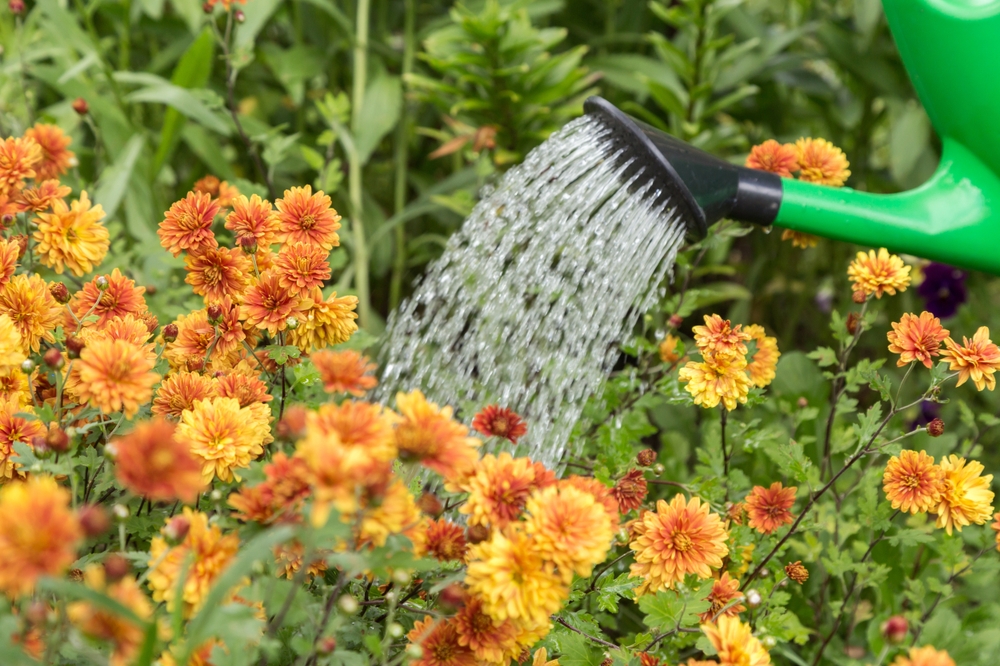
A lush garden looks beautiful, but that beauty can come with a surprising price tag. Many homeowners focus on fertilizer, mulch, and plant selection while overlooking one simple habit that quietly drains money month after month. In many cases, the culprit sits right in plain sight: improper watering.
Water costs continue to climb in many communities, and outdoor irrigation often accounts for a significant portion of household water use. A few extra minutes of watering each day might not seem like much, but those minutes can add up to hundreds of dollars over a growing season. The good news is that a few simple adjustments can keep plants healthy while helping homeowners avoid unnecessary expenses.
The Costly Habit of Watering Too Often
Many gardeners assume that more water automatically leads to healthier plants. In reality, frequent shallow watering often creates weaker root systems because roots stay near the soil surface instead of growing deeper in search of moisture. Plants then become more dependent on constant irrigation, creating a cycle that increases water consumption.
This habit often starts with good intentions. A homeowner notices hot weather, turns on the sprinkler every day, and believes the garden needs constant hydration. Unfortunately, much of that water never reaches the roots that need it most. Some evaporates, some runs off, and some simply saturates already-moist soil. The result can include higher water bills, stressed plants, and wasted resources.
Garden centers and extension services frequently recommend deep, less frequent watering for many landscape plants. Deep watering encourages roots to grow farther into the soil, where moisture remains available longer. Stronger root systems often help plants tolerate heat and dry conditions more effectively.
Lawns suffer from this issue as well. Daily watering can create shallow-rooted grass that struggles during hot weather. Ironically, homeowners often respond by watering even more, which pushes water costs even higher. The financial impact becomes substantial over an entire season. Even a modest sprinkler system running longer than necessary can use thousands of extra gallons of water each month. Those gallons eventually appear on utility bills, sometimes creating an unpleasant surprise.
Why Timing Matters More Than Most People Realize
Many people water their gardens in the middle of the day because they happen to be outside working in the yard. While convenient, midday watering often wastes a significant amount of water through evaporation. Hot temperatures and direct sunlight can cause moisture to disappear before plants benefit from it.
Early morning usually delivers better results. Cooler temperatures allow water to soak into the soil rather than evaporate quickly. Plants also gain access to moisture before the heat of the day arrives, helping them maintain healthy growth during warm weather.
Evening watering presents its own challenges. Moisture that sits on leaves overnight can create favorable conditions for certain fungal diseases. While evening irrigation may still work better than midday watering in some situations, morning watering often remains the preferred option for many gardens.
Automatic irrigation systems can make timing easier, but they require proper programming. Many homeowners set a schedule once and never revisit it. Weather conditions change throughout the season, and irrigation schedules should change as well. Small timing adjustments can create surprisingly large savings. Reducing evaporation means more water reaches plant roots, allowing gardeners to achieve better results while using less water overall.
Signs Your Garden Is Getting More Water Than It Needs
Plants often provide clues when they receive too much water. Yellowing leaves, slow growth, and constantly soggy soil can indicate overwatering. Some gardeners mistakenly interpret these symptoms as signs of drought stress and add even more water, worsening the problem.
Standing water represents another clear warning sign. After irrigation, water should soak into the soil rather than pool on the surface for extended periods. Puddles often signal that the soil has already reached its capacity or that water is being applied faster than the ground can absorb it.
Fungal problems may also appear more frequently in overly wet gardens. Diseases that thrive in damp conditions can spread rapidly when excess moisture remains around plants. This creates additional costs as homeowners purchase treatments or replace damaged plants.
Weeds frequently benefit from excessive irrigation as well. Many weed species grow aggressively in moist conditions, forcing gardeners to spend more time and money controlling unwanted growth. A simple soil check can prevent many of these issues. Digging a few inches below the surface often reveals whether moisture remains available. If the soil still feels damp, another watering session may not be necessary.
Smart Watering Strategies That Save Money
One of the most effective strategies involves watering deeply but less frequently. This approach encourages stronger roots while reducing total water usage. Many established plants perform better with this method than with daily light watering.
Mulch provides another valuable tool. A layer of organic mulch helps retain soil moisture, reduces evaporation, and moderates soil temperatures. Gardens with proper mulch often require less frequent irrigation, especially during hot summer months.
Drip irrigation systems can also improve efficiency. Unlike traditional sprinklers that spray water broadly, drip systems deliver moisture directly to plant roots. This targeted approach reduces waste and often lowers water consumption significantly.
Rain gauges and soil moisture meters help remove guesswork from watering decisions. Instead of relying on habit, gardeners can make informed choices based on actual conditions. These inexpensive tools often pay for themselves through reduced water use. Native and drought-tolerant plants offer long-term benefits as well. Once established, many of these plants require less supplemental watering than thirsty ornamental varieties. A thoughtful plant selection strategy can lead to years of lower utility bills.
The Garden That Looks Better and Costs Less
Beautiful gardens do not require endless amounts of water. In fact, many landscapes perform better when gardeners focus on watering wisely rather than watering constantly. Deep roots, healthier plants, and lower utility bills often go hand in hand.
The habit of watering too often may seem harmless, but it can quietly add hundreds of dollars to annual water costs. A few simple changes in timing, frequency, and technique can make a noticeable difference. Homeowners who pay closer attention to how they water often discover they can maintain an attractive landscape while keeping more money in their pockets.
What watering changes have helped lower your water bill or improve your garden’s health? Share your experiences and tips in the comments below.
You May Also Like…
Why Watering Consistency Matters More Than Volume
The Overwatering Issue That Weakens Root Systems
The Overwatering Problem: Why Soggy Soil Kills More Gardens Than Drought
7 Dry-Climate Selections That Thrive With Minimal Water
Stop Overwatering: The Free Finger Test That Saves Your Water Bill

Brandon Marcus is a staff writer for FrugalGardening.com at District Media, Inc., where he delivers practical gardening advice with a relatable, no-nonsense style. An avid amateur gardener, he holds a BA degree and with over ten years of professional writing experience, he is also an award-winning published author whose first book, Questions For Deep Thinkers, was released by Adams Media. His work has appeared in major publications including Fandom.com, CHUD.com, TheColdWire.com, and Fansided.com.
Leave a Reply