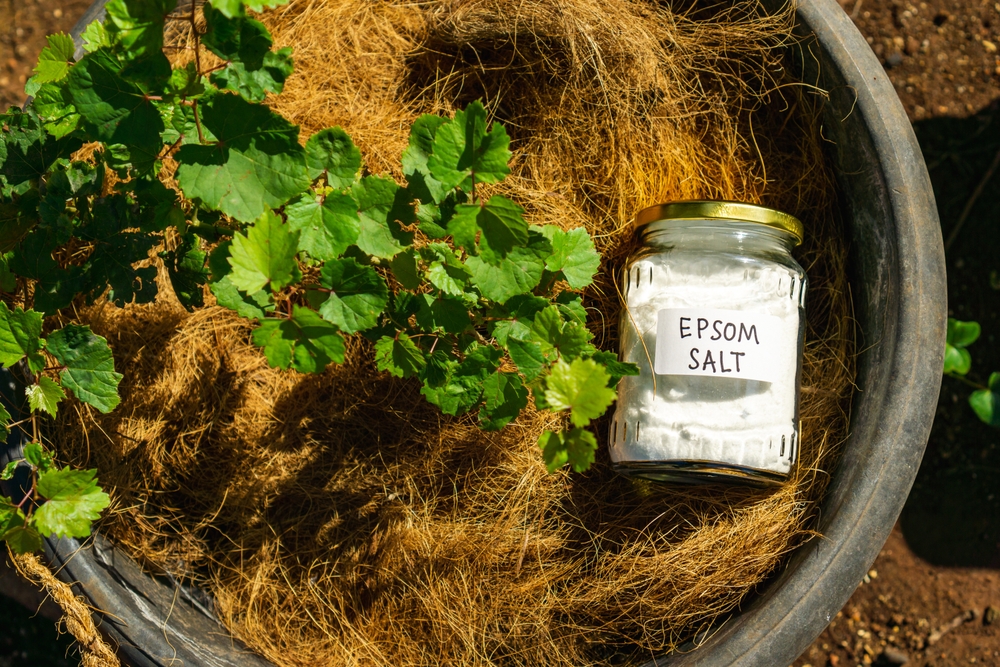
Gardeners love a good hack, but most so-called miracle fixes wilt under real-world conditions. Epsom salt, however, keeps popping up in serious gardening circles—and not just as folklore. This humble, inexpensive compound shows measurable benefits when used correctly, especially in soil that lacks key nutrients.
While it won’t magically transform every struggling plant, it absolutely earns a place in a smart gardener’s toolkit. The real trick lies in understanding when and how to use it instead of dumping it everywhere and hoping for the best.
What Epsom Salt Actually Does in the Garden
Epsom salt delivers magnesium and sulfur, two nutrients plants need for healthy growth and strong structure. Magnesium supports chlorophyll production, which directly affects how efficiently plants photosynthesize and produce energy. Sulfur plays a key role in enzyme function and helps plants develop proteins that strengthen their tissues.
Gardeners often notice greener leaves and improved vigor when magnesium-deficient plants receive a proper dose. Epsom salt works best as a targeted supplement rather than a universal fertilizer, which keeps expectations realistic and results consistent.
When Plants Truly Benefit from Epsom Salt
Not every plant craves extra magnesium, so knowing when to use Epsom salt makes all the difference. Tomatoes, peppers, and roses often show noticeable improvement because they frequently struggle with magnesium deficiencies in certain soils. Yellowing leaves with green veins—known as interveinal chlorosis—serve as a clear signal that plants need help.
Sandy or heavily leached soils also tend to lose magnesium faster, making supplementation more valuable. Applying Epsom salt in these scenarios can restore balance and give plants the boost they actually need.
How to Use Epsom Salt Without Overdoing It
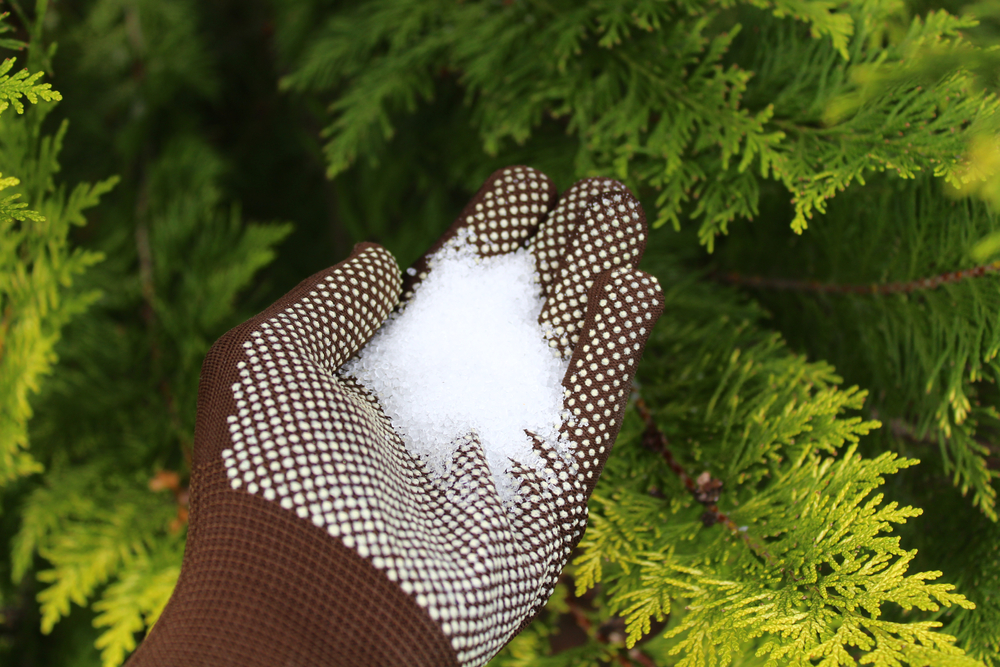
Smart gardeners treat Epsom salt like seasoning, not the main course. A common method involves dissolving one tablespoon in a gallon of water and applying it once a month during the growing season. Foliar sprays allow plants to absorb magnesium quickly through their leaves, delivering faster visible results. Soil applications work well too, especially when mixed lightly into the root zone for steady uptake. Overuse can disrupt nutrient balance, so restraint keeps plants thriving without unintended side effects.
Why Epsom Salt Isn’t a Miracle Cure
Internet gardening advice often oversells Epsom salt as a cure-all, but reality tells a more nuanced story. Plants suffering from nitrogen or potassium deficiencies won’t improve just because magnesium enters the mix. Poor watering habits, compacted soil, and pest damage also won’t magically resolve with a sprinkle of crystals. Blindly applying Epsom salt without diagnosing the real issue can waste time and even worsen imbalances. Treating it as one tool among many keeps expectations grounded and results far more reliable.
Real Results Gardeners Actually See
Gardeners who use Epsom salt strategically often report stronger blooms and better fruit production. Tomato plants, for example, can develop deeper green foliage and produce more consistent yields when magnesium levels stabilize. Roses may display more vibrant blooms and sturdier stems, which enhances both appearance and longevity.
Even houseplants can perk up when magnesium deficiencies get corrected with occasional applications. These results don’t happen overnight, but steady, informed use leads to noticeable improvements over time.
Budget Gardening: Why Epsom Salt Stands Out
Epsom salt costs just a few dollars and lasts for months, making it one of the most affordable garden supplements available. Compared to specialized fertilizers, it offers a targeted nutrient boost without draining a gardening budget. Many gardeners appreciate its versatility, as it works for vegetables, flowers, and even lawns in certain conditions.
Its accessibility also makes it easy to experiment without significant financial risk. That combination of low cost and proven benefit keeps it firmly rooted in practical gardening strategies.
Smart Use Beats Garden Myths Every Time
Epsom salt earns its reputation when used thoughtfully, not blindly. It provides real benefits for magnesium-deficient plants and can noticeably improve growth, color, and productivity. At the same time, it won’t replace balanced soil care, proper watering, or pest management. Gardeners who treat it as a precise tool rather than a miracle cure see the best results season after season. Understanding the science behind it transforms a cheap household item into a genuinely effective gardening ally.
Have Epsom salt treatments made a difference in your garden, or did the results fall flat? Share your experience in the comments.
You May Also Like…
The Yard Waste Secret: How Your Neighbors are Giving Away Free Garden Gold
The Facebook Marketplace Trick for Free High-Quality Topsoil
Spring Cleaning Your Soil: The $0 Way to Wake Up Your Garden
Forget Fancy Fertilizers: The “Compost Tea” Recipe That Costs Zero Dollars
How to Turn Kitchen Scraps Into Nutrient-Rich Fertilizer

Brandon Marcus is a staff writer for FrugalGardening.com at District Media, Inc., where he delivers practical gardening advice with a relatable, no-nonsense style. An avid amateur gardener, he holds a BA degree and with over ten years of professional writing experience, he is also an award-winning published author whose first book, Questions For Deep Thinkers, was released by Adams Media. His work has appeared in major publications including Fandom.com, CHUD.com, TheColdWire.com, and Fansided.com.
Leave a Reply