If you’ve ever walked past neatly bagged piles of leaves or branches sitting at the curb, you’ve probably seen something most people ignore… but gardeners quietly get excited about. What looks like trash is actually one of the most underrated resources in your neighorhood, and it’s often completely free. From fallen leaves to grass clippings and even small trimmings, your neighbors may be unknowingly discarding valuable organic material that can transform your soil.
This is where the idea of yard waste compost becomes a total game-changer for anyone trying to save money and grow a healthier garden. Instead of buying expensive soil amendments, you can tap into what’s already circulating in your community. Once you start seeing it, you’ll never look at curbside yard bags the same way again. Let’s break down how this “garden gold” works and how you can safely use it to your advantage.
Why Your Neighborhood Trash Is Secretly a Garden Treasure
Most people don’t realize that a large portion of household waste during spring and fall is actually organic material perfect for reuse. Leaves, grass clippings, and small branches break down into nutrient-rich matter that plants absolutely love. When handled correctly, this type of yard waste compost can improve soil structure, retain moisture, and reduce the need for chemical fertilizers. In many neighborhoods, landscaping companies even leave behind bags of clean green waste that is ideal for composting. The key is recognizing that what looks like debris is often pre-made building blocks for healthy soil.
The Science Behind Turning “Waste” into Plant Food
What makes yard waste compost so powerful is the natural decomposition process driven by microbes, fungi, and oxygen. As organic matter breaks down, it releases essential nutrients like nitrogen, potassium, and phosphorus back into the soil. This process mimics what happens in forests, where fallen leaves create rich, dark earth over time. Instead of throwing these materials away, gardeners replicate nature’s recycling system in their own backyards. The result is healthier plants, stronger root systems, and soil that gets better every season.
How to Collect Yard Waste Without Breaking Any Rules
Before you start grabbing bags off the curb, it’s important to understand local guidelines so you stay respectful and legal. Some cities allow residents to take bagged yard clippings, while others may restrict removal once it’s placed for pickup. Always check whether materials are treated or mixed with non-organic debris before using them in yard waste compost projects. If you’re unsure, asking neighbors directly is often the simplest and most transparent approach. Many homeowners are actually happy to give away extra clippings once they know someone can use them.
Turning Simple Clippings Into Rich, Usable Compost
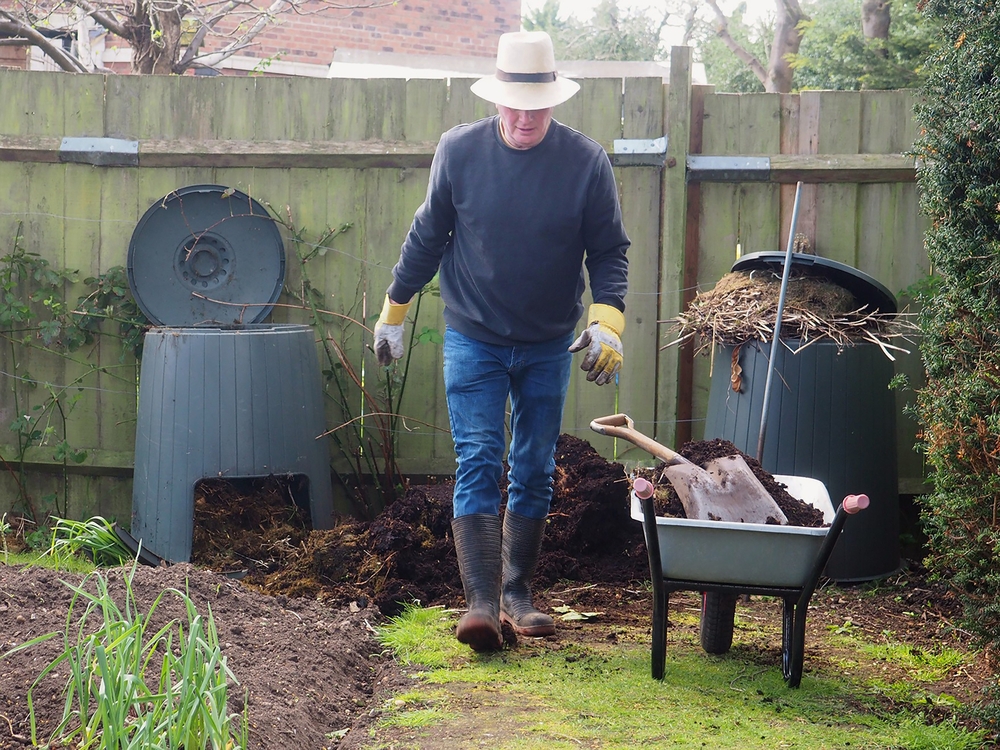
Once you’ve gathered your materials, the real transformation begins in your compost pile or bin. Layering greens like grass clippings with browns like dried leaves helps balance moisture and airflow for effective breakdown. Over time, your yard waste compost pile will heat up, signaling that microbes are actively breaking down the material. Turning the pile every couple of weeks speeds up the process and prevents foul odors from forming. Within a few months, you’ll have dark, crumbly compost that looks like store-bought soil conditioner.
How Much Money You Can Actually Save Each Year
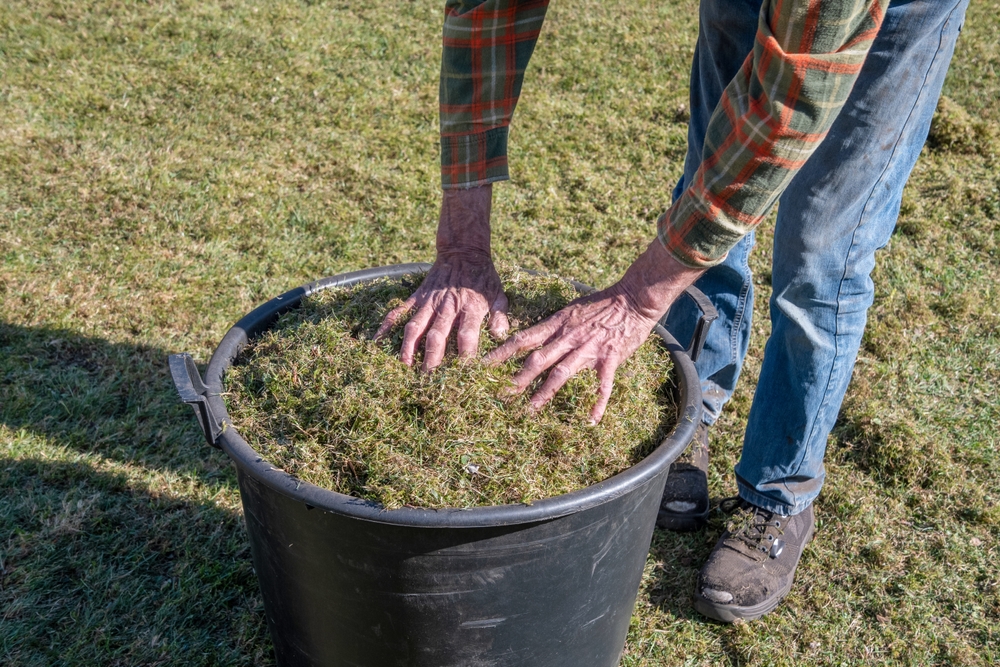
One of the biggest surprises about using yard waste compost is how quickly the savings add up over time. Gardeners often spend hundreds of dollars per year on soil, mulch, and fertilizers that can be partially replaced with compost. Even a small backyard setup can reduce landscaping costs by 30–50% depending on usage. Beyond money, you also save trips to the garden center and reduce reliance on synthetic products. Over a few seasons, those savings compound into a noticeable difference in your household budget.
Mistakes That Can Ruin Your Compost Before It Starts
Not all yard waste is safe or beneficial for composting, and mixing the wrong materials can create problems. Treated wood, diseased plants, or chemically sprayed grass should never be included in yard waste compost piles. Another common mistake is adding too much of one material, which can throw off balance and slow decomposition. Poor airflow or overwatering can also lead to unpleasant smells and unusable sludge instead of rich soil. Being selective and patient ensures your compost remains healthy and effective.
The Real Secret Behind Free Soil Most People Walk Past Every Week
The biggest takeaway is that value often shows up in the most ordinary places, including what your neighbors leave at the curb. Once you understand how yard waste compost works, you begin to see everyday waste as a resource instead of garbage. This shift in perspective can completely change how you approach gardening, budgeting, and sustainability at home. With a little effort, what was once thrown away becomes one of the most powerful tools in your garden. The real secret isn’t just compost—it’s learning to notice opportunity hiding in plain sight.
Have you ever tried turning neighborhood yard waste into compost, or would you consider starting now? Let’s talk about it below.
You May Also Like…
Forget Fancy Fertilizers: The Compost Tea Recipe That Costs Zero Dollars
How to Make Compost Tea to Improve Soil Health
8 Easy Ways to Add Organic Matter Without Buying Compost
The Cheapest Way to Build a Compost Bin
Studies Find Dangerous Bacteria in DIY Compost — Experts Urge Caution

Brandon Marcus is a staff writer for FrugalGardening.com at District Media, Inc., where he delivers practical gardening advice with a relatable, no-nonsense style. An avid amateur gardener, he holds a BA degree and with over ten years of professional writing experience, he is also an award-winning published author whose first book, Questions For Deep Thinkers, was released by Adams Media. His work has appeared in major publications including Fandom.com, CHUD.com, TheColdWire.com, and Fansided.com.
Leave a Reply