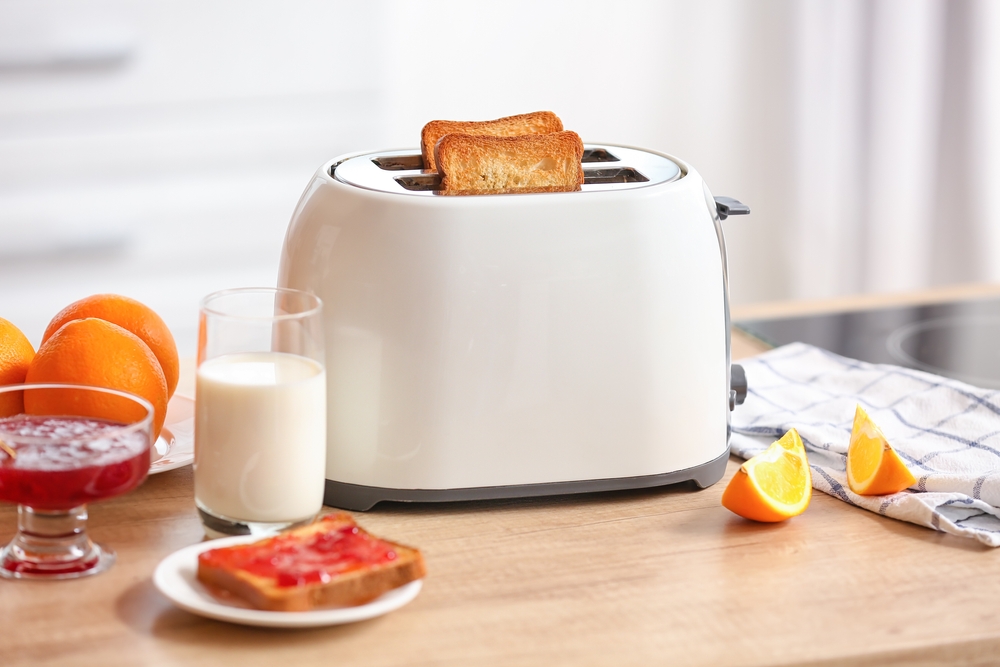
Peppers thrive on simple, clever gardening hacks that most kitchens quietly generate every single day. Those crumbs sitting in the bottom of the toaster might look like trash, but they hold surprising power for boosting plant growth. Gardeners who want bigger, juicier peppers often overlook easy, free ways to enrich their soil.
That changes today with a method that turns everyday waste into a nutrient-packed advantage. Our guide breaks down exactly how toaster scraps for peppers can transform an average harvest into something impressive.
Why Toaster Scraps Pack a Surprising Nutrient Punch
Toaster crumbs come from bread, and bread contains key nutrients like nitrogen, phosphorus, and trace minerals that plants need to grow strong. These nutrients support leafy growth early on and help fuel fruit production later in the season. When crumbs break down in soil, they act like a slow-release fertilizer that feeds pepper plants over time.
Gardeners often pay for compost or fertilizers that deliver similar benefits without realizing they already have a free option. Using toaster scraps for peppers creates a simple, cost-effective way to enrich soil without adding synthetic products.
How to Use Toaster Scraps Without Harming Your Plants
Proper use matters because dumping large amounts of crumbs directly onto plants can attract pests or create mold issues. Mixing crumbs into soil ensures even distribution and helps them break down more efficiently. A thin layer, about a handful per plant every couple of weeks, delivers nutrients without overwhelming the soil balance. Watering immediately after adding crumbs helps start the decomposition process and prevents crumbs from sitting exposed. This approach allows toaster scraps for peppers to work as a steady, safe soil booster instead of a potential problem.
The Science Behind Bigger, Healthier Peppers
Pepper plants need consistent feeding to produce large, vibrant fruit, and uneven nutrition often leads to stunted growth. Organic matter like bread crumbs improves soil structure, allowing roots to spread more easily and absorb nutrients efficiently. Healthy soil also retains moisture better, which reduces stress during hot weather and supports continuous fruit development.
Gardeners who improve soil health often notice thicker stems, darker leaves, and more blossoms forming over time. These benefits show exactly why toaster scraps for peppers can directly influence both plant size and yield.
Common Mistakes That Can Ruin the Results
Adding flavored or heavily processed crumbs can introduce salt, oils, or additives that harm plant health over time. Sticking with plain bread crumbs keeps the soil environment stable and safe for growth. Overfeeding also causes problems, since too many crumbs can compact soil or encourage unwanted pests.
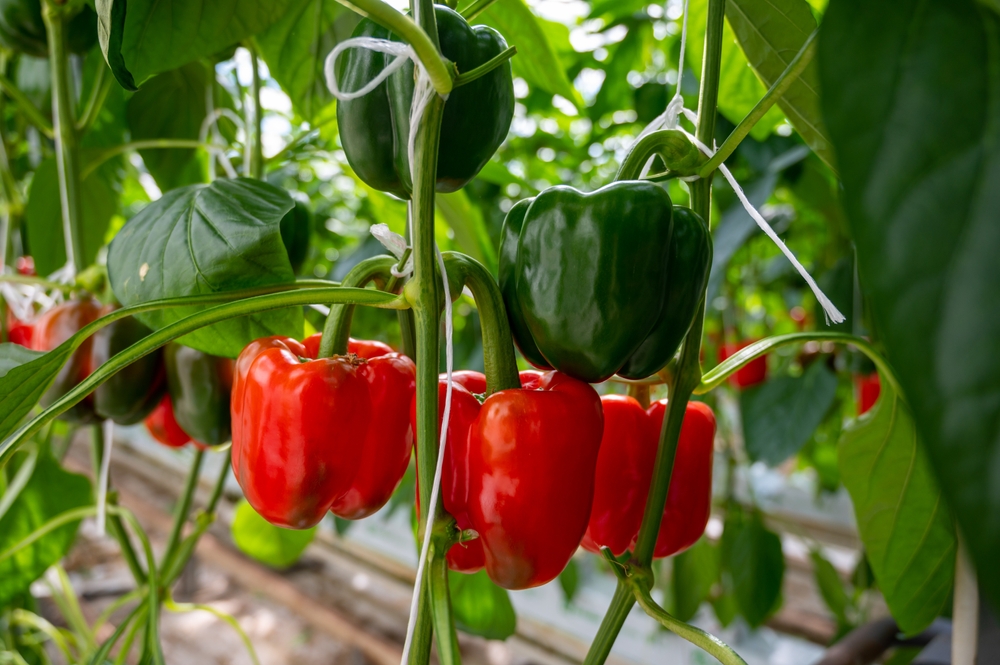
Ignoring balance often leads to slower growth instead of the giant peppers gardeners expect. Smart gardeners use toaster scraps for peppers in moderation and combine them with other organic practices like composting or mulching.
Pairing Toaster Scraps with Other Garden Hacks
Combining crumbs with kitchen compost creates a more complete nutrient profile that supports peppers throughout their growth cycle. Eggshells add calcium, which helps prevent blossom end rot, a common issue in pepper plants. Coffee grounds contribute nitrogen and improve soil texture when used in small amounts. Rotating these additions keeps soil rich and balanced without relying on expensive fertilizers. This layered approach turns toaster scraps for peppers into part of a powerful, budget-friendly gardening system.
Turning Everyday Waste into Garden Gold
Big, colorful peppers do not require complicated techniques or expensive products when simple habits deliver real results. Toaster crumbs offer an easy entry point into smarter, more sustainable gardening that anyone can try. Consistency matters more than perfection, and small additions over time lead to noticeable improvements in plant health and harvest size.
Gardeners who embrace practical, low-cost methods often see better outcomes than those chasing quick fixes. Using toaster scraps for peppers proves that the path to a thriving garden often starts with what already sits in the kitchen.
What other kitchen scraps have delivered surprising results in your garden? We want to hear your stories in the comments below.
You May Also Like…
The Eggshell Secret: How One Kitchen Staple Saves You $50 in Pesticides
The Orchard Hack: How to Grow Fruit Trees from Grocery Store Scraps
The Rain Barrel Revolution: Stop Paying for Garden Water This Summer
The Tool-Share Strategy: How to Get Luxury Garden Tools for Free

Brandon Marcus is a staff writer for FrugalGardening.com at District Media, Inc., where he delivers practical gardening advice with a relatable, no-nonsense style. An avid amateur gardener, he holds a BA degree and with over ten years of professional writing experience, he is also an award-winning published author whose first book, Questions For Deep Thinkers, was released by Adams Media. His work has appeared in major publications including Fandom.com, CHUD.com, TheColdWire.com, and Fansided.com.
Leave a Reply