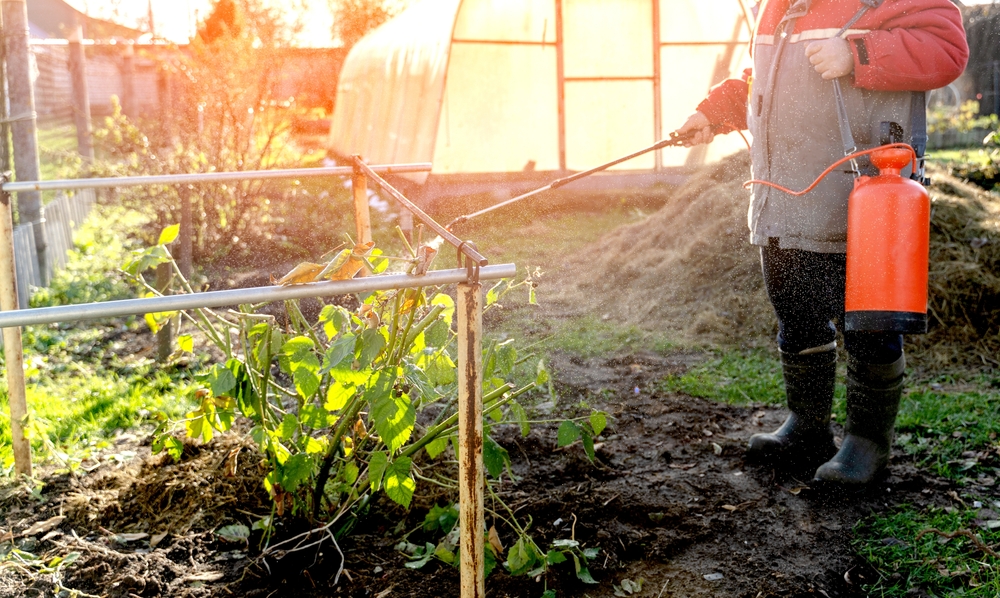
You’ve probably seen the recipe circulating online: Mix vinegar, salt, and dish soap in a spray bottle, apply it to stubborn weeds, and watch them disappear. It sounds like the perfect solution for gardeners who want to save money and avoid expensive commercial weed killers. But what if that inexpensive homemade mixture is actually creating a bigger problem in your yard?
Homemade weed killer recipes have become popular because they use familiar household ingredients and promise quick results. Unfortunately, the fact that something comes from your kitchen doesn’t automatically make it safe for your lawn, garden soil, or surrounding plants.
Horticulture specialists warn that certain homemade weed-control mixtures can damage desirable vegetation, interfere with soil health, and fail to eliminate established weeds permanently. Before spraying another batch across your driveway or flower beds, here’s what you should understand about the hidden risks.
Vinegar Can Burn Plants Without Killing Their Roots
Vinegar is one of the most common ingredients in homemade weed killer recipes, and it can cause visible damage to certain weeds. According to the University of Maryland Extension, acetic acid works primarily as a contact herbicide, injuring the plant tissue it touches rather than traveling throughout the root system. That means a dandelion may appear dead after its leaves turn brown, only to return because its roots remain alive underground. Household vinegar typically contains approximately 5% acetic acid, making it considerably weaker than many commercial horticultural vinegar products. For gardeners dealing with established perennial weeds, repeatedly spraying vinegar may provide temporary cosmetic improvement without solving the underlying problem.
Adding Salt Can Create Long-Term Soil Problems
The salt added to many homemade weed killer recipes can cause problems that extend beyond the weeds you’re trying to eliminate. Penn State Extension warns that sodium chloride interferes with plants’ ability to absorb water and can damage surrounding vegetation. Unlike vinegar, which generally breaks down relatively quickly, excess salt can remain in the soil and make future planting difficult. Imagine spraying a weedy flower bed throughout the summer, then discovering that newly planted perennials struggle to grow in the same location the following spring. Salt can also move with water into neighboring planting areas, potentially damaging lawns, shrubs, and other plants you never intended to treat.
Dish Soap Isn’t Necessarily Harmless to Your Garden
Dishwashing liquid is often included in homemade weed-control recipes because it helps the mixture spread across and cling to leaves. However, household detergents are formulated for cleaning dishes, not for protecting plants or maintaining healthy soil. Homemade pesticide remedies may damage plants, harm beneficial organisms, or create other unintended consequences. A mixture containing detergent can also injure nearby flowers or vegetables if the spray drifts away from the intended weeds. Products specifically formulated and labeled for horticultural use offer clearer instructions about appropriate concentrations, application methods, and safety precautions.
Your Grass and Flowers Can Become Accidental Victims
One major limitation of vinegar-based homemade weed killer is that it generally doesn’t distinguish between unwanted weeds and desirable plants. The Oregon State University Extension Service explains that herbicidal vinegar is nonselective and can injure grass and other vegetation exposed to overspray. For example, spraying dandelions in the middle of an otherwise healthy lawn may leave brown patches where the surrounding grass was damaged. Wind, uneven application, and accidental splashing can make controlling the spray more difficult than gardeners expect. Using a targeted weed-removal tool or choosing a properly labeled selective herbicide, when appropriate, may help protect valuable landscaping.
Stronger Vinegar Can Be Dangerous to Handle
Some gardeners discover that ordinary household vinegar doesn’t provide the results they want and decide to purchase concentrated horticultural vinegar instead. However, the stronger product can present significant safety hazards because it contains much higher concentrations of acetic acid. Oregon State University Extension explains that horticultural vinegar commonly contains 20% acetic acid, compared with approximately 5% in household vinegar. These concentrated products can cause skin irritation and serious eye injuries, making protective equipment and careful handling essential. Never assume a product is harmless simply because its main ingredient also appears in salad dressing or household cleaning supplies.
A Quick Fix Can Turn Into an Expensive Gardening Mistake
The biggest financial problem with homemade weed killer isn’t necessarily the price of the vinegar, salt, or dish soap. It’s the possibility of damaging healthy plants, creating poor growing conditions, or spending additional money on treatments that don’t provide lasting results. Consider a gardener who repeatedly sprays weeds around an established shrub, accidentally damages its foliage, and eventually needs to replace a plant that took years to mature. Even without permanent damage, recurring weed growth means purchasing more ingredients and spending additional time applying treatments. Contact herbicides often require repeated applications, especially against larger or perennial weeds.
Better Ways to Control Weeds Without Damaging Your Yard
Fortunately, controlling unwanted plants doesn’t have to involve expensive chemicals or questionable household mixtures. Hand-pulling weeds when the soil is moist can make removing roots easier, particularly when dealing with young plants before they produce seeds. Applying an appropriate layer of mulch can also suppress weed germination while helping conserve soil moisture and improve the appearance of planting beds. A mulch layer of approximately three to four inches is recommended for suppressing many weeds, although the appropriate depth depends on the material and planting conditions. For persistent infestations, identify the weed and consult your local Cooperative Extension Service about effective mechanical, cultural, or appropriately labeled chemical controls.
When a Commercial Weed Killer May Be the Better Choice
Avoiding homemade mixtures doesn’t mean every gardener needs to rely on conventional chemical herbicides. Commercially formulated products include several categories, such as organic contact herbicides, selective lawn herbicides, and systemic treatments designed for particular weed problems. Different herbicides work in different ways, making proper identification and product selection important. Some products target young annual weeds, while others are better suited for established perennial plants with extensive root systems. When using any herbicide, follow its label, check local restrictions, and consider nonchemical approaches first when they can effectively solve the problem.
The Cheapest Weed Killer Isn’t Always the Smartest
A homemade weed killer may seem like a money-saving shortcut, but the potential damage to soil, lawns, and valuable plants can outweigh the initial savings. Vinegar can burn foliage without destroying roots, salt can interfere with future plant growth, and household detergents may cause unintended damage. Concentrated vinegar products also carry safety risks that shouldn’t be underestimated simply because they’re marketed as natural alternatives. Instead of relying on viral recipes, identify your weeds, choose the least disruptive effective control method, and protect the plants you actually want to keep. Spending a little more time choosing the right approach today could save you from costly landscaping repairs tomorrow.
Have you ever tried a homemade weed killer using vinegar, salt, or dish soap? Did it work as expected, or did you notice damage to your lawn or garden afterward? Share your experience in the comments.
What to Read Next
How to Prevent Weeds From Taking Over Fall Garden Beds
6 End-of-Summer Weeds You May Want to Identify Before Pulling
That “Weed” in Your Yard Could Leave You With Painful Blisters
Leave a Reply