March arrives with that crisp hint of spring, teasing longer days and the smell of soil waiting to be turned. Gardens don’t grow themselves, and spring prep can make or break the season. Every garden enthusiast knows that planting early, planning wisely, and spending smart are the trifecta of success. This month sets the tone for everything that will bloom, sprout, and bear fruit over the coming months. Moving decisively now can transform a patch of dirt into a thriving oasis without blowing the budget.
It isn’t just about tossing seeds into soil and hoping for rain. Smart gardening in March involves strategic planning, thoughtful investment in tools and materials, and a touch of creativity that stretches every dollar. From seed starting indoors to mapping out garden beds for maximum yield, every decision now compounds into results later.
1. Start Seeds Indoors for Maximum Payoff
Indoor seed starting is one of the most budget-friendly ways to multiply plants without buying expensive starters from garden centers. It allows control over temperature, light, and moisture, giving seedlings the best chance to thrive before facing unpredictable outdoor conditions. Clear containers, old yogurt cups, or recycled egg cartons make perfect makeshift seed trays, and a sunny windowsill or inexpensive grow light provides the necessary energy for strong stems. Using high-quality potting mix improves germination rates and prevents damping-off disease, ensuring fewer wasted seeds.
Timing is key. Early March gives cold-hardy vegetables like kale, lettuce, and broccoli a head start. Herbs such as basil or cilantro benefit from indoor cultivation where frost won’t touch them. Tracking seed packets for planting dates ensures no crop is left behind or started too late, which can throw off the garden schedule. Even a small indoor tray of seedlings can lead to dozens of plants ready to transplant when the soil finally warms. The sense of accomplishment from sprouting your own seedlings makes the extra care worth every minute.
Starting seeds indoors also allows experimentation. Trying heirloom varieties or unusual vegetables doesn’t risk buying large quantities that may fail outdoors. Every successful plant started from seed saves money, avoids unnecessary trips to garden centers, and builds confidence in gardening skills. By turning containers and corners of the house into a mini greenhouse, the season begins with energy, promise, and smart spending.
2. Clean and Prep Tools Before They Cost More
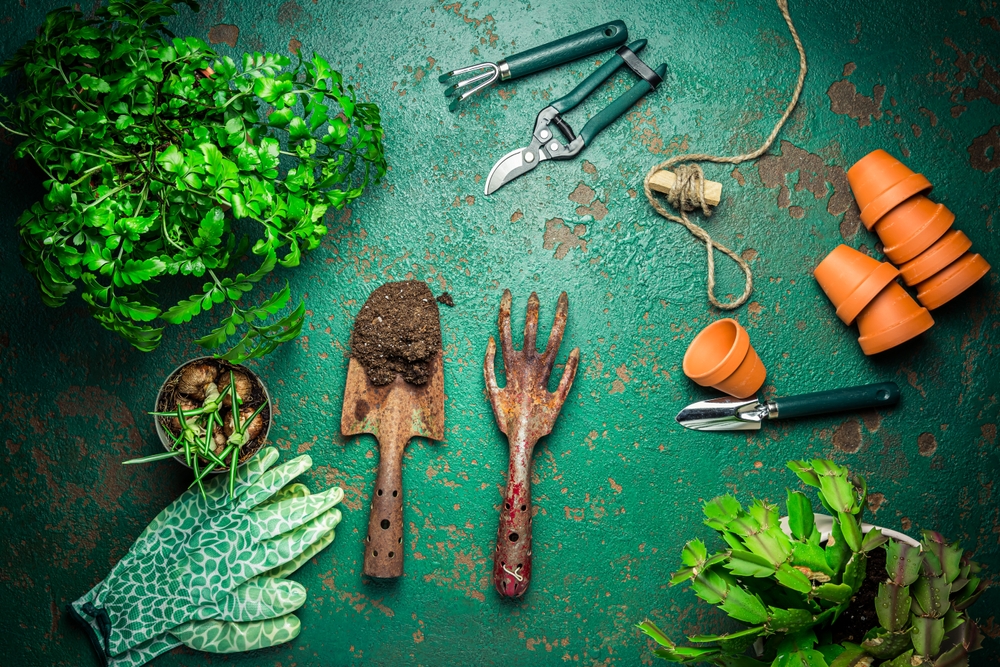
A neglected trowel, rusted pruner, or clogged watering can doesn’t just slow work—it can lead to injuries and force expensive replacements. March is the perfect month to inspect and clean every tool before the planting frenzy begins. Soaking, scrubbing, sharpening, and oiling extends their life and makes working in the soil far more efficient. Even inexpensive tools perform like high-end models when maintained properly.
Proper tool care prevents frustration and wasted money on replacements. Organizing tools in a dedicated shed or container ensures easy access, which encourages regular use. A tidy workspace reduces the likelihood of misplacing essential items or buying duplicates unnecessarily. This simple step adds up: a well-prepared gardener works faster, plants healthier crops, and maximizes time outdoors without overspending. Think of it as an investment in productivity rather than a chore, turning routine maintenance into a season-long advantage.
3. Mulch Smartly to Conserve and Protect
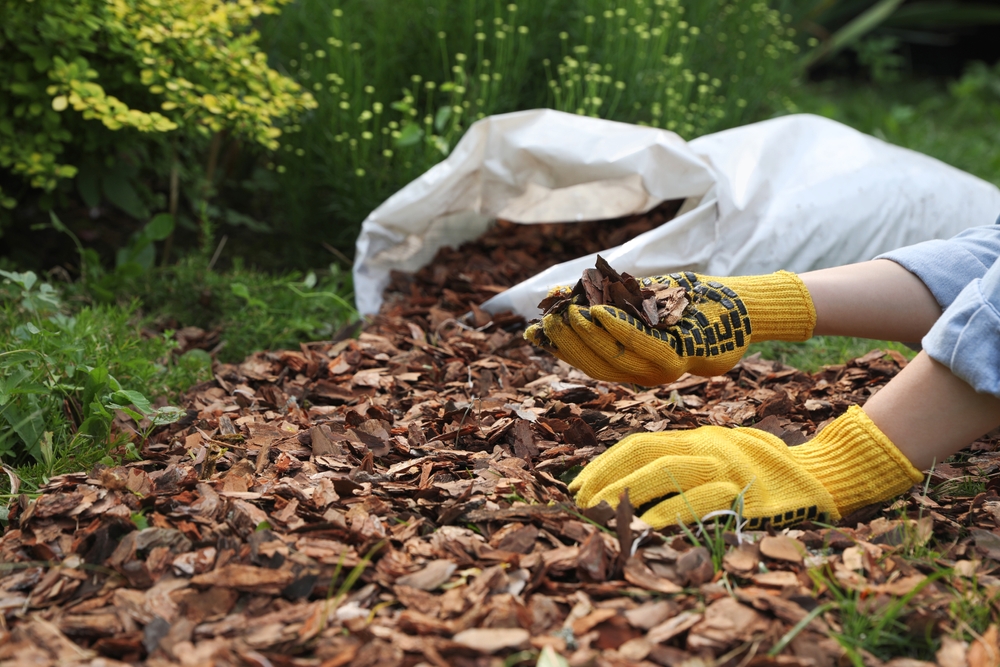
Mulching isn’t just aesthetic—it’s a practical, money-saving technique that preserves soil moisture, regulates temperature, and suppresses weeds. March allows early application before weeds establish, giving plants an easier start. Budget-conscious gardeners can use shredded leaves, straw, grass clippings, or even cardboard as mulch. Each option provides insulation against late frosts while preventing unnecessary water loss and limiting chemical weed control costs.
Layering mulch correctly protects delicate roots and keeps soil temperatures stable, promoting faster growth. It also enriches soil as organic materials break down, reducing the need for fertilizers later. Observing how different plants respond to mulching provides insight for future seasons and allows experimentation without overspending. Strategic mulching transforms garden beds into efficient, low-maintenance, and productive zones that support health and growth.
4. Plan Crops for Maximum Yield
March is ideal for mapping out planting schedules and determining which crops occupy each space for the season. Companion planting, crop rotation, and intercropping all improve yields while reducing pest and disease problems naturally. Choosing plants suited to your climate avoids wasting seeds and fertilizers on varieties that struggle. Sketching the garden on paper, marking sun exposure, and considering soil type optimizes every square foot.
Budget-friendly planning avoids overcrowding, which can stunt growth and necessitate costly interventions. Planning also allows staggering harvests so fresh produce comes steadily rather than all at once, preventing waste. Observing sunlight patterns and soil drainage early ensures each plant has the best environment. A well-considered garden map saves money, effort, and disappointment while making the most of limited space.
5. Compost: Turn Scraps into Gold
Composting in March harnesses leftover kitchen scraps and yard waste into nutrient-rich soil amendments. Simple bins or even a corner of the yard suffice for small-scale composting. Fruit and vegetable peelings, coffee grounds, grass clippings, and shredded newspaper balance carbon and nitrogen to produce fertile soil. Composting reduces the need for store-bought fertilizers, improves soil texture, and retains moisture.
Regularly turning compost accelerates decomposition and encourages beneficial microbes. Adding finished compost to garden beds provides slow-release nutrients that strengthen plant health. Even a modest bin produces enough to support multiple beds through the season. Composting teaches resourcefulness, reduces waste, and ensures every dollar spent on soil supplements stretches further.
6. Repurpose Containers for Creative Planting
Budget-conscious gardeners can expand planting space without expensive pots or raised beds by repurposing containers. Old buckets, crates, tubs, and even broken appliances can be transformed into functional planters with proper drainage. Painting or decorating adds charm, while large containers can accommodate root vegetables, tomatoes, or herbs.
Repurposing containers extends the gardening season because movable planters can be shifted for optimal sun exposure or sheltered during unexpected frosts. Using unconventional containers also introduces creative problem-solving and adds a personal touch to garden aesthetics. Every repurposed container reduces unnecessary purchases while increasing planting capacity, proving that resourcefulness and imagination are essential tools in every garden.
7. Monitor Weather and Soil Closely
March weather fluctuates wildly, and gardeners who observe soil temperature and frost risk carefully avoid planting setbacks. Soil thermometers and simple frost covers prevent lost seedlings and protect perennials. Checking weather forecasts daily informs watering, fertilizing, and transplant timing. Understanding soil moisture levels avoids overwatering, which can rot roots, and prevents wasting water resources.
Early vigilance creates consistency and helps schedule follow-up tasks like pruning, thinning, or applying mulch. Combining observation with seasonal knowledge ensures every seed and plant has the highest chance of thriving. Attentive monitoring turns unpredictability into opportunity, reducing costly mistakes and helping each dollar invested in seeds, soil, and compost achieve maximum return.
March Moves That Pay Off All Season
Smart March gardening moves set the stage for a productive, budget-conscious season. Seed starting, tool prep, mulching, careful planning, composting, creative containers, and weather observation all compound into healthier plants and higher yields. Each step requires thought and care, but the payoff lasts throughout the season and beyond. Strategic preparation turns small efforts into impressive results, proving that savvy gardening is as much about planning as it is about planting.
Which tip sparks the most ideas for your garden this season? Which strategy could save money or increase yields if implemented right now? Share stories, insights, or creative solutions in the comments.
You May Also Like…
March Lawn Care Mistakes That Cost Money
March Garden Pests That Hide Underground
How to Protect Plants From Strong March Winds
Budget-Friendly Crops to Plant in March (Depending on Your Zone)
March Fungal Diseases to Watch For

Brandon Marcus is a staff writer for FrugalGardening.com at District Media, Inc., where he delivers practical gardening advice with a relatable, no-nonsense style. An avid amateur gardener, he holds a BA degree and with over ten years of professional writing experience, he is also an award-winning published author whose first book, Questions For Deep Thinkers, was released by Adams Media. His work has appeared in major publications including Fandom.com, CHUD.com, TheColdWire.com, and Fansided.com.
Leave a Reply