
Gardens can feel like peaceful havens, full of color, fragrance, and life—but lurking beneath the surface, a stealthy enemy waits. These seemingly harmless plants creep in quietly, sprouting between your flowers, strangling your prized vegetables, and turning your neat garden beds into chaotic jungles. Unlike the obvious troublemakers, these sneaky weeds often look innocent at first glance, almost blending in with your plants.
By the time you notice them, their roots are sprawling, their leaves are thickening, and your plants are gasping for sunlight. Understanding which weeds are the silent invaders can save your garden before it’s too late.
1. Creeping Charlie
Creeping Charlie is a low-growing weed with round, scalloped leaves that can fool even experienced gardeners. Its bright green stems spread quickly across lawns and flower beds, forming thick mats that choke out other plants. It thrives in shady, moist conditions, making it perfect for hidden corners of your garden. If ignored, it can be nearly impossible to eradicate because it regenerates from even tiny root fragments. Vigilant weeding and proper mulching are essential to keep this sneaky invader at bay.
2. Bindweed
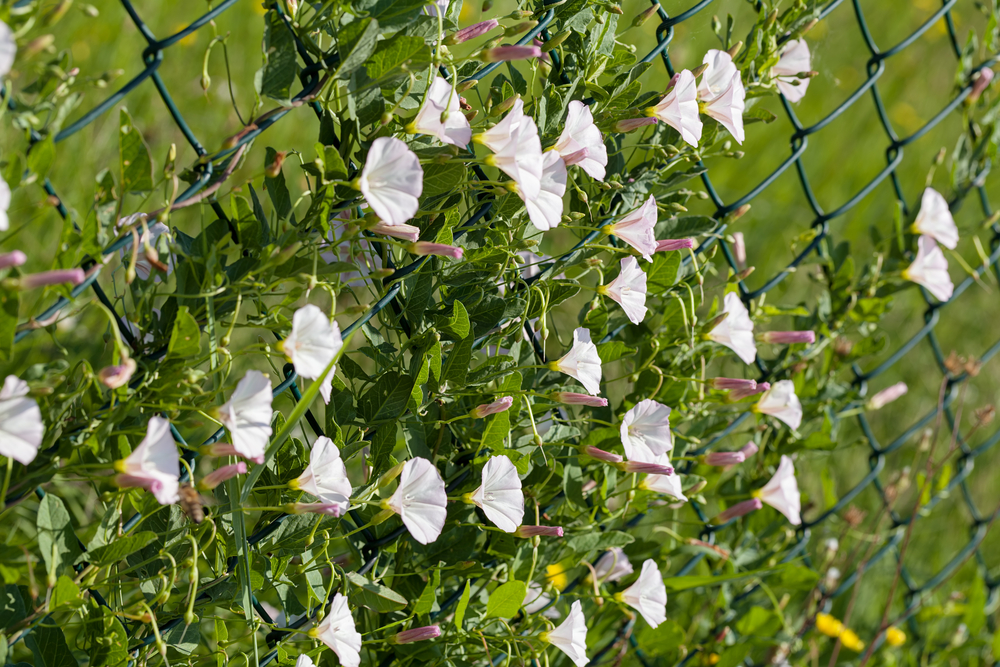
Bindweed may start as a delicate-looking vine with small white or pink trumpet-shaped flowers. But beneath that innocent facade, it wraps tightly around other plants, suffocating them. Its roots are extensive and deeply embedded, meaning pulling above-ground vines won’t stop it. Bindweed spreads rapidly and can invade vegetable beds, strangling crops in mere weeks. Persistent control and monitoring are crucial because this weed is as stubborn as it is beautiful.
3. Purslane
Purslane often appears as a small, succulent ground cover with shiny green leaves that look almost edible. While it’s technically nutritious for humans, in garden beds it becomes an aggressive competitor. Its sprawling stems root wherever they touch soil, forming dense mats that smother flowers and vegetables. This sun-loving weed thrives in hot, dry conditions, making it a nightmare during summer months. Quick removal and maintaining soil health help prevent its rampant spread.
4. Quackgrass
Quackgrass looks like an ordinary grass at first, blending seamlessly with lawns or the edges of your beds. Its sneaky underground rhizomes spread relentlessly, popping up in places you thought were weed-free. Once established, quackgrass outcompetes your flowers and vegetables for nutrients and water. Hand-pulling is ineffective unless you remove every piece of root, which can be a frustrating process. Using barriers or targeted herbicides is often necessary to reclaim infested areas.
5. Dandelion
Dandelions are probably the most familiar “innocent” weeds, with cheerful yellow flowers that mask their destructive nature. Their long taproots dig deep, extracting nutrients and making eradication difficult. When left unchecked, they produce hundreds of seeds that spread by wind, taking over entire beds. Despite their appearance, they’re voracious competitors for water, sunlight, and space. Removing them early and regularly is essential to maintain healthy plants.
6. Creeping Jenny
Creeping Jenny is a low-lying plant with bright, coin-shaped leaves that often tempt gardeners to let it grow. While it can be decorative in some settings, it’s a prolific spreader that invades flower beds and borders. Its fast-growing stems root wherever they touch soil, creating thick carpets that block out light. Gardeners who underestimate its speed quickly find it dominating beds meant for other plants. Containment through barriers and careful pruning is critical.
7. Nutsedge
Nutsedge might look like a harmless grass at first glance, but it’s one of the fastest-spreading weeds around. It grows from underground tubers called nutlets, which means even small missed fragments can generate new plants. It thrives in damp soil, making it especially troublesome near vegetable gardens or ornamental beds. Regular weeding and soil management are necessary to keep this green invader under control. If left unchecked, nutsedge can completely overrun a garden in a single season.
8. Chickweed
Chickweed seems innocent, with tiny white flowers and low-growing stems that could be mistaken for ground cover. But this sneaky weed spreads quickly, forming dense mats that smother young seedlings. It thrives in cool, moist conditions, often appearing in early spring when gardens are just waking up. Chickweed’s ability to self-seed makes it extremely persistent and difficult to remove completely. Vigilant observation and prompt removal are your best defenses.
9. Oxalis
Oxalis, also called wood sorrel, sports clover-like leaves and dainty flowers, making it look harmless. However, it grows from underground bulbs that allow it to return year after year. Its fast-spreading habit can overtake flower beds, outcompeting perennials and annuals alike. Even when pulled, any leftover bulb can regenerate a new plant, making eradication tricky. Mulching and repeated removal help keep this visually charming but aggressive weed under control.
10. Ground Ivy
Ground ivy is a creeping perennial that often masquerades as a harmless ground cover. Its small, rounded leaves and purple flowers can easily be mistaken for a decorative plant. But it grows rapidly, forming dense mats that choke out everything in its path. Sunlight deprivation caused by its dense growth weakens other plants, allowing the ivy to dominate. Persistent control and careful monitoring are key to stopping its spread.
11. Horsetail
Horsetail is a primitive-looking weed with segmented green stems, often mistaken for ornamental grass. Its roots contain silica, making them extremely tough and resistant to removal. This invasive plant thrives in wet or poorly drained areas and can quickly overwhelm garden beds. It spreads both by spores and underground rhizomes, making containment a challenge. Regular weeding, soil drainage improvements, and even specialized herbicides are often necessary to keep horsetail in check.
Keep Your Beds Safe From Sneaky Invaders
Gardens may look serene, but sneaky weeds are always plotting their takeover. Knowing the disguises these 11 plants wear can save your beds from total chaos. Vigilance, proper soil management, and timely removal are your best weapons in this leafy battle. Every garden deserves careful attention, because even the smallest weed can spiral into a major problem.
We’d love to hear your experiences with these sneaky invaders in the comments section below.
You May Also Like…
5 Weeds That Look Harmless but Can Ruin an Entire Garden Bed
7 Insidious Weeds That Will Take Over Your Garden if You Ignore Them
9 Edible Weeds That Pop Up in September
10 Garden Tasks That Prevent Spring Weeds
5 Fall Weeds You Should Pull Immediately

Brandon Marcus is a staff writer for FrugalGardening.com at District Media, Inc., where he delivers practical gardening advice with a relatable, no-nonsense style. An avid amateur gardener, he holds a BA degree and with over ten years of professional writing experience, he is also an award-winning published author whose first book, Questions For Deep Thinkers, was released by Adams Media. His work has appeared in major publications including Fandom.com, CHUD.com, TheColdWire.com, and Fansided.com.
Leave a Reply