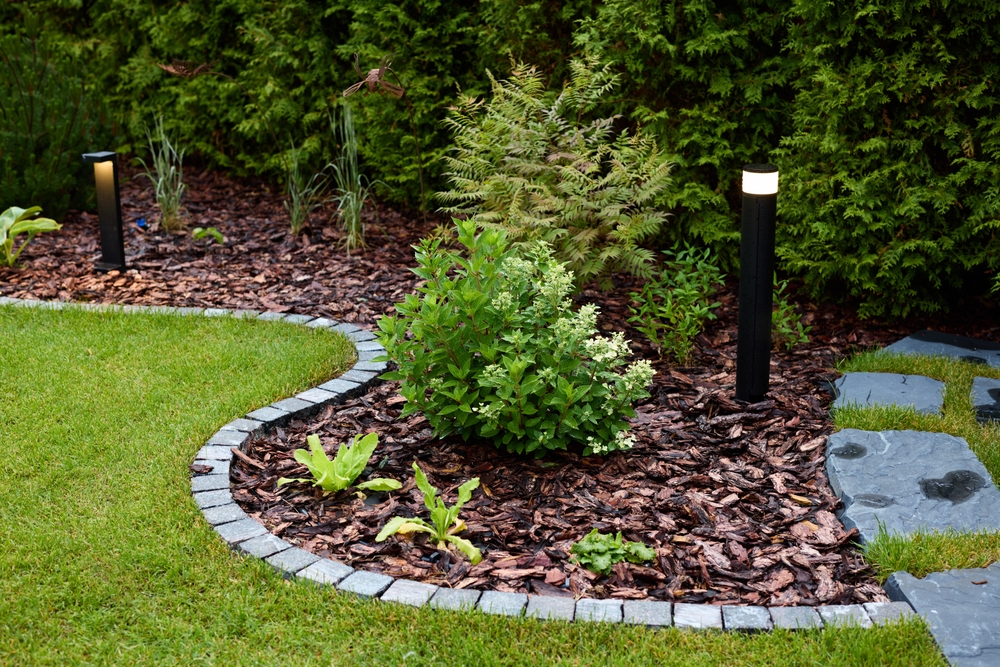
A front yard doesn’t whisper first impressions—it shouts them. Crisp edges, thoughtful details, and a sense of intention instantly tell a story about the space, and garden borders sit right at the center of that narrative. Skip them, and everything blends into a messy blur. Add them, and suddenly the yard looks sharper, cleaner, and far more inviting without a full renovation.
A stunning garden border doesn’t demand a huge budget or a professional crew. A handful of creative choices can transform plain soil into something that feels curated and complete. Smart materials, a bit of planning, and a willingness to experiment can turn even the simplest yard into something eye-catching.
1. Brick It Like You Mean It
Brick borders bring instant charm, and they never fall out of style. They create a strong visual line that separates lawn from garden while adding a classic, almost storybook feel. Arrange bricks flat for a clean, modern edge, or tilt them diagonally for a zigzag pattern that grabs attention right away. Both options look intentional and polished, and neither requires expensive tools or complicated skills.
A smart approach involves sourcing reclaimed bricks, which often cost less and add a weathered character that new materials can’t replicate. Salvage yards, local listings, and renovation leftovers often hide great finds at a fraction of retail prices. Lay the bricks on a compacted sand base to keep everything stable and level, and take time to align them carefully for that crisp finish. This extra effort pays off with a border that looks professionally installed.
Brick borders also hold up beautifully over time, even through changing weather and foot traffic. They resist shifting better than lighter materials and maintain their structure with minimal upkeep. Occasional repositioning or a quick clean keeps them looking fresh for years. That durability makes brick one of the most cost-effective options in the long run.
2. The Natural Edge with Stones That Speak
Stone borders deliver texture, contrast, and a grounded, organic vibe that works with almost any landscape style. Smooth river rocks create a relaxed, coastal feel, while rough stones lean rustic and earthy. Mixing sizes and shapes adds visual interest and prevents the border from looking too uniform or predictable.
Collecting stones locally can cut costs significantly, but always check local guidelines before gathering materials. Garden centers also offer bulk options that often come at lower prices than pre-packaged bags. Arrange stones tightly together for a structured look, or leave small gaps to soften the edge and let the border blend more naturally into the surroundings. Both approaches can look intentional when done thoughtfully.
Stone borders also pair beautifully with mulch or gravel, creating a layered look that feels complete rather than pieced together. They require very little maintenance once set in place, and they age gracefully instead of looking worn. Over time, slight variations in color and texture only enhance their appeal, giving the yard a lived-in, welcoming atmosphere.
3. Wooden Wonders That Feel Warm and Welcoming
Wooden borders bring warmth that hard materials sometimes lack, and they fit perfectly into cozy, inviting landscapes. Simple planks, short logs, or even repurposed fence pieces can create a border that feels both natural and intentional. Straight lines give a neat, modern look, while staggered heights or rounded cuts add personality.
Pressure-treated wood or naturally rot-resistant varieties like cedar help extend the life of the border. Sealing the wood adds extra protection and keeps it looking fresh through changing seasons. Installation stays straightforward, especially with pre-cut pieces that slot easily into place along garden edges. A level surface and secure anchoring keep everything stable.
This option also opens the door for creativity. Paint or stain can match the home’s exterior or introduce a bold accent color that stands out against greenery. Mixing wood with small stones or mulch creates depth and breaks up monotony. With a bit of imagination, a wooden border can feel custom-designed rather than store-bought.
4. Recycled Chic That Saves Cash and Turns Heads
Recycling materials into garden borders delivers both savings and serious personality. Old bottles, broken tiles, leftover pavers, and even metal scraps can form a border that feels unique and expressive. This approach invites creativity and turns what might have ended up in a landfill into something eye-catching and functional. Glass bottles, for example, can be buried neck-down to create a colorful, reflective edge that catches sunlight beautifully. Broken tiles can form mosaic-style borders that feel artistic and one-of-a-kind. The key lies in consistency, so repeating colors or shapes helps the design feel cohesive rather than chaotic. A little planning goes a long way toward making recycled materials look intentional.
This method also allows for gradual progress, which helps spread out costs and effort. Adding pieces over time can slowly build a border without requiring a large upfront investment. It also encourages experimentation, so adjusting the layout or swapping elements stays easy. The result feels personal, creative, and completely different from anything found in a catalog.
5. Metal Edging for a Clean, Modern Snap
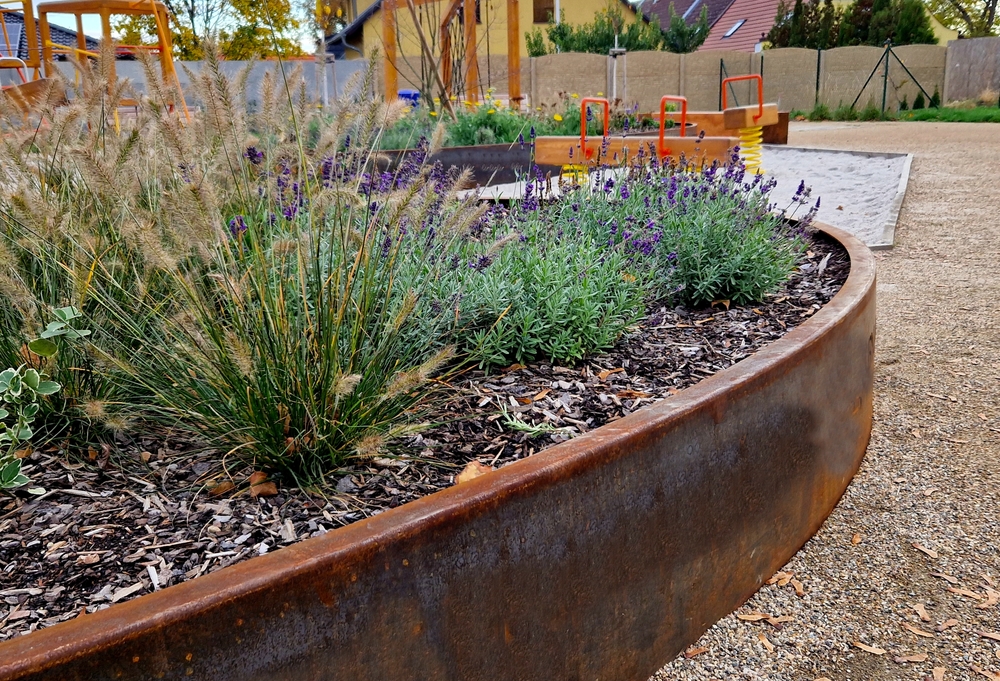
Metal edging delivers a sleek, contemporary look that instantly sharpens a yard’s appearance. Thin strips of steel or aluminum create a crisp boundary that keeps grass from creeping into garden beds while maintaining a low-profile design. This option works especially well in minimalist landscapes or homes with modern architecture.
Installation usually involves inserting the edging into the ground and securing it with stakes, making the process relatively quick and manageable. Pre-fabricated kits simplify the process even further and often come with connectors for smooth curves and corners. Taking time to align the edging properly ensures that signature clean line that makes this option stand out.
Metal edging also requires minimal maintenance, which adds to its appeal. It resists weather damage and maintains its shape far better than many other materials. Over time, certain metals develop a natural patina that adds character without compromising function. That combination of durability and style makes metal edging a smart investment for long-term curb appeal.
6. Gravel Borders That Bring Texture and Contrast
Gravel borders offer a flexible, budget-friendly way to define garden spaces while adding texture and contrast. Small stones create a soft but distinct separation between lawn and planting areas, and they come in a wide range of colors to match different styles. Light gravel brightens a space, while darker tones add depth and drama.
Laying a weed barrier underneath the gravel keeps maintenance manageable and prevents unwanted growth from disrupting the clean look. Edging materials like metal or plastic can help contain the gravel and maintain that tidy appearance over time. Choosing the right size of gravel also matters, as smaller stones tend to stay in place better than larger ones.
Gravel borders also improve drainage, which benefits plants and helps prevent soggy soil near garden edges. They pair well with stepping stones, creating pathways that feel intentional and inviting. With careful placement and a bit of upkeep, gravel borders can look polished and purposeful without demanding much effort.
Consistency Beats Complexity
A standout garden border doesn’t rely on expensive materials or complicated designs. Consistency, thoughtful placement, and a clear vision create the biggest impact, even with the simplest elements. Choosing one style and carrying it through the entire yard creates a cohesive look that feels deliberate rather than scattered.
Mixing too many materials or styles can make a space feel cluttered, so sticking to a clear theme keeps everything grounded. Even small upgrades, like refreshing a border or straightening edges, can dramatically change how a yard looks from the street. Taking time to plan the layout before starting helps avoid costly mistakes and ensures a smoother process overall.
Which of these ideas feels like the perfect fit, and what creative twist could make it even more personal? Drop those thoughts and any clever border ideas in the comments and keep the inspiration rolling.
You May Also Like…
Garden Designs I Want to Learn More About
8 Tips For Designing Your Garden For Efficiency
Design a Winter Garden That Looks Just as Good Without Flowers
The Best Low-Cost Garden Tools That Actually Last for Years
Why Some Gardens Attract More Pests

Brandon Marcus is a staff writer for FrugalGardening.com at District Media, Inc., where he delivers practical gardening advice with a relatable, no-nonsense style. An avid amateur gardener, he holds a BA degree and with over ten years of professional writing experience, he is also an award-winning published author whose first book, Questions For Deep Thinkers, was released by Adams Media. His work has appeared in major publications including Fandom.com, CHUD.com, TheColdWire.com, and Fansided.com.
Leave a Reply