Glow-in-the-dark plants sound like something pulled straight out of a sci-fi dream, but they have exploded across online marketplaces with bold claims and mesmerizing photos. Electric-blue roses, neon-green vines, and flowers that appear to light up the night sky promise something magical, something otherworldly, something impossible to ignore. That visual punch grabs attention instantly, and it pulls in curious buyers who want a piece of that glow for their own gardens or homes. But behind those glowing images sits a much less dazzling reality that deserves a closer look. Those plants rarely deliver what they promise, and in some cases, they introduce real problems for the environment.
The issue goes far beyond disappointment or wasted money. These so-called “bioluminescent” plants often involve dyes, chemical treatments, or misleading marketing that disrupt natural plant behavior and confuse the delicate systems that pollinators rely on every day. Bees, butterflies, and other insects don’t just visit flowers randomly; they respond to very specific signals, including color, scent, and light patterns. When those signals get altered in unnatural ways, the consequences ripple outward quickly. What starts as a viral trend can turn into a quiet ecological disruption, and that shift turns a flashy online purchase into something far more serious.
Glowing Plants: Real Science vs. Internet Fantasy
True bioluminescence exists in nature, but it shows up in a very small group of organisms, mostly certain fungi, algae, and marine life. Fireflies produce light through chemical reactions, and some mushrooms glow faintly in dark forests, creating a natural spectacle that feels almost magical. Scientists have studied these systems for years, and they have even experimented with introducing glowing traits into plants through genetic engineering. Those experiments happen in controlled environments, and they require precise techniques and careful regulation. That kind of work doesn’t translate into mass-produced glowing roses sold online for a few dollars.
Most “glowing” plants available online rely on visual tricks rather than real biology. Sellers often use fluorescent dyes or pigments to create the illusion of a glow, especially under certain lighting conditions. Some images get heavily edited to exaggerate brightness and color, turning a mildly tinted plant into something that looks like it belongs on another planet. That gap between reality and marketing creates confusion, especially for buyers who expect something truly luminous. The disappointment alone would raise eyebrows, but the bigger concern lies in how those altered plants interact with the natural world.
Plants communicate with pollinators through evolved signals that have developed over millions of years. Color plays a huge role in that communication, and many pollinators see ultraviolet patterns that humans can’t detect. When artificial colors or treatments alter those patterns, the plant no longer sends the same signals. That disruption can interfere with pollination, reducing the plant’s ability to reproduce and affecting nearby plants that depend on shared pollinators. A flashy gimmick ends up interfering with a finely tuned ecological system, and that trade-off deserves serious attention.
When Bright Colors Send the Wrong Message to Bees
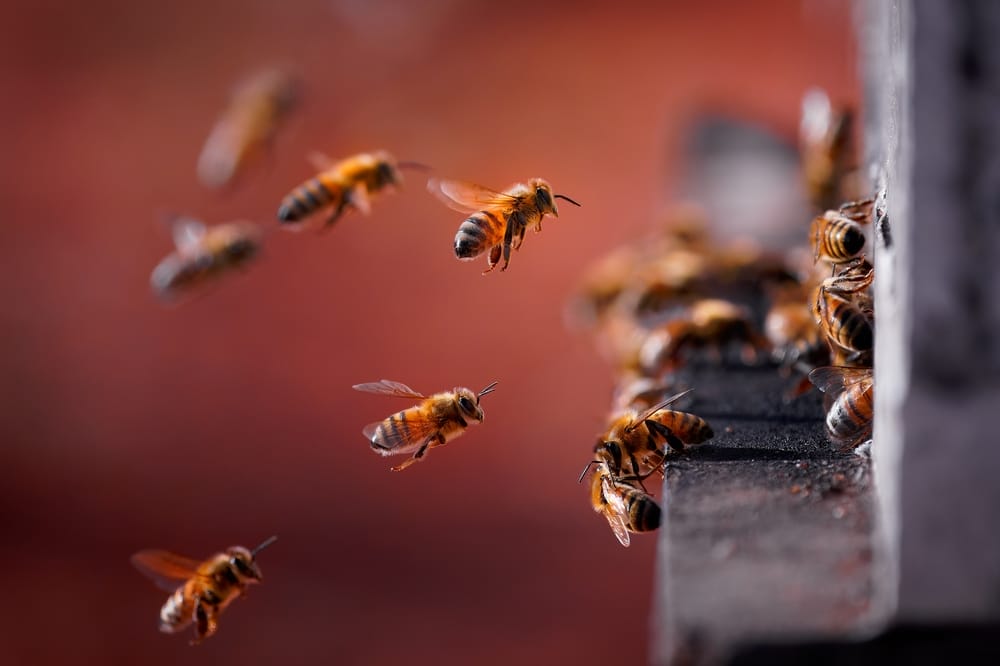
Pollinators operate with incredible precision, even if their movements look random at a glance. Bees, for example, rely on color contrast and ultraviolet markings to locate nectar-rich flowers. They learn which colors signal a good food source and return to those plants repeatedly, creating a reliable cycle of pollination. When a plant suddenly displays unnatural colors due to dyes or treatments, it can send mixed signals that disrupt that cycle. Bees may visit the plant out of curiosity, only to find little or no reward, which wastes energy and time.
That confusion doesn’t stop with a single visit. Pollinators remember negative experiences, and they can start avoiding certain colors or patterns if those cues repeatedly lead to poor rewards. This shift can reduce visits to legitimate plants that share similar visual traits, creating a ripple effect across a garden or local ecosystem. A dyed plant doesn’t just stand alone; it interacts with everything around it, including the insects that keep that environment thriving. That interaction turns a cosmetic change into a functional problem.
Butterflies and other pollinators face similar challenges. Many species depend on specific plants for nectar, and they use visual and chemical cues to find them. Altered plants can throw off those cues, making it harder for pollinators to locate reliable food sources. Over time, that disruption can reduce pollination efficiency, which affects plant reproduction and biodiversity. The chain reaction may start small, but it can grow quickly, especially in areas where pollinators already face pressure from habitat loss and climate change.
The Hidden Chemical Problem No One Talks About
Dyes and chemical treatments used to create “glowing” effects don’t always stay neatly contained within a plant. Those substances can leach into soil or water, especially when the plant gets watered regularly or begins to break down. That introduces foreign compounds into environments that evolved without them, and that shift can affect microorganisms, insects, and other plants nearby. Soil health plays a crucial role in plant growth, and disruptions at that level can create long-term consequences.
Pollinators can also come into direct contact with these chemicals. When bees land on treated petals or collect nectar from altered plants, they may pick up residues that affect their health. Even small amounts of certain substances can interfere with navigation, reproduction, or immune function in insects. Research has already shown how sensitive pollinators can be to pesticides and other chemicals, and adding more variables into that mix doesn’t help.
The lack of regulation around these products adds another layer of concern. Many online sellers operate without clear oversight, and they may not disclose the substances used to achieve certain visual effects. That lack of transparency makes it difficult to assess risk, which puts the burden on buyers to make informed choices. Without reliable information, a simple purchase can introduce unknown factors into a garden or local ecosystem.
Why the Trend Keeps Spreading Anyway
The appeal of glowing plants taps into something powerful: the desire for novelty and visual impact. Social media platforms amplify that appeal, pushing eye-catching images to massive audiences in seconds. A single viral post can spark thousands of purchases, especially when sellers promise easy results and dramatic effects. That momentum keeps the trend alive, even as concerns about authenticity and environmental impact grow.
Marketing plays a huge role in shaping perception. Sellers often frame these plants as rare, futuristic, or cutting-edge, which adds a sense of exclusivity. That framing encourages impulse buying, especially when combined with low prices and limited-time offers. The gap between expectation and reality often doesn’t surface until after the purchase, by which point the transaction has already happened. That cycle repeats, fueling demand and keeping questionable products in circulation.
Breaking that cycle requires awareness and a willingness to question what looks too good to be true. A glowing plant that thrives under normal conditions without specialized care should raise questions immediately. Real scientific breakthroughs don’t usually show up as cheap, mass-market items without clear documentation. Recognizing that distinction helps cut through the hype and shifts attention back to what actually benefits plants and pollinators.
Smarter Choices for a Pollinator-Friendly Garden
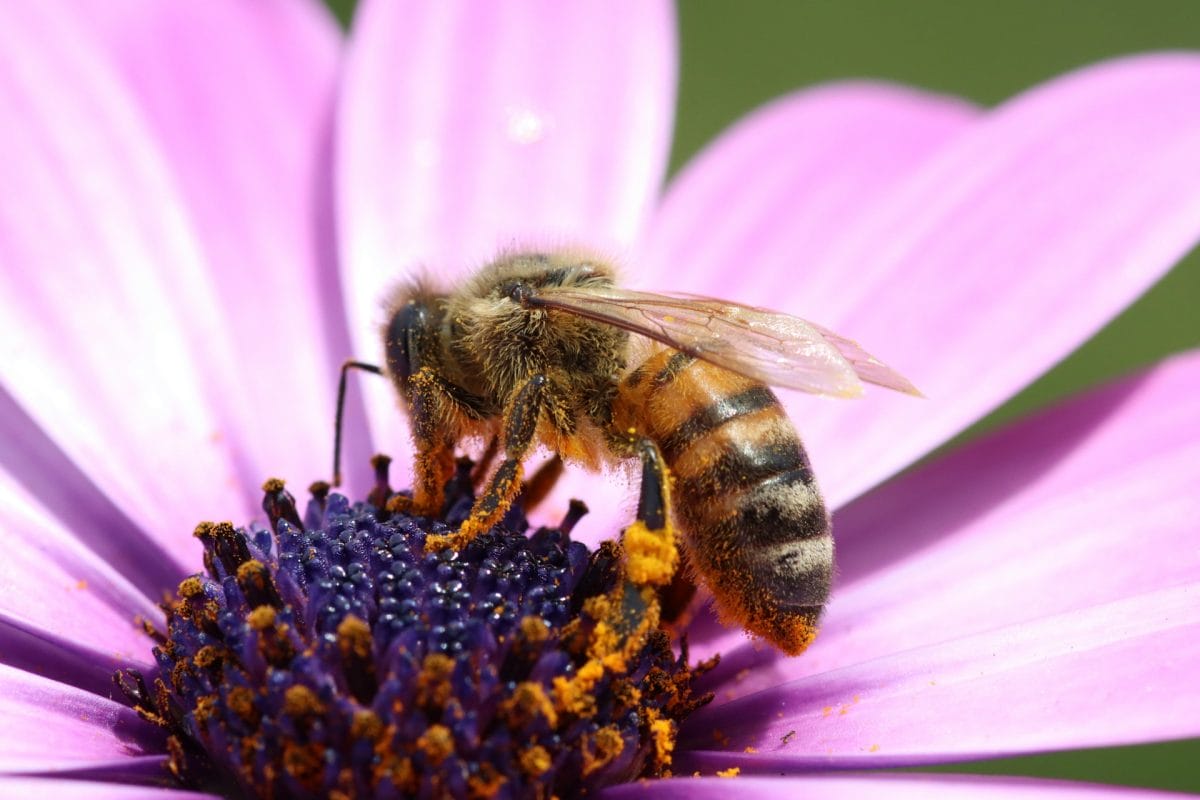
A thriving garden doesn’t need neon colors to make an impact. Native plants, diverse फूल shapes, and a mix of blooming seasons create a rich environment that supports pollinators naturally. Bees, butterflies, and other insects respond to consistency and reliability, not spectacle. Choosing plants that match local ecosystems helps maintain those relationships and supports biodiversity in a meaningful way.
Avoiding artificially altered plants represents a simple but powerful step. Look for reputable nurseries, check plant labels, and research species before bringing them into a garden. Transparency matters, and trustworthy sources provide clear information about how plants get grown and treated. That approach reduces the risk of introducing harmful substances or misleading traits into the environment.
Creating a pollinator-friendly space also involves reducing chemical use overall. Limiting pesticides, providing water sources, and planting a variety of flowers all contribute to a healthier ecosystem. Small changes add up quickly, and they create a space where pollinators can thrive without confusion or risk. A garden built on natural principles doesn’t just look good—it functions as part of a larger ecological network.
The Glow Isn’t Worth the Gamble
Glowing plants may look like the future, but they often represent a step in the wrong direction when they rely on artificial tricks and misleading claims. The impact reaches beyond aesthetics, touching pollinators, soil health, and the balance of local ecosystems. Choosing plants that support natural processes creates a stronger, more resilient environment that benefits everything from insects to entire plant communities.
So what’s the move—stick with the glowing trend, or build something that actually supports the life buzzing all around it? Share thoughts, ideas, or even wild plant finds in the comments.
You May Also Like…
How to Boost Pollinators Without Adding Flowers
Affordable Ways to Create Pollinator Habitats That Attract Bees and Butterflies
Cheap Ways to Attract Pollinators Early in the Season
The Unexpected Insect That Devours New Leaves Before You Notice Damage
March Bugs That Target Tender New Leaves

Brandon Marcus is a staff writer for FrugalGardening.com at District Media, Inc., where he delivers practical gardening advice with a relatable, no-nonsense style. An avid amateur gardener, he holds a BA degree and with over ten years of professional writing experience, he is also an award-winning published author whose first book, Questions For Deep Thinkers, was released by Adams Media. His work has appeared in major publications including Fandom.com, CHUD.com, TheColdWire.com, and Fansided.com.
Leave a Reply