A lot of gardeners plant “tough” ornamentals because they survive heat, drought, and neglect—and they look great doing it. The problem is that one common yard plant shows up in landscaping all over the southern US, and pets treat it like a chew toy, a snack, or a digging prize. When that happens, the bill can jump from “weekend gardening project” to “emergency clinic visit” fast. The good news is that you can fix this without turning your yard into bare dirt or spending a fortune on replacements. Use this guide to spot the risky plant, remove it safely, and swap in options that keep your pets (and budget) out of trouble.
Why This Common Yard Plant Is So Dangerous
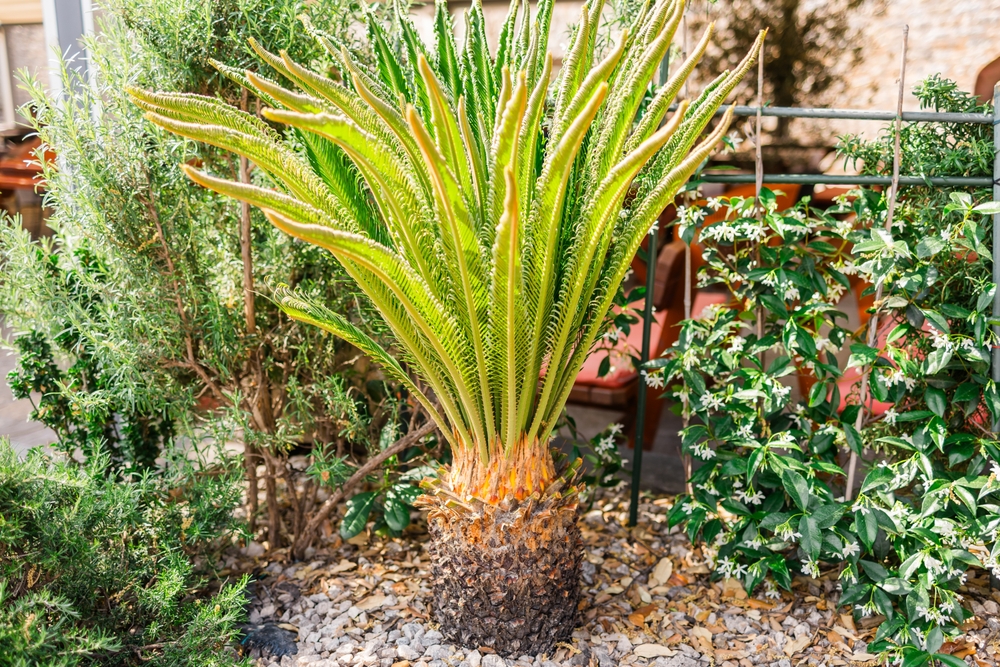
Sago palm looks like a cute little palm, but it’s actually a cycad, and it can be extremely toxic to dogs and cats. The entire plant can cause serious illness, and the seeds or “nuts” are especially risky because pets can carry them around like toys. Pet Poison Helpline notes that sago palm contains cycasin, which can lead to severe liver failure. That’s why vets treat any suspected nibble as urgent, not a “wait and see” situation. If you have sago palm anywhere your pet can reach, treat it as a yard hazard, not a decoration.
How To Identify Sago Palm Before It Becomes A Problem
Look for a short, stout trunk that can resemble a pineapple or rough stump, with stiff fronds that fan out like a mini palm. The leaves feel firm and spiky, and the plant often sits in tidy landscape beds near sidewalks, pools, or front entries. In warm climates, sago palm can also produce clusters of orange to red seeds that drop or get knocked loose. Pets don’t need to eat much to get into trouble, so even a single seed on the ground matters. If you’re not sure what you have, snap a photo for a local nursery or your county extension office to confirm the ID.
The Symptoms Pet Owners Often Miss At First
Early signs can look like a random stomach bug: drooling, vomiting, diarrhea, and low energy can start within minutes to hours after ingestion. Then things can escalate, especially as liver damage develops over the next couple of days. Pet Poison Helpline warns that severe liver failure can appear within about 2–3 days, and some pets also develop neurologic signs like weakness or tremors. You might also see jaundice, bruising, or dark stools, which are big red flags. If your pet shows any of these symptoms and you have sago palm on the property, act like it’s connected until a vet tells you otherwise.
Why Pets Go After It In The Yard
Dogs chew because they’re bored, teething, anxious, or simply curious, and a stiff frond is basically a free chew stick. Cats may bat at seeds, nibble greenery, or explore new mulch beds like they’re on patrol. Yard clippings make the risk worse because pets often investigate fresh piles, and chopped pieces are easier to swallow. That’s how a common yard plant turns into a surprise emergency even when the plant sits behind “nice” landscaping borders. The fix isn’t perfect training—it’s making sure the toxic plant and the tempting pieces never end up within pet range.
The Frugal Swap That Looks Similar But Costs Less Long-Term
If you like the “palm-y” vibe, choose pet-safer plants that don’t come with the same risk and stress. Many gardeners replace sago with non-toxic, container-friendly options like ponytail palm or parlor palm for patios, or with sturdy landscape plants that give structure without sharp, chewable fronds. You can also lean into Texas-friendly texture using ornamental grasses, rosemary hedges, or tough groundcovers that don’t drop enticing seeds. This is where the budget win shows up: replacing one common yard plant is cheaper than even one after-hours veterinary visit. Aim for plants you can propagate, divide, or prune without creating dangerous clippings.
How To Remove It Without Spreading The Danger
Wear gloves, cover your arms, and plan to bag everything because you don’t want pieces left behind in the grass. Cut fronds carefully, collect every chunk, and don’t toss trimmings into an open yard-waste pile where a curious pet can grab them. Dig out as much of the root ball as you can, because leftover plant material can resprout and keep the risk in your yard. Seal debris in strong bags and follow local disposal rules so wildlife and neighborhood pets don’t get exposed. After removal, rake the area thoroughly to pick up seeds, then consider a simple fence or temporary barrier until you’re sure the space is clean.
The Pet-Safe Yard Habit That Saves Money
The smartest move is to treat toxic ornamentals like you’d treat exposed nails: remove them or block access, even if “nothing has happened yet.” If you keep sago palm for any reason, patrol for fallen seeds daily and never leave clippings where pets roam. Put a plan on your fridge with your regular vet number and a pet poison hotline, because fast action matters with this common yard plant. The ASPCA notes that suspected plant ingestion warrants immediate contact with a veterinarian or poison control. With a quick swap and safer habits, you protect your pets and keep your garden budget focused on plants you actually enjoy.
What plant surprised you when you learned it wasn’t pet-safe, and did you remove it or find a safer replacement?
What to Read Next…
Pet Owners in Florida Warned About a Toxic Garden Shrub Gaining Popularity
State Experts Warn: This Invasive Vine Is Spreading Faster Than Expected
Do You Know Which Plants Are Secretly Poisonous in Your Backyard?
Gardening Experts Issue a Warning About Soil Problems Spreading Fast in 2026
9 Weeds That Spread Toxic Pollen Without Warning

Catherine is a tech-savvy writer who has focused on the personal finance space for more than eight years. She has a Bachelor’s in Information Technology and enjoys showcasing how tech can simplify everyday personal finance tasks like budgeting, spending tracking, and planning for the future. Additionally, she’s explored the ins and outs of the world of side hustles and loves to share what she’s learned along the way. When she’s not working, you can find her relaxing at home in the Pacific Northwest with her two cats or enjoying a cup of coffee at her neighborhood cafe.
Leave a Reply