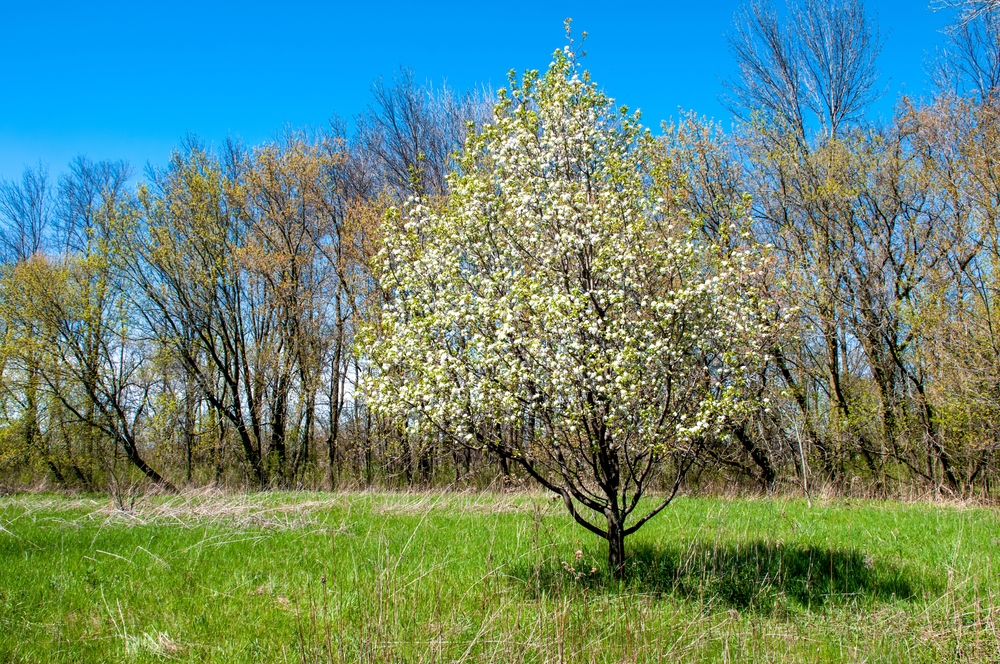
Gardening in South Carolina comes with its own set of rewards: long growing seasons, vibrant blooms, and the chance to create a landscape that feels alive almost year‑round. But not every tree that looks beautiful belongs in the Palmetto State, and one in particular has gone from neighborhood darling to ecological villain.
The Bradford pear tree, once planted everywhere for its quick growth and spring blossoms, is now illegal to plant in South Carolina due to its invasive behavior and impact. South Carolina’s climate gives fast‑growing species the perfect opportunity to spread, and when a tree begins to outcompete native plants, the consequences ripple far beyond a single yard. That’s why the state has taken action against certain invasive species, including the Bradford pear.
The Bradford Pear’s Fall From Grace
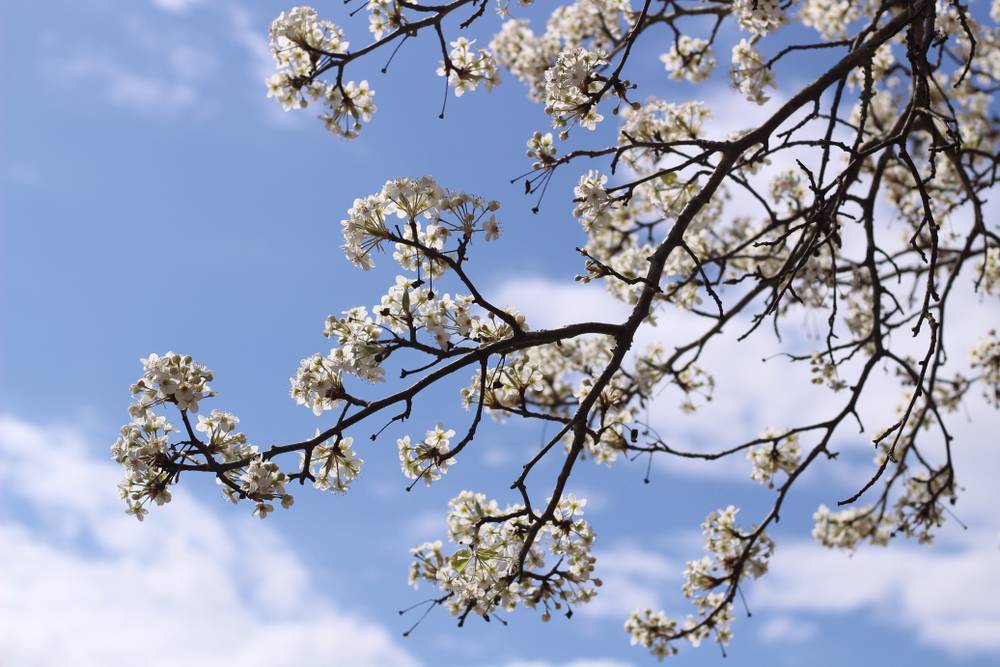
The Bradford pear didn’t start out as a problem. In fact, it was once one of the most popular ornamental trees in the Southeast. Homeowners loved its symmetrical shape, its early spring blossoms, and its ability to grow quickly in a variety of soils. Developers planted it everywhere because it offered instant curb appeal with very little effort. For a while, it seemed like the perfect landscaping tree.
But as the years passed, the Bradford pear revealed a long list of issues. Its branches are notoriously weak and prone to splitting, especially during storms or under the weight of their own growth. This structural instability leads to constant cleanup, property damage, and expensive removals. Even worse, the trees produce thorns that can puncture tires and damage farm equipment, and they crowd out native flora, reducing biodiversity in the state.
How This Tree Became a Statewide Problem
The Bradford pear’s invasive behavior is what ultimately pushed South Carolina to take action. Once the trees began producing viable seeds, they spread rapidly into fields, forests, and roadsides. These wild offspring, often referred to as Callery pears, grow into dense thickets that crowd out native plants and alter natural habitats. Their thorny branches make them difficult to remove, and their rapid growth allows them to dominate landscapes in just a few seasons.
The ecological impact is significant. Native plants struggle to compete with the dense shade and aggressive root systems of wild pear thickets. Wildlife that depends on native vegetation loses essential food sources and shelter. Entire ecosystems can shift, weakening the natural resilience of South Carolina’s landscapes.
What South Carolina’s Ban Means for Homeowners
South Carolina’s decision to ban the planting of Bradford pears is part of a broader effort to protect the state’s natural environment. Nurseries and garden centers are no longer permitted to sell the trees, and homeowners are prohibited from planting new ones. If you already have a Bradford pear on your property, you are not legally required to remove it, but many experts recommend doing so because of the tree’s structural weaknesses and invasive potential.
Removing a mature Bradford pear can be challenging. The tree often resprouts from the stump, meaning that a single removal may not be enough to prevent regrowth. Homeowners may need repeated cuttings or professional assistance to fully eliminate the tree.
Better Alternatives That Bring Beauty Without the Trouble
The good news is that South Carolina offers plenty of native and non‑invasive trees that provide the same visual appeal as the Bradford pear without the ecological consequences. If you love spring blooms, consider planting a serviceberry, which produces delicate white flowers and supports local wildlife with its berries. Redbuds are another standout option, offering vibrant pink blossoms that brighten up any yard and thrive in the state’s climate.
For homeowners who want shade and long‑lasting structure, oaks and maples are excellent choices. These trees support a wide range of birds, insects, and other wildlife, making them valuable additions to any landscape. Choosing native species not only keeps your landscaping legal but also strengthens local ecosystems by providing food and habitat for pollinators and wildlife.
A Greener South Carolina Starts With Thoughtful Planting
South Carolina’s ban on planting Bradford pears reflects a growing understanding of how individual landscaping decisions can shape the environment. By choosing trees that support rather than disrupt local ecosystems, homeowners can create yards that are both beautiful and sustainable. Removing invasive species and replacing them with native alternatives helps protect the state’s natural beauty and ensures healthier landscapes for future generations.
Do you have any experience with Bradford Pear trees? What did you do about it? And what trees or shrubs have you chosen to make your yard both beautiful and environmentally friendly? Talk about it in our comments.
You May Also Like…
Homeowners in These 5 States Are Being Fined for Growing These “Invasive” Flowers
7 Innocent-Looking Plants That Are Banned in Some States
State Experts Warn: This Invasive Vine Is Spreading Faster Than Expected
8 Invasive Plants That Spread Faster in Cool Weather
10 Garden Chemicals That Are Still Sold—But Banned Overseas

Brandon Marcus is a staff writer for FrugalGardening.com at District Media, Inc., where he delivers practical gardening advice with a relatable, no-nonsense style. An avid amateur gardener, he holds a BA degree and with over ten years of professional writing experience, he is also an award-winning published author whose first book, Questions For Deep Thinkers, was released by Adams Media. His work has appeared in major publications including Fandom.com, CHUD.com, TheColdWire.com, and Fansided.com.
Leave a Reply