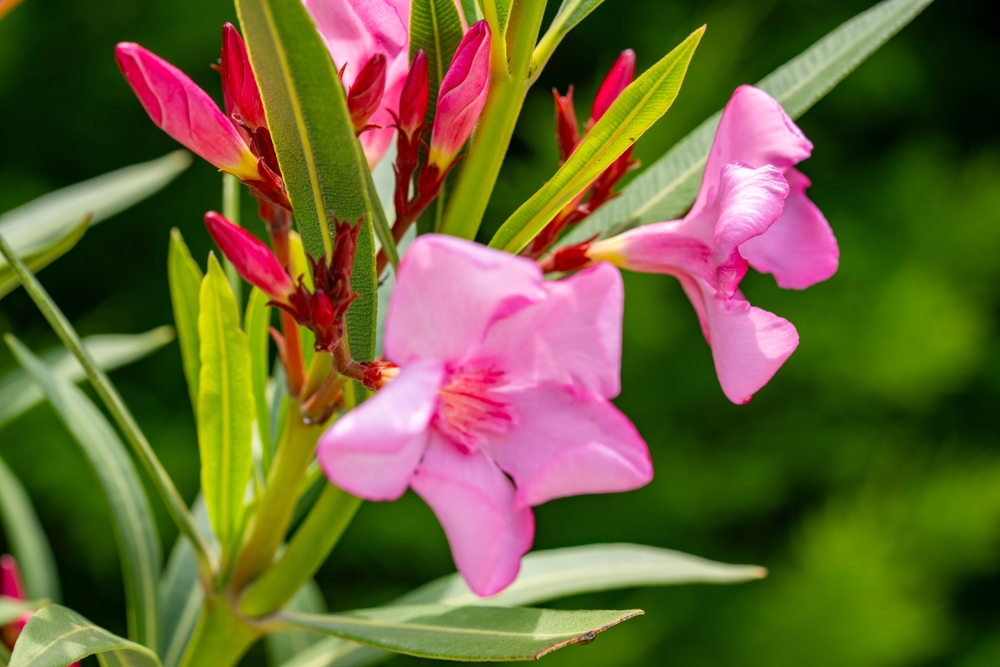
Florida yards love anything that grows fast, stays green, and shrugs off heat—and that’s exactly why one toxic garden shrub keeps popping up in new landscapes. The problem is that “tough” often means “chemically protected,” and pets don’t read plant labels before they chew. If a dog noses through hedge clippings or a cat snacks on leaves, a pretty yard can turn into a stressful vet visit fast. The good news is that you don’t need to rip out your whole landscape to lower the risk. With a few smart choices, you can keep your curb appeal while making your space safer for the animals that live there.
How This Toxic Garden Shrub Spreads Through Florida Yards
Oleander (Nerium oleander) has become a go-to hedge because it grows quickly, handles drought, and keeps its leaves through long warm seasons. Nurseries stock it in multiple colors, and homeowners like the instant “privacy wall” look it creates. It also shows up in new builds because it’s inexpensive and looks finished right away. The trouble is that this toxic garden shrub contains potent compounds in its leaves, flowers, stems, and even the sap. When neighbors share cuttings or landscapers reuse clippings, oleander spreads from one yard to the next without anyone thinking about pet safety.
The Parts Pets Get Into Most Often
Most pet exposures don’t happen because a dog decides to eat a hedge like a salad. They happen when leaves drop into the grass, clippings get left behind, or a curious puppy chews a stick during yard time. Cats can end up with exposure when leaves brush their fur and they groom, or when fallen flowers look like toys. Storm cleanup can raise the risk because broken branches and scattered debris put plant material right where pets roam. A toxic garden shrub becomes even more dangerous when it’s trimmed, because the tempting bits end up at nose level. The simplest rule is this: if it can fall, break, or be carried, it can reach a pet.
What Poisoning Can Look Like In Dogs And Cats
Plant poisoning symptoms can vary by pet size, how much was ingested, and how quickly a pet gets help. With oleander, the biggest concern is that the toxins can affect the heart, and that’s not something to “wait and see” about. Some pets may show drooling, vomiting, diarrhea, weakness, wobbly walking, or unusual tiredness. Others may seem restless or unusually quiet, which can be easy to miss on a busy day. If you suspect a toxic garden shrub was chewed or swallowed, call a veterinarian or a pet poison hotline right away and be ready to describe the plant and timing.
Pet-Safe Landscaping Moves That Actually Work
Start with placement: keep risky ornamentals away from the areas where pets run, sunbathe, or potty, especially near doors and gates. Add a simple physical barrier if you can’t remove the plant today, because training alone doesn’t beat puppy curiosity or storm debris. Improve supervision during trimming days and pick up clippings immediately, since fresh cut pieces are often the easiest for pets to grab. Create a “pet lane” with sturdy ground covers and safe edging plants, so pets have an interesting route that doesn’t involve chewing hedges. When you treat a toxic garden shrub like a fenced-off utility plant instead of a casual border, you cut exposure dramatically.
Removing Or Replacing It Without Regret
If you decide to remove oleander, plan for safe handling rather than hacking it down on impulse. Wear gloves, avoid getting sap on skin, and keep pets indoors until every leaf and stick is in a bag and gone. Don’t compost clippings, and don’t leave piles “for later,” because later is when a dog will find them. If you hire a crew, tell them you’re dealing with a toxic garden shrub and ask them to haul away every scrap instead of mulching on-site. Replace it with pet-friendlier options that still work in Florida, such as clumping bamboo (non-invasive varieties), certain viburnums, or other locally recommended shrubs your nursery can confirm as safer picks.
Make Your Yard Safer Without Making It Boring
A pet-conscious landscape can still look lush, layered, and colorful with the right mix of safe shrubs, grasses, and flowering perennials. Think in zones: a tough “street side” planting for wind and sun, and a safer “pet side” planting near play areas and patios. Keep a small plant list on your phone so you don’t impulse-buy something risky when you spot a pretty bloom at the garden center. Do quick yard sweeps after storms, because Florida weather can scatter leaves and branches where pets explore first. Once you treat the toxic garden shrub issue like a yard-maintenance habit, you’ll build a landscape that looks great and feels calmer to live with.
Have you spotted this shrub in your neighborhood, and what swaps or safety tricks have worked best for your pets?
What to Read Next…
9 Weeds That Spread Toxic Pollen Without Warning
Do You Know Which Plants Are Secretly Poisonous in Your Backyard?
State Experts Warn: This Invasive Vine Is Spreading Faster Than Expected
Are You Poisoning Your Garden? 6 Organic Pest Control Methods That Work
7 Plants That Attract Dangerous Pests without You Realizing It

Catherine is a tech-savvy writer who has focused on the personal finance space for more than eight years. She has a Bachelor’s in Information Technology and enjoys showcasing how tech can simplify everyday personal finance tasks like budgeting, spending tracking, and planning for the future. Additionally, she’s explored the ins and outs of the world of side hustles and loves to share what she’s learned along the way. When she’s not working, you can find her relaxing at home in the Pacific Northwest with her two cats or enjoying a cup of coffee at her neighborhood cafe.
Leave a Reply