Winter gardens often get a bad rap. Snow, frost, and bare branches usually scream “dormant” rather than “dramatic.” But for some shrubs, winter is their time to shine. While most plants retreat into muted colors or hibernate completely, these remarkable shrubs transform into sculptural, colorful, and captivating stars of the cold season. Imagine bold bark, glittering berries, and architectural silhouettes that turn a gray garden into a wonderland.
Forget summer blooms—winter is the secret stage for these green (and sometimes red, yellow, or orange) showstoppers. If you’re ready to add sparkle, drama, and undeniable charm to your winter landscape, these nine shrubs are here to steal the spotlight.
1. Red-Twig Dogwood
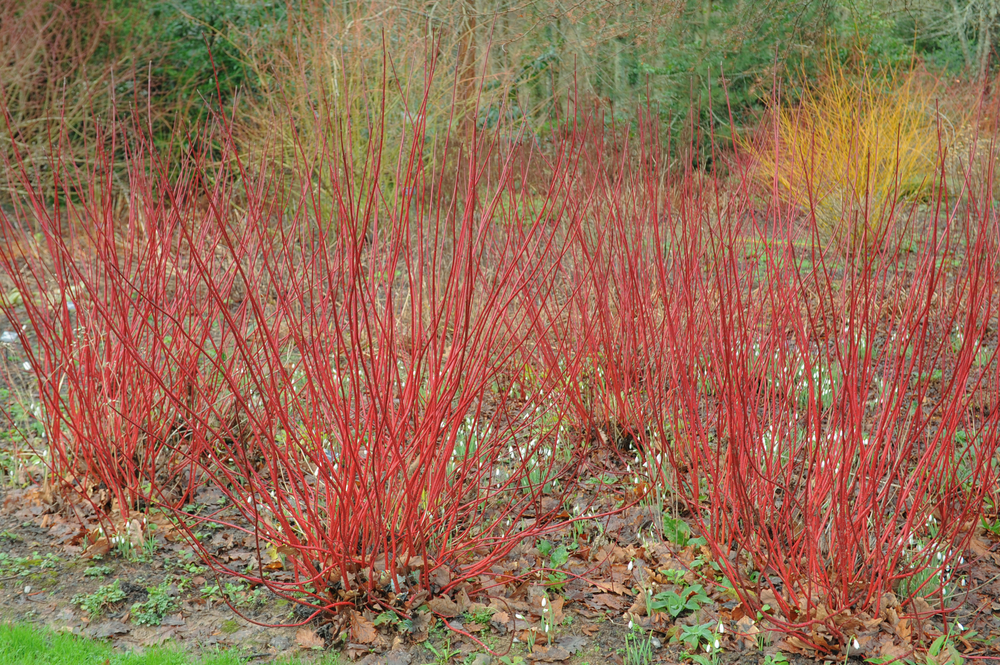
Red-Twig Dogwood is the superhero of winter gardens. When the leaves fall, it doesn’t hide—it flaunts its bright, blood-red stems against the dull backdrop of snow and frost. The contrast is so striking that photographers and garden designers rave about it. Even from a distance, these fiery stems bring warmth and energy to a monochromatic yard.
During summer, its green leaves blend into the surroundings, but winter is when this shrub commands attention. Plant it near a walkway, and it becomes a natural guidepost, lighting up your garden path. Pair it with evergreens or white barked trees, and you’ll have a visual feast that lasts for months.
2. Witch Hazel
Witch Hazel might sound mystical, but its winter appeal is totally real. Long after most plants have bowed out, this shrub bursts into fragrant, spidery flowers that glow in yellows, oranges, and reds. Its blooms seem almost magical against the backdrop of bare branches and frost, infusing your garden with unexpected color. Unlike its summer appearance, which is largely forgettable, winter Witch Hazel provides both scent and spectacle. It’s perfect for those cold days when you crave a little aromatic cheer. Even gardeners who usually ignore flowers find themselves enchanted by this shrub’s late-season charisma. It’s like a warm cup of tea in plant form.
3. Winterberry
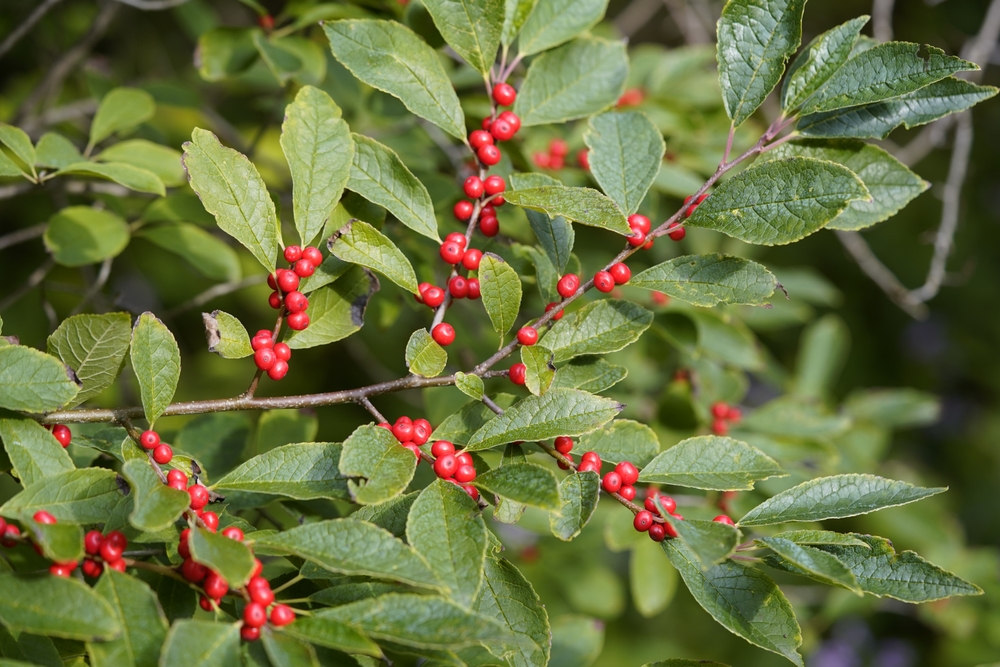
Winterberry is the ultimate berry bomber. Come winter, its bare branches are decorated with clusters of vivid red berries that seem almost too bright to be real. Birds absolutely love them, turning your garden into a lively winter sanctuary. During spring and summer, Winterberry is modest, showing only green leaves, but in winter, it’s a walking holiday decoration. Its stark silhouette paired with the berries’ punchy color makes it a favorite for cut arrangements and outdoor ornaments. Whether used as a hedge or a stand-alone specimen, this shrub provides continuous excitement long after frost hits. You’ll find yourself checking the weather just to admire it in its snowy glory.
4. Inkberry
Inkberry is like the mysterious cousin of the holly family, offering evergreen foliage that looks sharp and glossy against snowy landscapes. Unlike many shrubs that wilt or fade in winter, Inkberry stays bold and polished. Its deep green leaves create a strong structural presence, and its subtle black berries peek through, adding understated elegance. Winter landscapes often feel washed out, but a few Inkberry shrubs provide a permanent anchor of color and texture. They’re also perfect for shaping into hedges or borders, creating a clean, contemporary winter look. If your garden tends toward minimalism, Inkberry is the perfect green thread running through the cold months.
5. Japanese Andromeda
Japanese Andromeda is a winter gem that surprises many gardeners. Its glossy leaves are evergreen, but the real magic appears in early spring with clusters of bell-shaped flowers—though in winter, the leaves retain a deep, rich sheen that keeps your garden lively. Even under snow, the shrub’s structure adds depth and movement. Its branches often arch gracefully, creating a natural elegance that contrasts beautifully with the harsh geometry of frosted landscapes. Unlike many flowering shrubs that retreat into plain green in winter, Japanese Andromeda maintains an impressive presence. Plant it near paths or entryways for that unexpected touch of sophistication. It’s quiet but confident, and undeniably captivating.
6. Coral Bark Maple
Coral Bark Maple is technically a small tree, but many gardeners treat it as a large shrub because of its multi-stemmed, shrubby growth habit. Its intense coral-red bark is absolutely electrifying when the rest of the garden has gone monochrome. During summer, its green canopy blends with the surrounding trees, but winter strips it bare, revealing a fiery network of branches. It’s like the shrub transforms into a living sculpture. Snow or frost enhances the bark’s vibrant tones, making it impossible to ignore. Position it near a contrasting backdrop—like evergreens or a white fence—and watch it pop like fireworks in a frozen sky. Every garden needs a bit of this drama when temperatures drop.
7. Mahonia
Mahonia might not be the first shrub you notice in summer, but in winter, it practically glows. Its spiny, holly-like leaves remain dark green, while clusters of bright yellow flowers can bloom even in icy conditions. The contrast is jaw-dropping, and bees sometimes brave the cold to sip its nectar, adding life to your winter garden. The plant’s architectural leaves also create shadows and patterns, giving your outdoor space texture and dimension. Mahonia thrives in shady spots, so it’s perfect for adding winter interest where other shrubs fail. It’s bold, hardy, and a little bit rebellious, making it a favorite for gardeners who love a touch of drama.
8. Beautyberry
Beautyberry earns its name in winter like few others. In late fall and winter, clusters of iridescent purple berries cling to the stems after the leaves drop, creating an almost surreal jewel-like display. Birds flock to it, and the contrast against the bare, brown branches makes the berries appear to float. During summer, its flowers are delicate and charming, but they pale in comparison to the striking winter spectacle.
Plant Beautyberry in groups or scattered throughout your landscape for an eye-catching, whimsical vibe. Its winter personality is vibrant, playful, and impossible to ignore. If you want your garden to tell a story after the first frost, this shrub is your narrator.
9. Dogwood ‘Midwinter Fire’
This isn’t just any Dogwood—it’s a drama queen of the cold months. Its orange and red bark really comes alive in winter, glowing like embers against the muted landscape. Summer can feel ordinary for this shrub, with its green leaves blending into the background, but winter transforms it into a living flame. It’s excellent for borders, hedges, or as a solitary centerpiece in a snowy yard. The combination of vibrant stems and elegant form creates a captivating visual rhythm. Gardeners often say this shrub turns bleak winter days into moments of pure delight. It’s bold, flamboyant, and utterly unforgettable.
Winter Wonders Conclusion
Winter doesn’t have to be a dormant, dull season in your garden. With the right shrubs, you can create drama, color, and movement even when the temperature drops. Each of these nine shrubs proves that frost, snow, and bare branches are not obstacles—they’re opportunities to showcase beauty in a completely different way.
From blazing bark to jewel-like berries, winter gardens can be just as exciting as summer landscapes. We’d love to hear about your winter garden heroes or any experiences you’ve had planting these dramatic shrubs in the comments below.
You May Also Like…
9 Shrubs That Stay Shockingly Colorful Even in the Coldest Months
Why Evergreen Shrubs Are Winter’s Secret Weapon in the Garden
8 Shrubs With Colourful Bark You’ll Love in Winter Landscapes
How to Use Berry-Bearing Shrubs for Winter Garden Drama
10 Foods You Can Compost in Winter Without Making a Smell

Brandon Marcus is a staff writer for FrugalGardening.com at District Media, Inc., where he delivers practical gardening advice with a relatable, no-nonsense style. An avid amateur gardener, he holds a BA degree and with over ten years of professional writing experience, he is also an award-winning published author whose first book, Questions For Deep Thinkers, was released by Adams Media. His work has appeared in major publications including Fandom.com, CHUD.com, TheColdWire.com, and Fansided.com.
Leave a Reply