
Some of the tackiest objects in America have just landed inside the house—and somehow, they look incredible.
For decades, discount lawn ornaments lived predictable lives. A plastic flamingo leaned in a patch of grass. A concrete goose wore seasonal outfits on the porch. A wide-eyed garden gnome guarded a flower bed with eternal optimism. Homeowners bought these pieces for a laugh, a splash of color, or a hint of nostalgia, but they rarely earned serious design respect.
That has changed. A growing number of homeowners now haul these budget-friendly yard decorations indoors or around the yard and transform them into bold statement pieces. Instead of hiding kitsch in the backyard, they spotlight it in living rooms, entryways, and even home offices. The result blends humor, personality, and surprisingly sophisticated design instincts.
From Front Yard Joke to Living Room Showpiece
Plastic flamingos once symbolized suburban kitsch, but they now enjoy a second act as ironic art. Designers have long celebrated camp and pop culture objects, and homeowners have followed suit. Instead of staking flamingos into soil, people mount them on interior walls, cluster them in corners like a sculptural installation, or perch them beside bookshelves for a hit of saturated pink.
The appeal goes beyond shock value. Bright lawn ornaments introduce bold color without expensive artwork. A neon flamingo can energize a neutral space that relies too heavily on beige and gray. When someone pairs that flamingo with patterned pillows, layered rugs, and metallic accents, the room gains intention rather than chaos.
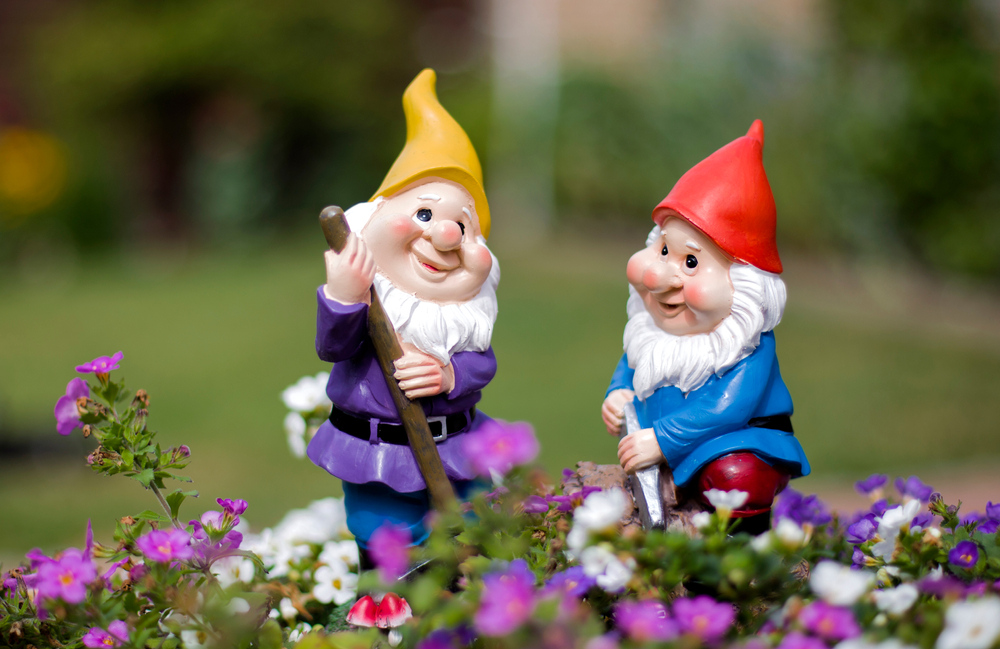
Concrete figures such as traditional garden gnomes also thrive indoors. Their weight and texture give them presence, especially in minimalist spaces that crave contrast. A single gnome placed on a console table, surrounded by clean-lined furniture and modern lighting, creates tension that feels playful instead of cluttered.
Why This Trend Makes Design Sense
This movement aligns perfectly with the broader rise of maximalism and personality-driven interiors. After years of stark white walls and matching furniture sets, many homeowners now reject uniformity. They want rooms that reflect their humor, their quirks, and their willingness to bend traditional design rules.
Lawn ornaments offer affordability, and affordability encourages experimentation. A homeowner can spend less than $30 on a large decorative piece at a big-box store or garden center. That low investment removes the fear that often accompanies high-end décor purchases. When a piece costs less than a dinner out, people feel free to repaint it, cut it, or completely reimagine it.
Upcycling also plays a role. Repurposing existing items reduces waste and extends the life of objects that might otherwise end up in landfills. Many concrete or resin ornaments last for years outdoors, which means they hold up even better in climate-controlled interiors. Instead of buying new mass-produced sculptures, homeowners can give a second life to something they already own.
The DIY Glow-Up: Paint, Polish, and Personality
A lawn ornament rarely walks inside unchanged. Creative homeowners often start with paint. A matte black coat can transform a cartoonish statue into a sleek, modern accent. A high-gloss metallic finish can push a once-silly flamingo into contemporary art territory. Spray paint designed for plastic or outdoor materials adheres well to most ornaments, and proper surface cleaning ensures a durable result.
Texture matters too. Some people add gold leaf to highlight details, while others sand rough edges to create a smoother, more refined silhouette. A concrete goose might receive a monochromatic treatment that matches the room’s palette, instantly shifting from seasonal porch staple to curated sculpture.
Where to Find the Best Candidates
Big-box home improvement stores, garden centers, and online marketplaces stock a wide range of inexpensive lawn décor. Seasonal sales often slash prices dramatically, especially at the end of summer. Thrift stores and garage sales also offer hidden gems, and these venues often carry older, more distinctive designs that stand apart from current mass-produced styles.
Concrete statues tend to last longer and offer more visual weight, while lightweight plastic pieces allow easier mounting on walls or shelves. Resin ornaments strike a middle ground with durability and manageable weight. Homeowners should check for cracks, fading, or structural weaknesses before committing to a project, especially if they plan to sand or repaint the surface.
How to Avoid Turning Trendy into Tacky
Repurposing items requires restraint. One statement piece can energize a room, but five mismatched figures can derail the entire design. Successful spaces rely on balance. If a homeowner introduces a bright pink flamingo, they should echo that pink elsewhere in subtle ways, perhaps through a throw blanket or artwork.
Context also matters. A whimsical ornament pairs best with clean, intentional surroundings. Clutter competes with the piece and amplifies chaos. Thoughtful editing ensures that the ornament feels curated rather than accidental.
Finally, homeowners should embrace authenticity. If someone hates kitsch but feels pressure to follow a trend, the result will look forced. This approach works best for people who genuinely enjoy a little irony and humor in their homes. Confidence turns an inexpensive object into a conversation starter instead of a design misstep.
The Bigger Cultural Shift Behind the Flamingo
This trend reflects a larger cultural embrace of individuality in home design. Social media platforms highlight homes that feel layered, personal, and unexpected. Perfectly staged, identical rooms no longer dominate aspirational feeds. Instead, spaces filled with collected objects, thrifted finds, and playful accents capture attention.
Lawn ornaments fit neatly into this shift because they carry cultural baggage. The plastic flamingo, for example, became an icon of mid-century Americana and camp aesthetics. When homeowners place that symbol indoors, they signal a willingness to blend high and low design. They reject the idea that only expensive art deserves wall space.
A New Life for the Lawn Legend
Lawn ornaments no longer need to guard flower beds. They can anchor an entryway, inject color into a quiet corner, or serve as a reminder that design should never take itself too seriously. With careful editing, smart placement, and a dash of boldness, these inexpensive pieces can elevate a space rather than cheapen it.
Home design thrives on risk and personality, and this trend invites both. A flamingo on the wall or a gnome on a bookshelf may not suit every home, but the willingness to experiment opens the door to spaces that feel alive and unmistakably personal.
Would you bring a once-outdoor ornament into your living room, or do you think some things belong strictly in the yard? Talk about your plans in the comments below.
You May Also Like…
Are Holiday Decorations Actually Harming Your Garden?
6 Ways to Recycle Holiday Decor into Garden Uses
10 Things You Should Remove From Your Garden Immediately — They’re Ruining the Whole Look
These 5 Kitchen Items Are Secretly Contaminating Your Garden Soil
Gardeners Are Planting This “Safe” Shrub — But It’s Deadly for Cats

Brandon Marcus is a staff writer for FrugalGardening.com at District Media, Inc., where he delivers practical gardening advice with a relatable, no-nonsense style. An avid amateur gardener, he holds a BA degree and with over ten years of professional writing experience, he is also an award-winning published author whose first book, Questions For Deep Thinkers, was released by Adams Media. His work has appeared in major publications including Fandom.com, CHUD.com, TheColdWire.com, and Fansided.com.
Leave a Reply