
North Carolina gardeners are used to dealing with the usual suspects—aphids, beetles, maybe the occasional slug with a personal vendetta—but this year brings a new and far more unwelcome guest. Agriculture officials have confirmed that a destructive invasive pest has made its way out of commercial areas and into residential gardens, and it’s causing quite a stir among plant lovers.
This isn’t just another nuisance chewing a few leaves; it’s a species known for spreading quickly, damaging crops, and leaving behind a sticky mess that can turn a peaceful backyard into a full-time cleanup project. If you grow anything from tomatoes to roses, this is a development worth paying attention to.
Meet the Uninvited Guest: The Spotted Lanternfly’s Not‑So‑Grand Entrance
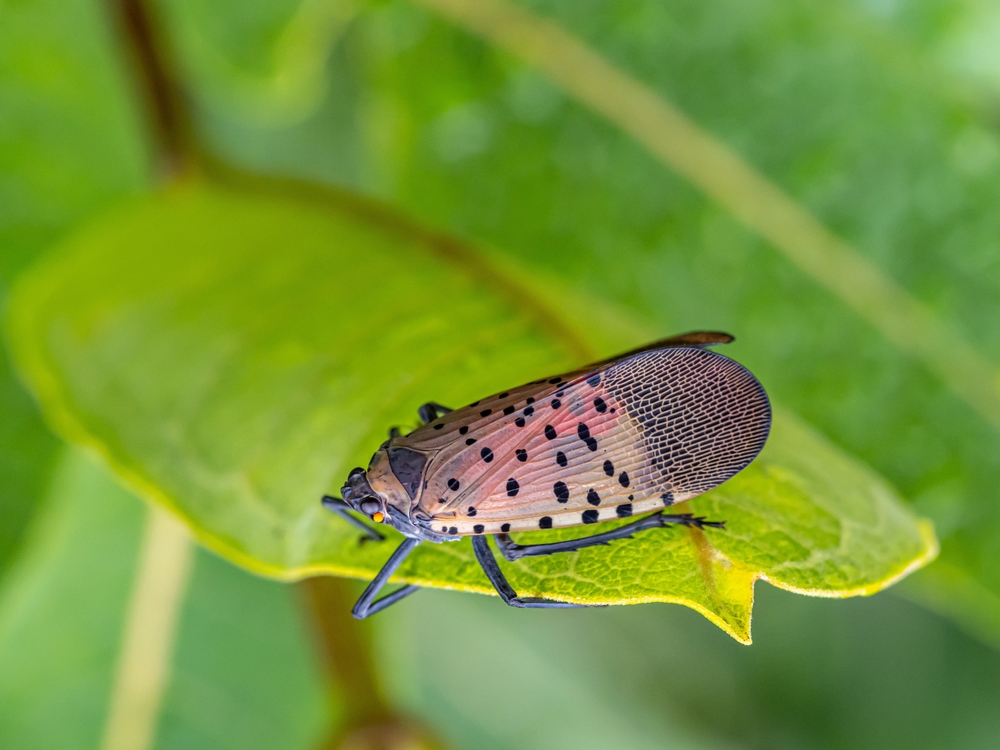
The invasive pest raising alarms is the spotted lanternfly, a planthopper native to parts of Asia that has been spreading across the United States since it was first detected in Pennsylvania in 2014.
North Carolina agriculture officials have been monitoring its movement for years, and recent reports confirm that it has now been found in residential gardens in multiple counties. The insect is visually striking, with spotted wings and bright red underwings, but its beauty ends there. It feeds on more than 70 plant species, including grapes, fruit trees, hardwoods, and many ornamental plants commonly found in home landscapes. Its ability to reproduce quickly and hitchhike on vehicles, firewood, and outdoor equipment makes it particularly difficult to contain.
Why This Pest Is Such a Big Deal for Home Gardeners
The spotted lanternfly doesn’t chew leaves or bore into stems the way many pests do. Instead, it pierces plants and feeds on sap, weakening them over time. This feeding process stresses the plant, reduces growth, and can make fruit‑bearing plants far less productive. As if that wasn’t enough, the insect excretes a sugary substance called honeydew, which coats leaves, decks, furniture, and anything else beneath the infested plant.
Honeydew attracts sooty mold, a black fungus that can further damage plants and create a sticky, unpleasant mess for homeowners. While the pest doesn’t pose a direct threat to humans or pets, the impact on gardens, landscaping, and even outdoor enjoyment can be significant.
How the Spotted Lanternfly Slipped Into Residential Areas
Agriculture officials note that the spread into residential gardens isn’t surprising, given the insect’s behavior. Spotted lanternflies are notorious hitchhikers, often laying egg masses on smooth surfaces like outdoor furniture, vehicles, grills, and even children’s play equipment. When these items are moved from one location to another, the pest can travel with them unnoticed.
The insect also tends to gather in large groups on trees and shrubs, making it easy for populations to expand quickly once they arrive. As more people move outdoor items between counties or bring home firewood from different regions, the chances of accidental transport increase dramatically.
What NC Agriculture Officials Are Urging Residents to Do Now
Officials from the North Carolina Department of Agriculture and Consumer Services (NCDA&CS) are asking residents to stay alert and report any suspected sightings. They emphasize the importance of identifying egg masses, which resemble smears of mud and can be found on tree trunks, stones, vehicles, and other outdoor surfaces.
Removing and destroying these egg masses can help slow the spread. They also recommend checking vehicles, trailers, and outdoor equipment before traveling, especially if you live in or near an area where the pest has been confirmed. Early detection is one of the most effective tools in managing invasive species, and homeowners play a crucial role in that effort.
Practical Steps Gardeners Can Take to Protect Their Plants
Gardeners don’t need to panic, but they should take proactive steps to protect their landscapes. Regularly inspecting plants—especially trees like maples, walnuts, and fruit trees—can help catch infestations early. Sticky bands placed around tree trunks can trap nymphs as they climb.
Removing the pest by hand or using targeted treatments approved for residential use can also help manage small populations. Keeping outdoor areas clean and reducing clutter gives lanternflies fewer places to hide or lay eggs. And if you spot the insect, take a clear photo and report it to officials to track its spread.
Why Controlling This Pest Matters Beyond Your Backyard
While the spotted lanternfly is a nuisance for homeowners, its impact on agriculture is far more serious. North Carolina’s vineyards, orchards, and hardwood forests are all at risk if the pest continues to spread unchecked. Grapevines are particularly vulnerable, and states with established lanternfly populations have reported significant losses in wine and table grape production.
Even if you don’t grow fruit or maintain a large garden, helping control the pests in residential areas supports the broader effort to protect the state’s agricultural economy. Every report, every removed egg mass, and every controlled infestation contributes to slowing the spread.
Staying Vigilant: The Best Defense Against an Expanding Threat
The arrival of the spotted lanternfly in residential gardens is a reminder that invasive species don’t stay confined to forests or farms. They move, adapt, and find new places to thrive, often with the help of human activity. Staying informed, keeping an eye on your plants, and taking action when needed can make a meaningful difference. North Carolina officials are working hard to contain the pest, but they can’t do it alone. Homeowners who stay vigilant and proactive are an essential part of the solution.
What steps are you taking to protect your garden from invasive pests this season? Tell us your tips in the comments section below.
You May Also Like…
South Carolina Bans This Once‑Beloved Tree—Homeowners Urged to Check Their Yards
New HOA Rules in the Carolinas Are Banning These Common Garden Features
Gardeners in the Carolinas Warned: Soil Mix Is Testing Positive for Lead
Why Gardeners in the Carolinas Are Skipping Mulch This Winter—And What Experts Say to Do Instead
Soil Test Warning: What North Carolina Gardeners Are Finding in Their Yards This January

Brandon Marcus is a staff writer for FrugalGardening.com at District Media, Inc., where he delivers practical gardening advice with a relatable, no-nonsense style. An avid amateur gardener, he holds a BA degree and with over ten years of professional writing experience, he is also an award-winning published author whose first book, Questions For Deep Thinkers, was released by Adams Media. His work has appeared in major publications including Fandom.com, CHUD.com, TheColdWire.com, and Fansided.com.
Leave a Reply