Florida is famous for palm trees, tropical blooms, and lush backyards that look like mini jungles. But hiding among the pretty greenery are plants that can cause serious ecological damage—and yes, sometimes even legal trouble. One wrong vine in your yard or one banned plant in your landscaping plan could turn your dream garden into a very expensive lesson.
This isn’t about scaring gardeners away from planting anything. It’s about knowing which plants cross the line from “pretty” to “problem.” Florida takes invasive species seriously, and the rules are getting more attention every year as ecosystems struggle to keep up with aggressive outsiders.
Why Florida Actually Regulates Plants
Florida’s climate is basically a five-star resort for plants. Warm weather, plenty of rain, and long growing seasons mean many species grow faster here than almost anywhere else in the U.S. That’s great for tomatoes and hibiscus, but it’s a nightmare when invasive plants take over natural habitats.
Invasive plants can choke waterways, destroy wildlife habitats, damage property, and cost millions to control. Because of that, Florida has lists of prohibited and regulated species. Some are illegal to sell or transport, others are illegal to plant or intentionally spread, and a few can trigger penalties if they’re allowed to grow unchecked in certain situations.
Brazilian Pepper Tree And The Backyard Takeover
The Brazilian pepper tree is one of Florida’s most notorious invaders. It looks harmless at first glance, with glossy leaves and clusters of bright red berries that seem almost festive. Unfortunately, this tree spreads aggressively and pushes out native plants that wildlife depends on.
Florida has classified Brazilian pepper as a noxious invasive species. Selling or intentionally planting it is prohibited in many contexts, and landowners may be required to remove it in certain areas. If it spreads into protected habitats or public lands from private property, things can get complicated fast.
Melaleuca Trees And The Wetland Disaster
Melaleuca, sometimes called the paperbark tree, was once promoted as a great solution for swampy areas. That backfired spectacularly. These trees drink enormous amounts of water and form dense forests that dry out wetlands and crowd out native species.
Florida has spent decades trying to control melaleuca populations, and the tree is heavily regulated. Selling or distributing melaleuca is illegal, and knowingly planting it can lead to penalties. In some cases, landowners may be pressured to remove it, especially if it threatens sensitive ecosystems.
Water Hyacinth And Floating Chaos
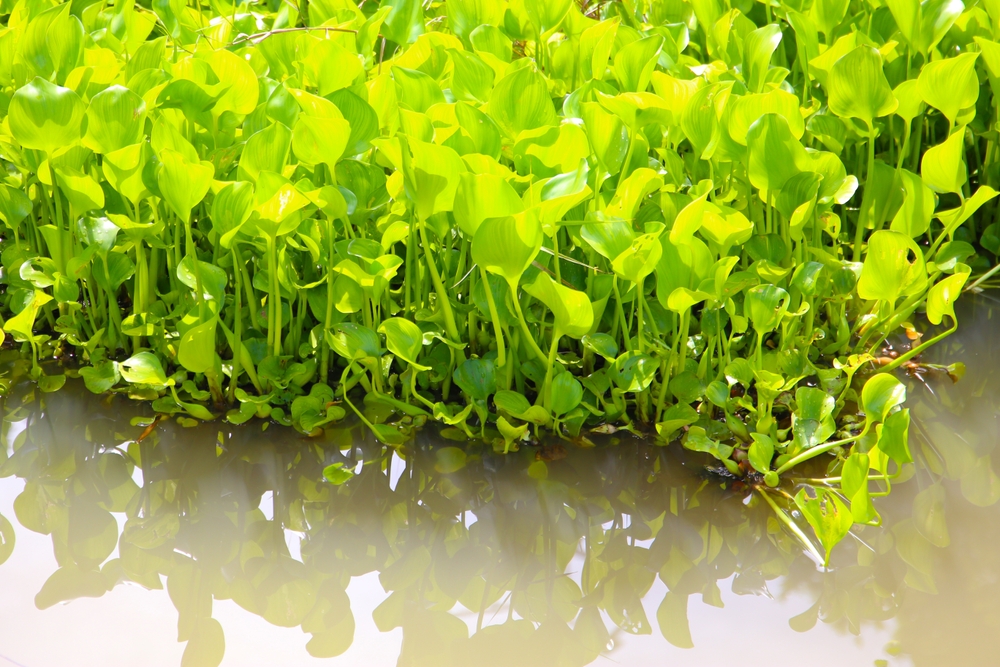
Water hyacinth is famous for its delicate purple flowers and floating leaves. It’s also one of the most destructive aquatic plants in the world. This plant multiplies rapidly, forming thick mats that block sunlight, reduce oxygen in the water, and clog canals and lakes.
In Florida, water hyacinth is illegal to possess, transport, or cultivate without special permits. That includes backyard ponds and water gardens. If authorities find it on your property, you could face fines and mandatory removal.
Air Potato Vine And The Climbing Menace
The air potato vine is a fast-growing climber that can smother trees and shrubs in record time. It produces potato-like bulbils that fall to the ground and sprout new plants, making it incredibly hard to control.
Florida classifies the air potato as an invasive species, and intentional planting or spreading is strongly discouraged and regulated. While homeowners aren’t usually fined just for having it appear naturally, knowingly cultivating it or allowing it to spread into protected areas can create legal issues.
Cogongrass And The Hidden Fire Risk
Cogongrass doesn’t look dramatic. It’s just grass—until you realize how aggressive and dangerous it is. This invasive species spreads through underground rhizomes and forms dense patches that outcompete native plants.
Even worse, cogongrass is highly flammable. It can increase wildfire risks, especially in dry seasons. Florida has designated cogongrass as a noxious weed, and transporting or intentionally planting it is illegal.
Burmese Reed And The Wetland Invader
Burmese reed is another plant that thrives in Florida’s wetlands and waterways. It grows tall, spreads fast, and forms dense stands that displace native vegetation.
Florida restricts Burmese reed because of its impact on ecosystems and flood control systems. Introducing or spreading it intentionally can lead to penalties. In some cases, removal may be required to prevent further damage.
What Actually Triggers Fines And Enforcement
Most homeowners won’t get fined just because an invasive plant shows up unexpectedly. Enforcement usually focuses on intentional actions: planting, selling, transporting, or deliberately spreading prohibited species.
However, things can escalate if a landowner ignores repeated warnings or allows invasive plants to spread into protected lands. Commercial landscapers, nurseries, and developers face stricter scrutiny because their actions can affect large areas.
How To Garden Without Getting Into Trouble
Florida offers plenty of stunning native and non-invasive plants that are safe, legal, and environmentally friendly. Native species often require less maintenance, attract wildlife, and thrive in local conditions without wreaking havoc.
Before planting something new, check whether it’s on Florida’s prohibited or invasive lists. If you already have suspicious plants in your yard, early removal is far easier and cheaper than waiting until they spread.
Your Garden, Your Responsibility, Your Story
Florida’s invasive plant rules aren’t meant to ruin anyone’s backyard dreams. They exist because a single plant can transform entire landscapes, waterways, and ecosystems. Knowing which plants cross the legal line gives you power, not limitations.
If you’ve ever battled an invasive plant, inherited a wild yard, or accidentally planted something you later regretted, your experience matters. Drop your thoughts or stories in the comments.
You May Also Like…
Gardeners in Florida Are Reporting Early Aphid Surges—Here’s Why
The $5 Gardening Tool That’s Saving Florida Growers Hundreds This Winter
The $0 Garden Trend That’s Taking Over Pinterest—And Why It’s Perfect for Southern Growers
The Winter Vegetable Garden Hack That Southern Gardeners Swear By
8 Common Garden Tools That Could Be Illegal in Your City

Brandon Marcus is a staff writer for FrugalGardening.com at District Media, Inc., where he delivers practical gardening advice with a relatable, no-nonsense style. An avid amateur gardener, he holds a BA degree and with over ten years of professional writing experience, he is also an award-winning published author whose first book, Questions For Deep Thinkers, was released by Adams Media. His work has appeared in major publications including Fandom.com, CHUD.com, TheColdWire.com, and Fansided.com.
Leave a Reply