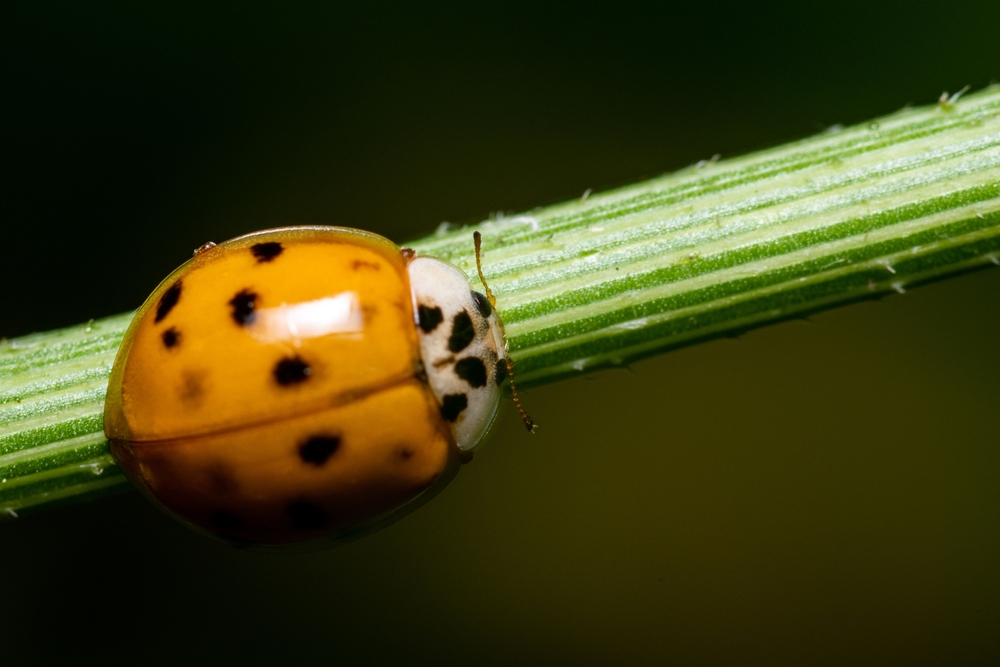
Georgia residents look forward to crisp fall mornings, colorful leaves, and porch-sitting weather. Then it happens. Windows suddenly dot themselves with orange specks. Doors become crowded with tiny, determined climbers. Cars look like they’ve driven through a polka-dot storm. Asian lady beetles have arrived in force, and they’re acting like they own the place.
This annual invasion feels dramatic, puzzling, and a little chaotic—but it’s also completely explainable. Behind the buzzing wings and clustered corners lies a perfect mix of biology, climate, and timing that turns Georgia into beetle central.
1. Georgia’s Warm Climate Is Basically Beetle Paradise
Asian lady beetles thrive in places where temperatures stay mild well into fall, and Georgia checks that box with enthusiasm. While colder states push these insects into survival mode earlier in the year, Georgia’s extended warmth gives them extra time to fly, feed, and multiply. Even when nights cool down, daytime sunshine heats up houses, trees, and siding just enough to keep beetles active. This warmth tricks them into lingering longer than expected, increasing the chances you’ll notice them gathering by the dozens.
The state’s relatively mild winters also mean more beetles survive year to year, setting the stage for larger populations next season. In short, Georgia doesn’t just host Asian lady beetles—it rolls out the welcome mat.
2. They Were Introduced On Purpose And It Worked A Little Too Well
Asian lady beetles didn’t just wander into Georgia on their own centuries ago. They were intentionally introduced in the United States to help control aphids and other crop-damaging pests. On that front, they’ve been wildly successful. Georgia’s farms, gardens, and ornamental plants offer a steady buffet of aphids, making the state a prime feeding ground. With plenty of food and few natural predators, beetle populations exploded. While farmers appreciated the pest control, homeowners eventually got an unexpected side effect: mass beetle gatherings around houses. Success in nature doesn’t always come quietly, and these beetles are proof of that.
3. Your House Looks Like A Five-Star Winter Resort
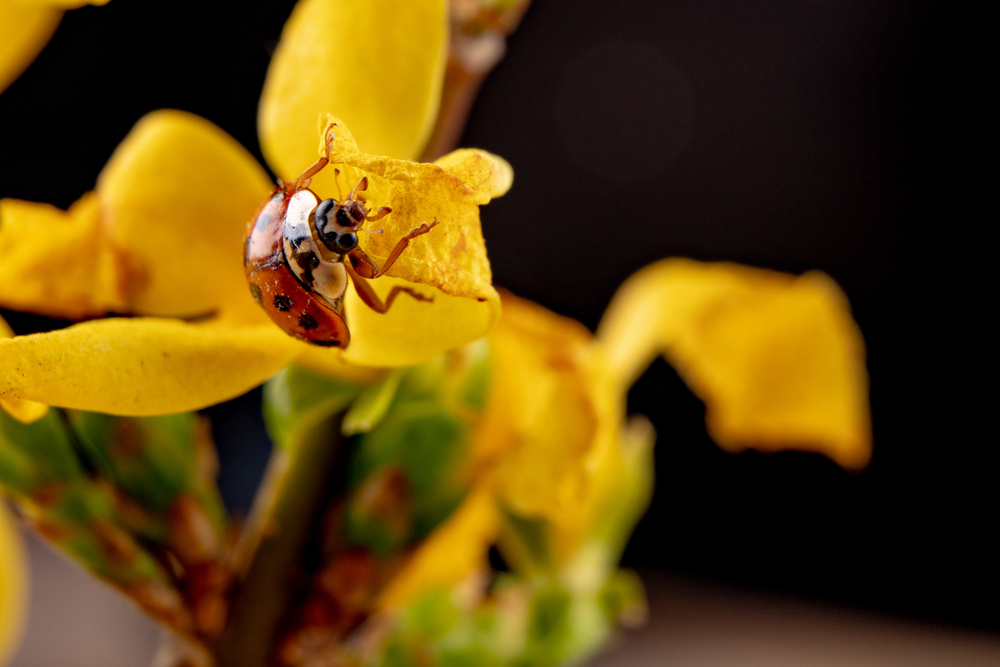
When fall approaches, Asian lady beetles begin searching for safe places to spend the winter. Light-colored homes, sunny walls, and warm surfaces act like giant neon signs advertising “Vacancy Available.” Georgia homes, especially those with lots of sun exposure, are irresistible. The beetles are particularly drawn to south- and west-facing walls that soak up afternoon heat. Tiny cracks, gaps around windows, and door frames become prime entry points once they’ve gathered. They aren’t trying to invade out of spite; they’re following ancient instincts that once led them to cliff faces and rock crevices. Modern architecture just happens to fit the bill perfectly.
4. Sudden Weather Shifts Trigger Massive Group Behavior
Asian lady beetles are incredibly sensitive to changes in temperature and daylight. A stretch of warm weather followed by a quick cold snap acts like a starting pistol for mass movement. Georgia’s fall weather is famous for dramatic swings, with sunny 80-degree days suddenly giving way to chilly nights. These abrupt changes send beetles scrambling to find shelter all at once. That’s why infestations seem to appear overnight rather than gradually. One day everything looks normal, and the next day your siding looks alive. It’s not random chaos—it’s synchronized survival behavior playing out on a statewide stage.
5. Georgia’s Landscape Offers Endless Food And Shelter Options
Beyond homes, Georgia’s diverse landscape plays a big role in beetle swarms. The state is rich in forests, farmland, gardens, and urban greenery, all of which support aphid populations. More aphids mean more beetles, and more beetles mean more visible swarming when seasons change. Suburban areas are especially attractive because they combine food sources with structures perfect for overwintering. Lawns, shrubs, and ornamental trees act as staging areas before beetles make their final move toward buildings. This abundance creates a cycle where beetles thrive year after year. Georgia isn’t just a pit stop—it’s a full-service habitat.
A Seasonal Spectacle Worth Talking About
Asian lady beetle swarms may feel overwhelming, but they’re also a fascinating reminder of how closely human life is tied to nature’s rhythms. These insects aren’t malicious invaders; they’re responding to warmth, food, and shelter in ways they’ve evolved to do. Understanding why they swarm Georgia turns frustration into curiosity and maybe even appreciation.
Have you noticed patterns around your home, surprising beetle hotspots, or clever ways you’ve managed them each year? Drop your thoughts or stories in the comments section below and join the conversation about one of Georgia’s most buzzworthy seasonal visitors.
You May Also Like…
Why Pests Overwinter in Untended Garden Beds
Is Composting at Home Still the Cheapest Soil Option?
Why Stopping Lawn Care Too Early Could Invite Pests and Fungus
How to Catch Hidden Pests Before They Invade Your Shed This Winter
Why Garden Nets Stop More Than Pests in Fall

Brandon Marcus is a staff writer for FrugalGardening.com at District Media, Inc., where he delivers practical gardening advice with a relatable, no-nonsense style. An avid amateur gardener, he holds a BA degree and with over ten years of professional writing experience, he is also an award-winning published author whose first book, Questions For Deep Thinkers, was released by Adams Media. His work has appeared in major publications including Fandom.com, CHUD.com, TheColdWire.com, and Fansided.com.
Leave a Reply