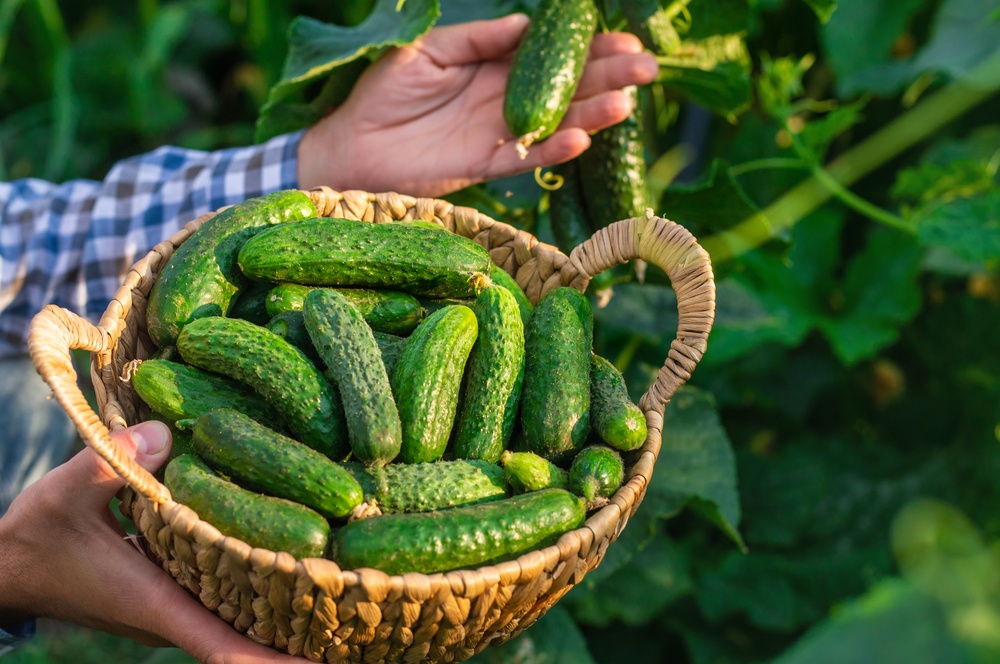
Cucumbers can turn a promising garden into a frustrating one when vines suddenly yellow, wilt, or collapse before producing much fruit. These fast-growing plants often look strong in the beginning, then quickly struggle once real garden pressures kick in. The good news is that most early cucumber problems trace back to specific, fixable mistakes or conditions. Once those issues get corrected, cucumber plants often rebound with surprising speed.
A productive cucumber patch depends on balance: water, soil health, sunlight, airflow, and pest control all work together. When even one factor falls out of sync, cucumber plants tend to show stress almost immediately. Recognizing the early warning signs helps prevent full plant failure and saves the growing season.
1. Overwatering That Drowns The Roots
Too much water often triggers the first wave of cucumber decline. Soil that stays soggy forces roots to sit in low-oxygen conditions, which leads to rot and weak growth. Leaves may turn yellow and vines may wilt even when the soil feels wet. Gardeners often assume more water fixes the problem, but that choice usually makes it worse.
Healthy cucumber roots need moisture with proper drainage, not constant saturation. Heavy soils like clay trap water around the root zone and create stress quickly. Raised beds or well-amended garden soil help prevent water from pooling. Watering deeply but less frequently encourages roots to grow stronger and deeper.
2. Underwatering That Stunts Growth
Cucumber plants react quickly when soil dries out too often. Leaves curl, growth slows, and young fruits may become bitter or misshapen. Inconsistent watering stresses the plant and interrupts fruit development. Hot weather can intensify this problem within a single afternoon.
Consistent moisture keeps cucumbers producing at a steady pace. Dry soil forces plants to shut down production and conserve energy. Drip irrigation or slow watering at the base works better than surface sprinkling. Mulch also helps lock in moisture and reduce daily evaporation.
3. Poor Pollination That Stops Fruit Development
Cucumbers rely heavily on pollinators to form healthy fruit. When bees and other insects avoid the garden, flowers may appear but never turn into cucumbers. Misshapen or tiny fruits often signal incomplete pollination. Weather swings and pesticide use can reduce pollinator activity.
Planting flowers nearby helps attract bees and improves pollination rates. Marigolds, zinnias, and basil all encourage more insect traffic around cucumber vines. Avoid spraying chemicals during bloom periods to protect pollinators. Hand-pollination can also help when natural pollination stays low.
4. Pest Pressure From Insects That Attack Early
Cucumber beetles, aphids, and squash bugs often target young plants first. These pests feed on leaves, stems, and sometimes roots, weakening the plant quickly. Yellowing leaves, holes, or sticky residue often signal an infestation. Once pests establish themselves, cucumber plants struggle to recover.
Early intervention prevents long-term damage in most cases. Row covers protect young plants before flowering begins. Insecticidal soap or neem-based treatments help control soft-bodied insects. Regular inspection under leaves catches problems before they spread.
5. Nutrient-Poor Soil That Starves The Plant
Cucumbers grow fast and demand nutrient-rich soil to support their rapid development. Poor soil leads to weak vines, small leaves, and reduced fruit production. Yellowing between leaf veins often points to a nutrient imbalance. Many gardens lose productivity when the soil lacks organic matter.
Adding compost improves soil structure and feeds the plant steadily over time. Balanced fertilizers support both vine growth and fruit formation. Over-fertilizing with nitrogen alone can cause lush leaves but few cucumbers. Soil testing helps identify what nutrients need adjustment before planting.
6. Temperature Stress That Disrupts Growth Cycles
Cucumbers prefer warm conditions but struggle when temperatures swing too far in either direction. Cold nights slow growth and can shock young plants. Extreme heat causes flowers to drop and leaves to wilt midday. These stress cycles weaken plants over time.
Consistent warmth keeps cucumber vines active and productive. Gardeners often use row covers early in the season to protect from cold snaps. Afternoon shade during extreme heat reduces stress on tender leaves. Timing planting after frost risk improves long-term plant stability.
7. Crowding And Disease That Spread Fast
Cucumber vines need space and airflow to stay healthy. Overcrowding traps moisture between leaves and creates ideal conditions for fungal diseases like powdery mildew. Spots, white coatings, and early leaf drop often follow poor spacing. Plants growing too close together also compete for nutrients and light.
Proper spacing allows air to circulate freely around each vine. Trellising lifts vines off the ground and reduces disease pressure. Removing infected leaves quickly helps slow disease spread. Crop rotation also prevents soil-borne issues from building up year after year.
Stronger Cucumbers Start With Smarter Garden Choices
Cucumber plants fail early for predictable reasons, and each one connects back to basic growing conditions. Water balance, soil health, pest control, temperature stability, and spacing all play major roles in plant success. Small adjustments in these areas often turn struggling vines into productive producers within weeks. Paying attention to early warning signs prevents most mid-season losses.
What challenges show up most often in cucumber beds, and which fixes make the biggest difference in the garden?
You May Also Like…
10 Easy Vegetables for People Who Think They Kill Every Plant
9 Vegetables That Produce the Most Food for the Least Money
Keeping Up With the Harvest: Using All Those Cucumbers
10 Vegetables That Actually Thrive During Brutal Heat Waves
The Backyard Gardening Trend That’s Exploding Across America This Summer

Brandon Marcus is a staff writer for FrugalGardening.com at District Media, Inc., where he delivers practical gardening advice with a relatable, no-nonsense style. An avid amateur gardener, he holds a BA degree and with over ten years of professional writing experience, he is also an award-winning published author whose first book, Questions For Deep Thinkers, was released by Adams Media. His work has appeared in major publications including Fandom.com, CHUD.com, TheColdWire.com, and Fansided.com.
Leave a Reply