A pollinator garden does not begin when the first bees start buzzing around in spring. The smarter move happens months earlier, when gardeners choose plants that can settle in, develop roots, and prepare for another season of flowers. Starting perennial pollinator plants now can give the garden a head start while also creating a more useful buffet for bees, butterflies, moths, and other beneficial insects.
Late summer and early fall can offer an excellent planting window for many perennials, provided the soil remains workable and the plants have enough time to establish before the ground freezes. The trick involves choosing plants that match the garden’s sunlight, soil moisture, and growing conditions rather than grabbing every pretty flower at the garden center. A little planning now can turn next spring from a sparse flower show into something much more interesting.
1. Wild Geranium Gives Spring Bees an Early Meal
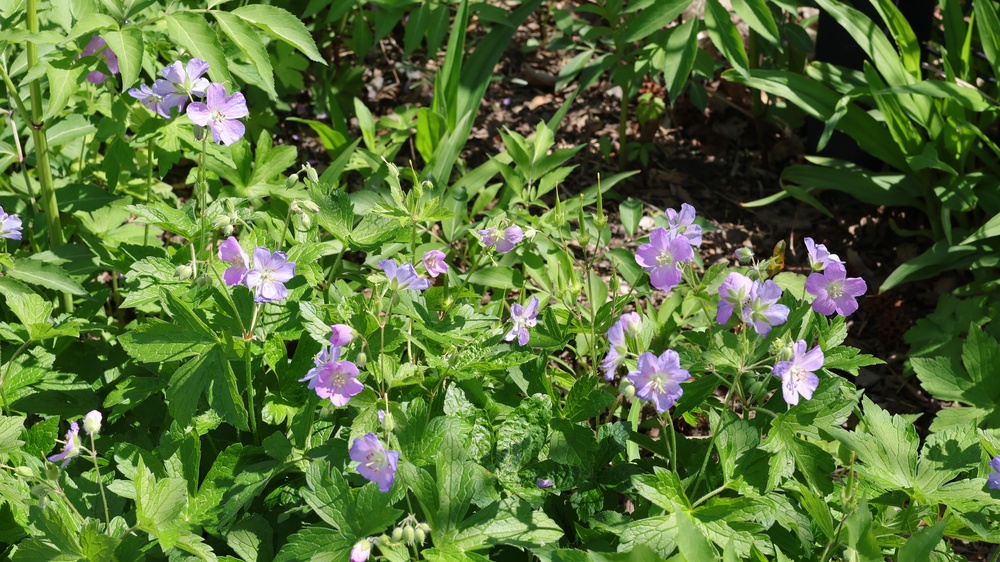
Wild geranium, Geranium maculatum, makes a terrific choice for gardeners who want pollinator activity early in the season. It produces pink flowers in spring and can handle part shade, making it especially useful beneath trees or along the edge of a garden where sun-loving flowers may struggle. Penn State lists wild geranium among native perennial choices for pollinator gardens and notes its value to native bees and bumblebees.
This plant also brings something that many pollinator gardens accidentally lack: an early-season food source. Plant it in reasonably moist, well-drained soil and give it room to form a natural-looking clump rather than treating it like a fussy bedding plant. Once established, wild geranium can help fill that awkward stretch when winter has finally packed its bags but the summer flower parade has not arrived yet.
2. Columbine Adds Flowers When the Garden Wakes Up
Native columbine, Aquilegia canadensis, deserves a spot on the short list for anyone who wants spring flowers with a little personality. Its nodding red-and-yellow blooms appear in late spring, and the unusual flower shape makes it especially attractive to hummingbirds and certain bees. Penn State includes native columbine among pollinator-friendly perennials for both sunny and partly shaded gardens.
Columbine also works beautifully in places where a gardener wants something less formal than a row of identical flowers. Give it well-drained soil and suitable light, then allow it to settle into the garden instead of expecting instant drama from a newly planted specimen. Starting plants now gives the roots time to establish before the next major growing season, although bloom timing and performance can vary with local conditions.
3. Golden Alexanders Bring Early-Spring Power
Golden Alexanders, Zizia aurea, may not have the celebrity status of coneflowers or milkweed, but that makes its usefulness easy to overlook. The native perennial produces yellow spring flowers and suits moist to wet soil, according to Penn State’s pollinator planting guidance. It can provide valuable early-season forage while other parts of the garden still look like they need a cup of coffee.
This plant makes particular sense for a low spot where ordinary perennials complain about wet feet. Plant it where the soil matches its preferences instead of trying to force it into a dry, hot bed, because even the toughest garden plan needs to respect basic plant biology. Pairing early bloomers such as golden Alexanders with later flowers creates a more continuous supply of nectar and pollen rather than one spectacular floral explosion followed by weeks of nothing.
4. Bee Balm Turns Summer Into a Pollinator Party
Bee balm, Monarda species, earns its name honestly, but bees do not get the whole show. Its tubular flowers can attract bees, butterflies, hummingbirds, and other insects, and native bee balm species such as wild bergamot can make strong additions to a pollinator planting.
Give bee balm a sunny to partly shaded location with suitable soil moisture, and prepare for a plant that may gradually spread through shallow rhizomes. That spreading habit can work beautifully in a naturalistic bed, although gardeners with tiny borders may want to give it a little more supervision. Starting it now can help establish a strong clump for future blooms, while good spacing and airflow can also reduce the chance of powdery mildew becoming the garden’s unwanted guest.
5. Purple Coneflower Brings Summer Staying Power
Purple coneflower, Echinacea purpurea, has earned its popularity for good reason. Its daisy-like flowers provide nectar and pollen for a range of pollinators, and Penn State lists it among native perennial choices for pollinator gardens. The sturdy flower heads also add structure to the garden long after the first petals appear, which makes them useful beyond their role as colorful landing pads.
Plant coneflower in full sun or a suitable partly shaded location with well-drained soil, and avoid treating it like a plant that needs constant pampering. A common mistake involves choosing heavily modified flowers solely for appearance, even though some highly manipulated blooms may offer less accessible nectar or pollen. When shopping, look for straightforward forms that provide accessible flowers rather than selecting a bloom that looks like it belongs on a wedding cake.
6. Goldenrod and Asters Keep the Buffet Open Late
Goldenrod and native asters make an especially useful pair because they help extend pollinator resources into late summer and fall. Goldenrod supplies abundant yellow flowers when many earlier perennials have finished, while asters add blue, purple, or white flowers during the same general season. Penn State notes that both groups provide important late-season resources, and goldenrod also supports larvae of native insects.
Do not let the old goldenrod allergy myth scare it out of the garden, either: goldenrod does not cause hay fever, although ragweed often blooms at the same time and takes the blame. Choose species suited to the available space because some goldenrods can spread more aggressively than others, while asters offer options for different light and soil conditions. Planting these late-season performers alongside spring bloomers creates a garden with a much longer calendar of useful flowers.
Give Next Spring a Better Starting Line
The best pollinator garden rarely relies on one superstar plant. A stronger approach combines different species, bloom periods, flower shapes, and growing conditions so that pollinators can find food throughout the season. Starting perennials now also gives gardeners a chance to think beyond flower color and consider whether a plant provides nectar, pollen, caterpillar habitat, or other useful resources.
There is another important piece of the puzzle: resist the temptation to make the garden spotless when cold weather arrives. Some beneficial insects overwinter in stems or leaf litter, while seed heads can provide food for birds. A garden that looks slightly untidy in November can become a much livelier place when spring rolls around again.
Which pollinator plant would you add to this list, and what has worked best in your garden?
You May Also Like…
Are Keystone Plants More Valuable Than a Long Pollinator List?
No‑Mow Flowering Lawns Attract Pollinators and Reduce Maintenance—Here’s How to Start
Why Are Gardeners Growing Borage for More Than Its Flowers?
Why So Many Americans Are Obsessed With Pollinator Gardens Right Now

Brandon Marcus is a staff writer for FrugalGardening.com at District Media, Inc., where he delivers practical gardening advice with a relatable, no-nonsense style. An avid amateur gardener, he holds a BA degree and with over ten years of professional writing experience, he is also an award-winning published author whose first book, Questions For Deep Thinkers, was released by Adams Media. His work has appeared in major publications including Fandom.com, CHUD.com, TheColdWire.com, and Fansided.com.
Leave a Reply