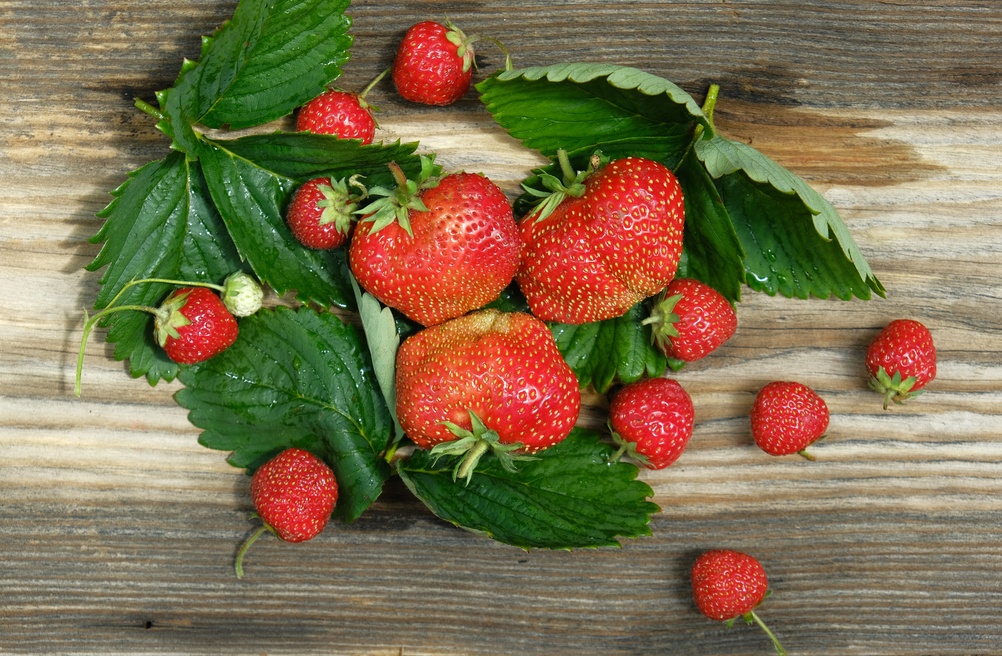
Strawberry plants can look a little rough after they finish producing berries, with tired-looking leaves, brown edges, and the general appearance of a plant that has clocked out for the season. That often leaves gardeners wondering whether those old leaves should go or whether the scissors should stay firmly in the shed.
The answer depends on what kind of strawberry plant sits in the garden and what those leaves actually look like. Removing damaged or diseased foliage can help tidy the plant and improve airflow, but cutting everything back without a plan can remove healthy leaves that the plant needs to make food and prepare next year’s flower buds.
Not Every Ugly Strawberry Leaf Needs a Haircut
After fruiting, strawberry foliage often looks less glamorous than it did in spring. Some leaves may yellow, develop brown patches, or become battered from heat, rain, insects, or the constant work of producing berries. That does not automatically make them useless, because healthy green leaves still capture sunlight and produce the sugars the plant needs for continued growth. A strawberry plant does not suddenly stop working when the last berry disappears from the bowl.
Instead of giving the entire plant a buzz cut, inspect the foliage closely. Remove leaves that have clearly died, developed significant disease symptoms, or suffered severe damage, and leave healthy green leaves in place. A pair of clean scissors or hand pruners makes the job easy, especially when the goal involves removing individual problem leaves rather than chopping the plant down wholesale.
June-Bearing Strawberries Need a Different Approach
June-bearing strawberries produce one main crop, usually over a relatively short period in late spring or early summer, and then spend the rest of the growing season preparing for the next one. For established plants, gardeners can renovate the patch after harvest, which may include mowing or cutting back foliage and thinning overcrowded plants. This approach works because these strawberries set their flower buds for the following season during late summer and early fall. Removing old foliage soon after harvest gives the plants time to produce fresh leaves before they enter their next important growth phase.
Timing matters here, because renovation should follow the harvest rather than happen whenever the foliage looks messy. A gardener should also avoid cutting so low that the crown, the short central stem where leaves and roots meet, gets damaged. After trimming, watering, feeding according to soil needs, and controlling weeds can help the plants produce healthy new foliage for the remainder of the season.
Ever-Bearing and Day-Neutral Plants Deserve More Restraint
Ever-bearing and day-neutral strawberries do not follow exactly the same schedule as June-bearing varieties. They can produce flowers and fruit over a longer portion of the growing season, so aggressive cutting can remove productive foliage and interfere with ongoing flower and fruit production. These plants usually benefit more from selective cleanup than a full post-harvest haircut. Think surgical scissors, not lawn mower.
Start by removing dead, badly damaged, or obviously diseased leaves while leaving vigorous green foliage attached. The same rule applies if a plant still carries flowers or developing fruit, because those leaves continue to support the plant while it produces that crop. Gardeners should also check the plant’s variety before deciding on a major renovation, since a technique that makes sense for a June-bearing patch can make considerably less sense for a day-neutral bed.
Runners Can Turn a Strawberry Patch Into a Jungle
Old leaves are not the only thing competing for attention after strawberry harvest. Many strawberry plants produce runners, those long stems that reach across the soil and produce tiny daughter plants at their ends. Runners can help gardeners expand a strawberry patch, but they can also turn a neat row into something resembling a botanical traffic jam if every runner gets to claim territory.
If new plants are not needed, trim unwanted runners near the mother plant rather than allowing them to drain resources while they establish themselves. If replacement plants are useful, gardeners can allow selected runners to root where they want new plants, then separate established daughter plants according to the variety’s recommended propagation practices. Keeping runners under control also makes it easier to inspect the crowns, remove weeds, apply mulch, and spot disease before the patch becomes a tangled green mystery.
A Little Cleanup Goes a Long Way
The best post-fruiting strawberry cleanup does not aim for perfection. It aims for healthy plants, good airflow, manageable growth, and enough foliage to keep the plant productive. Remove dead and diseased leaves, control unwanted runners, and consider renovation for June-bearing varieties after the main harvest. For ever-bearing and day-neutral strawberries, selective pruning usually makes more sense because the plants can continue producing flowers and fruit.
There is also no prize for making a strawberry bed look perfectly manicured. A few imperfect leaves do not doom next year’s berries, while an overly enthusiastic pruning session can create an entirely avoidable problem. Give the plants a thoughtful inspection, remove what genuinely needs to go, and leave the healthy foliage alone when it still serves a purpose. In strawberry gardening, restraint can prove just as useful as a sharp pair of pruners.
How do you handle your strawberry plants after the final berries of the season, and have you found that pruning improves your next crop? Share your strawberry-growing tips and experiences in the comments.
You May Also Like…
5 Ways to Stabilize Pepper Plants Loaded With Fruit
8 Backyard Fruits No One Knows You Can Grow in Small Spaces
10 Fruits to Preserve While They’re at Peak Flavor
Why Overripe Fruits Invite More Fall Pests
The One Mulch That Protects Strawberry Beds Better Than Plastic

Brandon Marcus is a staff writer for FrugalGardening.com at District Media, Inc., where he delivers practical gardening advice with a relatable, no-nonsense style. An avid amateur gardener, he holds a BA degree and with over ten years of professional writing experience, he is also an award-winning published author whose first book, Questions For Deep Thinkers, was released by Adams Media. His work has appeared in major publications including Fandom.com, CHUD.com, TheColdWire.com, and Fansided.com.
Leave a Reply