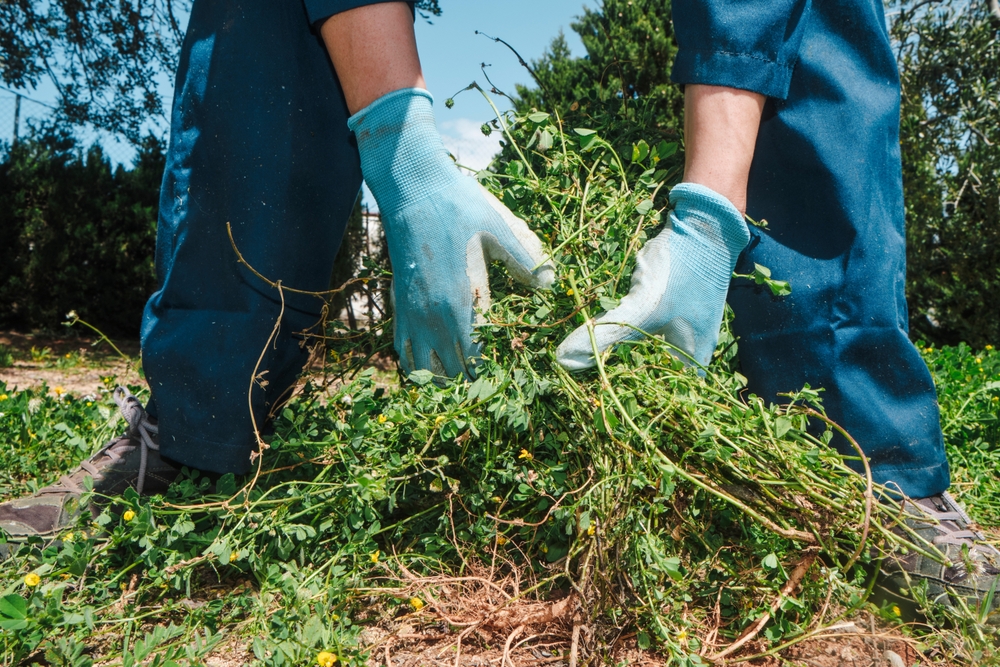
Weeds. Those sneaky, green invaders that seem to spring up overnight, turning your perfectly manicured garden into a chaotic jungle. But what if we told you that some of your gardening habits might actually be giving these unruly plants a VIP pass to your yard? Yes, you might be unknowingly rolling out the red carpet for them. From overzealous watering to soil mismanagement, the ways we help weeds thrive can be surprising. Strap in, because we’re about to expose the sneaky ways your garden might be aiding the enemy.
Watering The Wrong Way Can Backfire
Many gardeners believe that watering frequently is always a good thing, but it’s not that simple. Overwatering creates damp, fertile soil that weeds love just as much as your beloved flowers. Shallow roots in weeds allow them to absorb water faster than deep-rooted plants, giving them a growth advantage. Alternating between overwatering and drought can stress your plants while letting weeds take over. Adjusting your watering habits could be the secret weapon in reclaiming your garden.
Mulch Missteps Can Invite Trouble
Mulch is meant to suppress weeds, but it can do the opposite if used incorrectly. Organic mulches like straw or bark may carry weed seeds if not properly sourced or treated. Applying mulch too thinly or unevenly allows light to penetrate, giving weed seeds a chance to sprout. Certain mulches can also retain too much moisture, creating an ideal environment for weeds to flourish. Learning the right mulch depth and type can dramatically reduce these green intruders.
Fertilizer Isn’t Always Your Friend
Feeding your garden is essential, but the way you fertilize can inadvertently favor weeds. Many weeds are aggressive feeders and will outcompete garden plants when nutrients are abundant. Broadcast fertilizing spreads nutrients everywhere, including the gaps where weeds are lurking. Fertilizers high in nitrogen particularly encourage leafy, fast-growing weeds. Targeted feeding for your desired plants helps level the playing field and keeps weeds from gaining an upper hand.
Ignoring Soil Health Can Cost You
Healthy soil is the foundation of a thriving garden, yet many gardeners overlook it. Compacted or poor-quality soil stresses garden plants while giving weeds an easy start. Some weeds thrive in nutrient-poor or acidic soil, so ignoring soil testing can play straight into their hands. Aeration, amendments, and pH balancing are simple strategies that make your soil less hospitable to weeds. Investing in soil health pays off with stronger plants and fewer uninvited guests.
Pruning And Deadheading Mistakes Spread Seeds
Trimming plants is a great way to keep gardens tidy, but improper pruning can help weeds propagate. Some weeds produce seeds on cut stems that are easily dispersed when tossed carelessly into the compost. Deadheading flowers without checking nearby weeds can also unintentionally scatter seeds across your garden. Leaving plant debris too close to garden beds can provide a protected space for weeds to sprout. A little extra care in pruning and disposal can save countless hours of weeding later.
Lawns Are Silent Weed Magnets
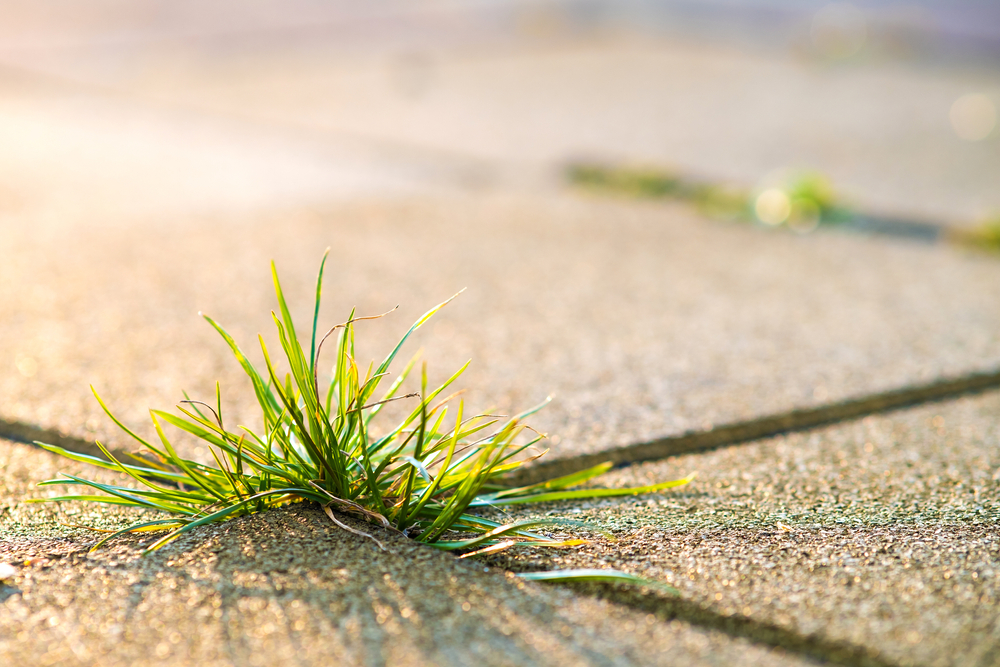
A perfect lawn is hard to maintain, and unintentional mistakes often invite weeds. Mowing too short weakens grass and exposes soil, giving weeds plenty of sunlight to germinate. Skipping fertilization or overseeding creates gaps where weeds can sneak in. Even foot traffic or pet activity can compact soil, encouraging weeds over grass. Proper lawn care practices ensure grass thrives, leaving weeds with fewer opportunities to invade.
Timing Your Garden Work Matters
Gardening isn’t just about what you do, but when you do it. Disturbing soil at the wrong time of year can bring dormant weed seeds to the surface. Early spring and late fall are particularly tricky because many weed seeds are ready to sprout. Planting new flowers or vegetables without considering the seasonal growth of weeds may lead to surprise infestations. Understanding the timing of your garden work helps you get ahead of weed growth instead of constantly playing catch-up.
Natural Predators And Companion Planting
Mother Nature can be your ally in the fight against weeds, but only if used strategically. Certain plants, like clover, can crowd out weeds by shading soil and competing for nutrients. Attracting insects and wildlife that nibble on young weeds also reduces unwanted growth. Ignoring these natural relationships can give weeds free reign. Incorporating companion planting and beneficial species creates a self-regulating ecosystem that favors your garden over weeds.
Tools And Techniques That Make A Difference
The way you physically tackle weeds matters more than many gardeners realize. Hand-pulling weeds can be effective, but if roots are left behind, weeds will return stronger. Using proper tools like hoes or weeders helps remove roots without disturbing surrounding plants. Mulching, covering, and targeted cultivation can dramatically reduce weed populations over time. Combining these strategies consistently can transform your garden from a weed haven to a flourishing paradise.
Observing And Adapting Is Key
Finally, the most important tactic may be simply paying attention. Gardens are dynamic, and what works one year may not work the next. Observing which areas are weed-prone, what types of weeds appear, and how your plants respond allows you to adapt your approach. Experimenting with different techniques and documenting results can save frustration and time. Being proactive rather than reactive puts you firmly in control of your garden’s destiny.
Take Back Control Of Your Garden
Weeds may seem relentless, but with knowledge and intentional gardening practices, you can tip the scales in your favor. Understanding how your actions might unintentionally support weeds is the first step toward a thriving, weed-minimized garden. From watering to mulch choices, fertilizer to soil health, every detail counts. Small adjustments in daily habits can make a huge difference over time.
Let us know your experiences or strategies in the comments section below—we’d love to hear what’s worked (or hilariously failed) in your garden battles.
You May Also Like…
9 Edible Weeds That Pop Up in September
Killing Weeds with Diesel? Here’s What You Need to Know First
10 Garden Tasks That Prevent Spring Weeds
9 Edible Weeds That Pop Up in September
The Mulch Trick That Saves Water and Fights Weeds

Brandon Marcus is a staff writer for FrugalGardening.com at District Media, Inc., where he delivers practical gardening advice with a relatable, no-nonsense style. An avid amateur gardener, he holds a BA degree and with over ten years of professional writing experience, he is also an award-winning published author whose first book, Questions For Deep Thinkers, was released by Adams Media. His work has appeared in major publications including Fandom.com, CHUD.com, TheColdWire.com, and Fansided.com.
Leave a Reply