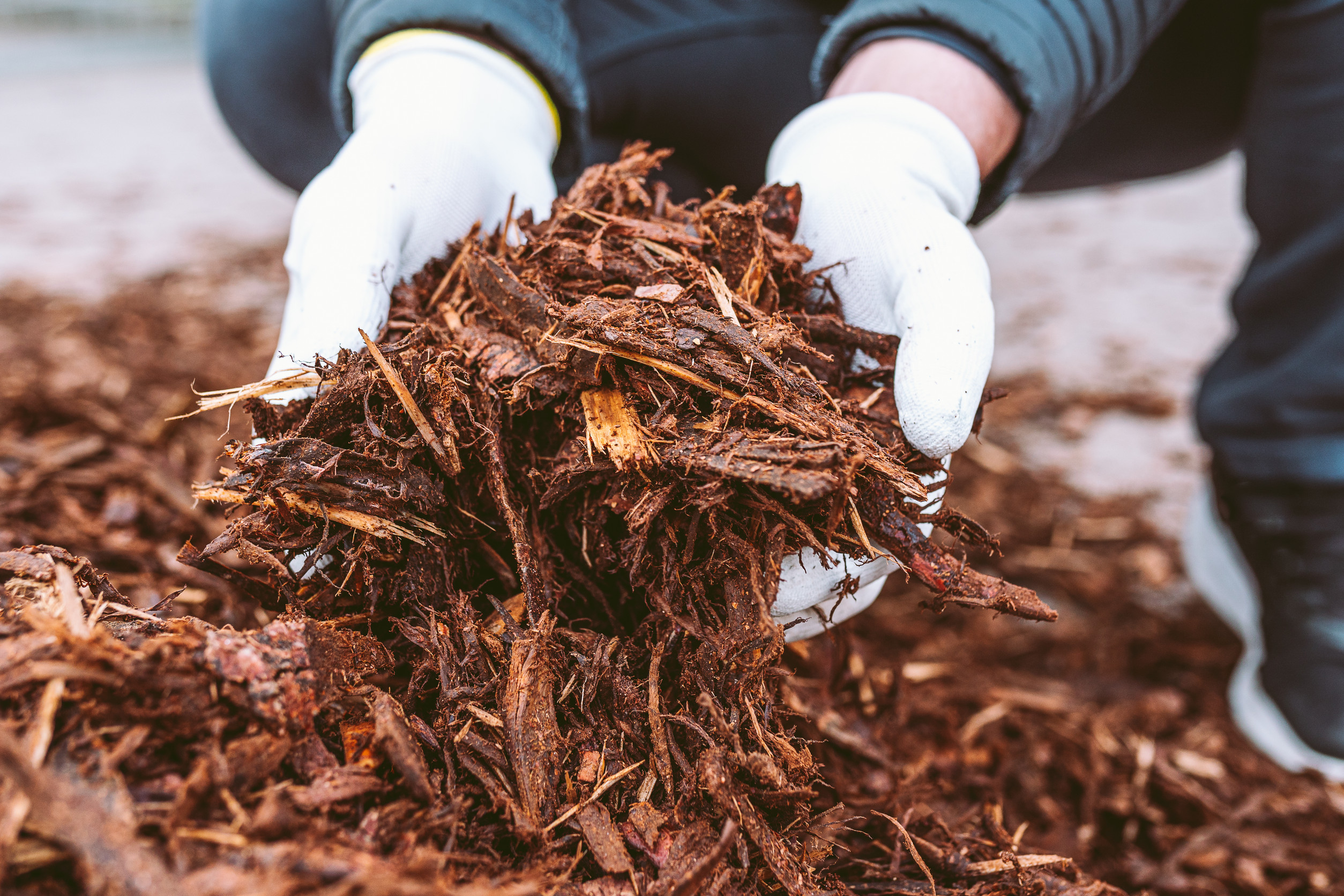
Gardens everywhere have a not-so-secret hero that works harder than most people realize. It’s not fancy fertilizer, it’s not high-tech irrigation, and it’s definitely not some rare seed that costs a fortune. The trick is mulch, and it’s one of the simplest ways to transform a struggling garden into a thriving one.
Mulch isn’t just a pretty cover for soil—it’s a double-duty powerhouse that locks in moisture and shuts out weeds. When used correctly, it’s the kind of trick that makes gardening less about sweat and more about results.
Why Mulch Works Like Magic
Mulch acts like a shield over soil, keeping the sun from baking it dry. This protective layer slows down evaporation, meaning plants stay hydrated longer with less watering. It also blocks weed seeds from getting the sunlight they need to sprout. Instead of fighting weeds all season, mulch makes sure they never get the chance to grow. That’s why gardeners often say mulch doesn’t just cover the ground—it covers their workload too.
The Moisture-Saving Secret
Water is precious, and in many regions, it’s also expensive. Mulch helps soil hold onto every drop by reducing surface evaporation. It creates a cooler, more stable environment underground where roots can relax and thrive. Even during hot spells, mulched soil stays damp longer than bare ground. This means less time spent dragging hoses and more time enjoying the garden.
A Natural Weed Warrior
Weeds are relentless, but mulch makes the battlefield uneven. With a thick enough layer, most weeds can’t push through to the surface. The few that manage to sneak in are much easier to pull because their roots are shallow. Mulch essentially starves weeds of sunlight and space. For gardeners, that means less bending, less pulling, and more energy saved.
Choosing the Right Mulch
Not all mulch is created equal, so picking the right type matters. Organic options like wood chips, bark, straw, or shredded leaves feed the soil as they break down. Inorganic mulches, such as gravel or rubber, last longer but don’t improve soil health. Each type has its own strengths depending on the look and function a gardener wants. Matching mulch to the plants and climate is the secret to maximizing results.
How Thick Is Thick Enough
One of the biggest mulch mistakes is spreading too little. A skimpy layer won’t hold back weeds or keep soil moist the way it should. About two to four inches is usually the sweet spot for most garden beds. Too much, however, can smother roots and cause problems with drainage. The goal is coverage that’s firm but breathable, giving plants the best balance of protection and airflow.
Mulch and Soil Health
As organic mulch breaks down, it enriches the soil beneath it. The slow release of nutrients supports stronger, healthier plants without the need for heavy fertilization. This natural process also encourages beneficial insects and microbes to thrive. The result is a living, breathing ecosystem right under the garden’s surface. With mulch in place, soil becomes more fertile and resilient over time.
Seasonal Mulching Tips
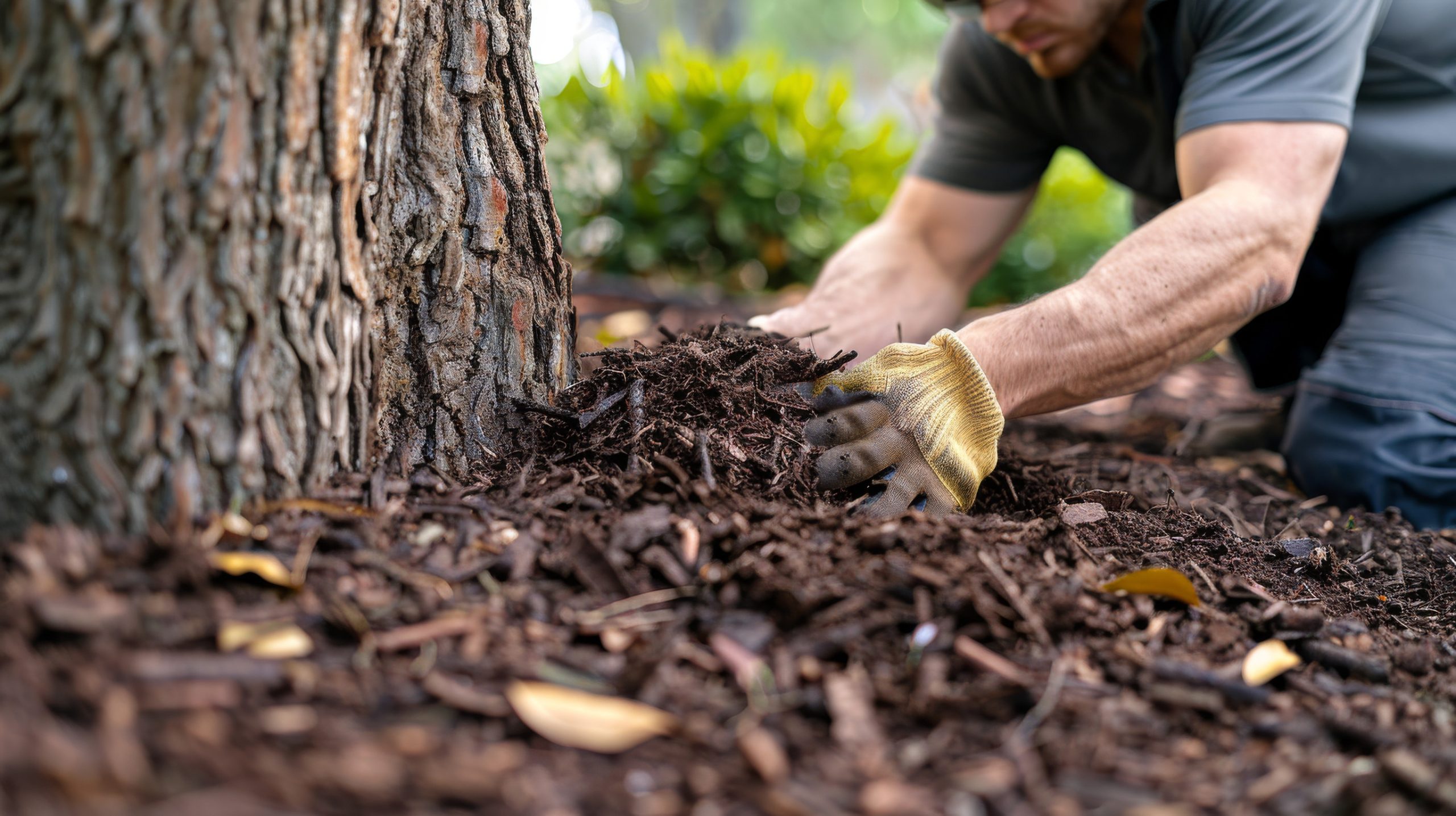
Mulching isn’t just a one-time task but a year-round strategy. In spring, it preps the soil for planting while holding onto moisture as temperatures rise. Summer mulch keeps the ground cool and prevents heat stress on roots. Fall is a chance to refresh beds and add insulation before winter cold sets in. By thinking seasonally, mulch can work year-round as a protective partner in the garden.
The Aesthetic Bonus
Beyond its practical powers, mulch also makes gardens look polished and complete. A well-mulched bed has neat lines and a clean finish that frames plants beautifully. Whether using dark bark for contrast or straw for a rustic feel, mulch adds visual impact. It ties a garden together in a way that looks intentional and professional. The bonus is that this curb appeal comes with serious functional benefits too.
Common Mulch Myths
Some people think mulch attracts pests, but the truth is that healthy soil life balances everything out. Others worry mulch robs nitrogen, which only happens if fresh wood chips are mixed directly into soil. Many also assume mulch is only for flower beds, but it’s just as powerful in vegetable patches and orchards. A big myth is that mulch is high-maintenance, when in reality, it saves work in the long run. Busting these myths shows mulch for what it really is—a simple tool with outsized benefits.
The Long-Term Payoff
Mulch is not a quick fix but a steady investment in a healthier garden. Over seasons, it improves soil texture, saves gallons of water, and reduces back-breaking weed control. The return is lower maintenance, higher yields, and less stress for gardeners. Even small spaces see big differences after a few cycles of consistent mulching. It’s one of the rare gardening tricks where the benefits just keep stacking up.
Let Mulch Do the Heavy Lifting
Mulch is proof that simple solutions can be game changers in the garden. It saves water, fights weeds, enriches soil, and makes every bed look sharp. For those wanting less work and better results, mulch is the clear choice. Try it out this season and watch how much easier gardening becomes.
What’s your favorite mulch tip or trick? Share your thoughts in the comments below.
You May Also Like…
Using Shredded Paper As Garden Mulch
10 Hidden Dangers Lurking in Your Backyard Mulch
Low-Cost Mulching Options for Weed Control and Soil Health
7 Low-Maintenance Flowers That Thrive With Little Water
The Benefits of Professional Water Cartage Services for Residential and Commercial Needs

Brandon Marcus is a staff writer for FrugalGardening.com at District Media, Inc., where he delivers practical gardening advice with a relatable, no-nonsense style. An avid amateur gardener, he holds a BA degree and with over ten years of professional writing experience, he is also an award-winning published author whose first book, Questions For Deep Thinkers, was released by Adams Media. His work has appeared in major publications including Fandom.com, CHUD.com, TheColdWire.com, and Fansided.com.
Leave a Reply