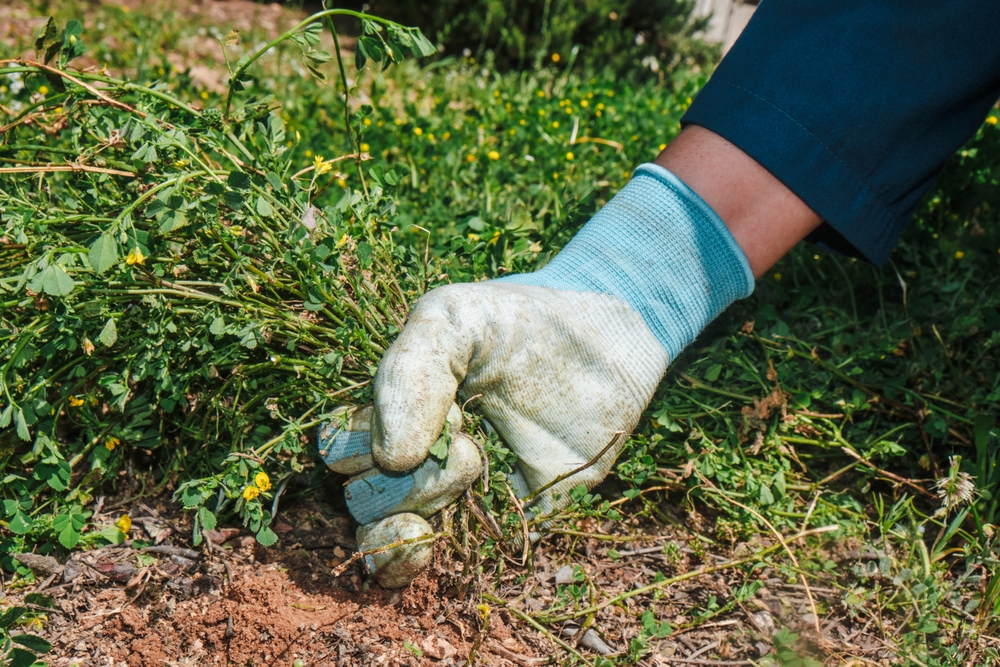
Spring is supposed to be about blooms, sunshine, and fresh starts—not a battlefield of weeds determined to turn your garden into a jungle. But every gardener knows the truth: those sneaky green invaders don’t take a vacation. They lie in wait all winter, ready to burst forth the second you relax. The good news? You can outsmart them before they even get started.
With a little prep and a few smart moves, you can enjoy a cleaner, healthier garden and spend less time pulling weeds when the warm weather hits. Let’s dig into ten garden tasks that stop weeds in their tracks.
1. Clean Up Winter Debris Early
Before the first daffodil blooms, your garden is probably full of fallen leaves, twigs, and leftover mulch. All that debris acts like a cozy blanket for weed seeds, keeping them safe until it’s time to sprout. By cleaning up early, you’re removing their protective layer and exposing those seeds to the elements. The freeze-thaw cycle and sunlight will do the rest, killing off many before they germinate. Think of it as setting the stage for a smoother, weed-free spring performance.
2. Refresh and Rebalance Your Soil
Healthy soil doesn’t just grow plants—it also discourages weeds. After winter, soil can become compacted or unbalanced, which gives weeds a competitive edge. Loosen your soil and mix in compost to improve texture, water flow, and nutrient balance. Weeds tend to thrive in neglected soil, so by enriching yours, you’re giving your preferred plants a stronger start. A little attention now can stop opportunistic weeds from taking advantage later.
3. Lay Down a Pre-Emergent Barrier
If you’re serious about cutting down on weeds, a pre-emergent herbicide or organic corn gluten meal can be your secret weapon. These prevent weed seeds from germinating without harming established plants. The key is timing: apply before soil temperatures reach the germination sweet spot—usually when the forsythia blooms. Think of it like locking the door before the party crashers arrive. Done right, this one step can save you hours of hand-weeding come May.
4. Add a Fresh Layer of Mulch
Mulch isn’t just for looks—it’s one of your best allies against weeds. A thick, fresh layer blocks sunlight, smothers weed seeds, and helps your soil retain moisture. Aim for about two to three inches of mulch, but keep it a few inches away from plant stems to avoid rot. Organic mulch also breaks down over time, enriching your soil naturally. It’s like giving your garden both a fashion upgrade and a functional shield at the same time.
5. Edge Your Beds Like a Pro
Weeds love to creep in from the edges, using lawns and walkways as entry points. By defining crisp, clean edges around your flower beds, you’re creating a physical barrier they have to work harder to cross. Use a spade or edging tool to carve out neat lines and reinforce them with metal or plastic edging if needed. Not only does it look fantastic, but it also helps contain mulch and keeps your beds tidy. Good edging is one of those small details that makes your garden look effortlessly polished—and weed-free.
6. Water Smart, Not Hard
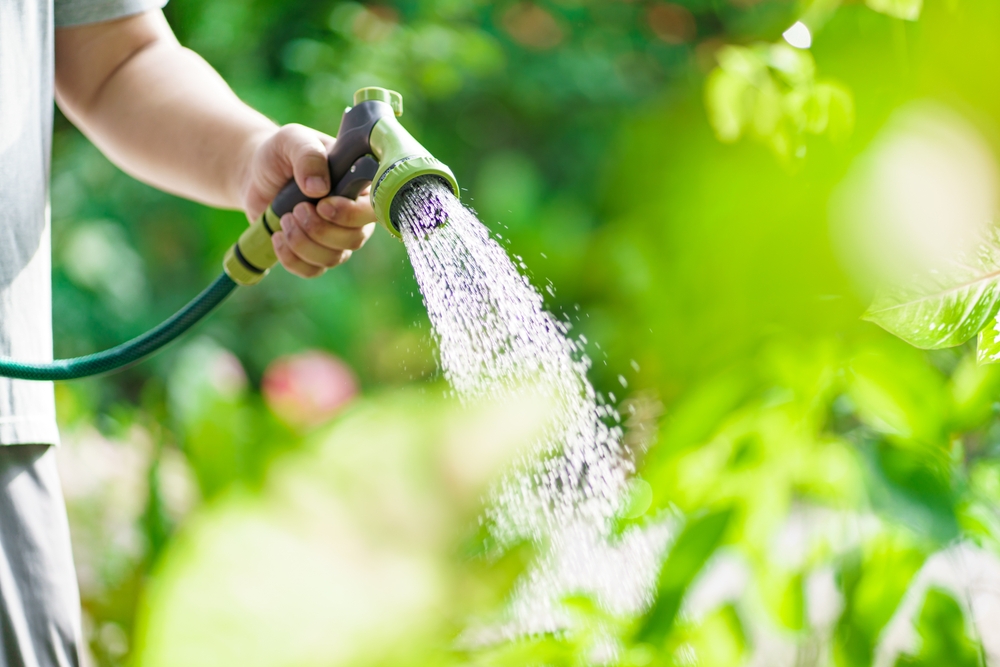
Overwatering isn’t just wasteful—it can make weeds thrive. Weeds love damp, over-saturated soil, especially in bare spots where water pools. By watering deeply but less frequently, you encourage your plants to develop deep, strong roots while starving shallow-rooted weeds. Drip irrigation or soaker hoses make it easier to target your plants directly without feeding unwanted sprouts. A smart watering schedule keeps your garden healthy and weeds frustrated.
7. Plant Ground Covers Strategically
Bare soil is a weed’s dream vacation spot. The more open space you have, the more opportunity they have to take root. Enter ground covers—low, dense plants like creeping thyme or sedum that smother weeds while adding color and texture. They act as living mulch, preventing weed seeds from finding sunlight or space to grow. Bonus: they look stunning, smell amazing, and cut down on maintenance all season long.
8. Turn Compost Carefully
Composting is a gardener’s best friend, but if you’re not careful, it can also become a weed seed factory. Weed seeds can survive in compost that doesn’t reach high enough temperatures, meaning you might be spreading them right back into your garden. Make sure your compost pile heats up properly—at least 140°F—to kill any unwanted guests. Turn it regularly to distribute heat and maintain oxygen flow. When used correctly, compost is pure gold; when neglected, it’s an invitation for weeds to thrive.
9. Repair Bare Patches in Lawns and Beds
Those innocent-looking bald spots in your lawn or garden beds? They’re basically open invitations for weeds to move in. Fill them early in the season with grass seed, ground cover, or mulch to deny weeds the space they crave. A dense, healthy lawn and full garden bed naturally crowd out unwanted plants. You’ll notice fewer dandelions and crabgrass patches if you stay ahead of this game. Treat empty soil like prime real estate—don’t let weeds be the ones to claim it.
10. Stay Consistent With Maintenance
The final secret to preventing spring weeds is consistency. Pull small weeds the moment you spot them before they flower or spread seeds. Spend ten minutes a week inspecting your garden instead of hours later trying to reclaim it. The more proactive you are early in the season, the less effort you’ll need as summer rolls around. Consistency turns weeding from a dreaded chore into a manageable habit—and gives you the upper hand all year long.
Win the Weed War Before It Starts
Every gardener dreams of lush blooms without the endless tug-of-war with weeds, and the trick is all in the timing. By tackling these simple garden tasks early, you’re setting your landscape up for an easier, more enjoyable season. Don’t wait until the first weed appears—take control now and make spring a celebration of growth, not frustration.
Have your own tricks for keeping weeds at bay? Share your thoughts, stories, or favorite weed-fighting tactics in the comments below.
You May Also Like…
9 Edible Weeds That Pop Up in September
5 Fall Weeds You Should Pull Immediately
6 Bulbs to Plant Now for a Spring Surprise
9 Weeds That Spread Toxic Pollen Without Warning
6 Gardening Shortcuts That Only Work in Autumn

Brandon Marcus is a staff writer for FrugalGardening.com at District Media, Inc., where he delivers practical gardening advice with a relatable, no-nonsense style. An avid amateur gardener, he holds a BA degree and with over ten years of professional writing experience, he is also an award-winning published author whose first book, Questions For Deep Thinkers, was released by Adams Media. His work has appeared in major publications including Fandom.com, CHUD.com, TheColdWire.com, and Fansided.com.
Leave a Reply