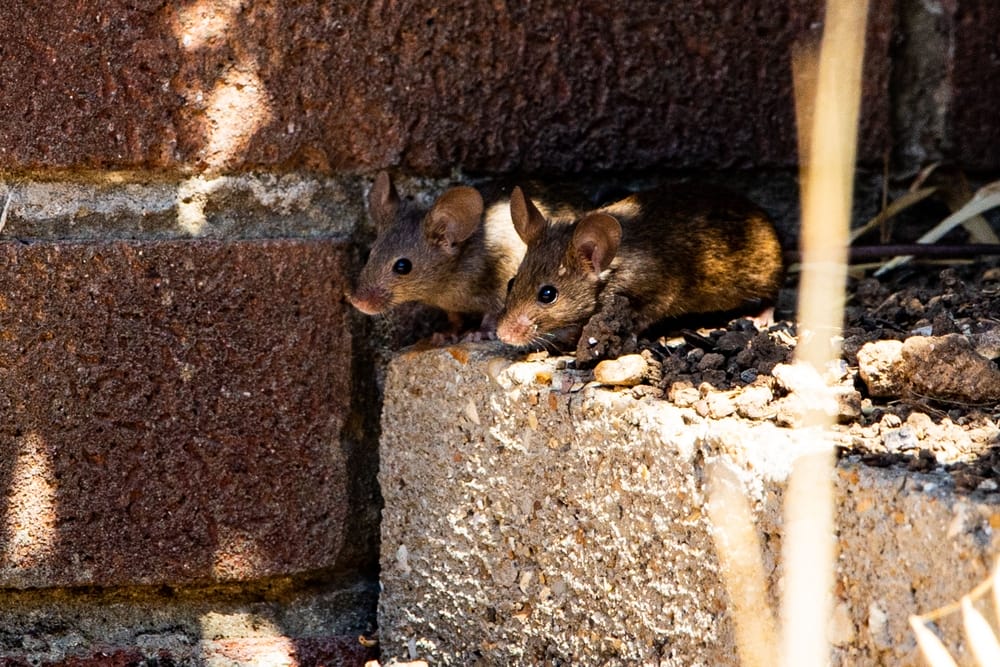
Autumn is magical—crisp air, colorful leaves, and the smell of pumpkin spice drifting through the neighborhood. But as gardeners admire the seasonal beauty, an uninvited guest is often preparing a grand entrance: rodents. Mice and rats suddenly seem everywhere, sneaking through fallen leaves, nibbling on vegetables, and exploring compost heaps with alarming determination. While it might feel like your garden turned into a rodent playground overnight, there are real biological and environmental reasons why this happens.
Understanding why rodent populations spike in autumn can help gardeners stay one step ahead—and maybe save a few squash or carrots in the process.
Rodents Prepare For Winter Survival
As the temperatures drop, rodents instinctively start preparing for the cold months ahead. Food becomes a top priority, and autumn gardens are overflowing with tempting fruits, nuts, and vegetables. Mice and rats are natural hoarders, often storing up food to survive the scarcity of winter. Gardens with abundant produce act like an all-you-can-eat buffet, making them irresistible. This instinct to stock up leads to increased activity and visibility, which is why suddenly your garden seems like a rodent hotspot.
Fallen Leaves And Ground Cover Provide Perfect Hiding Spots
Autumn brings a beautiful blanket of fallen leaves, but for rodents, it’s like an invitation to move in. Leaves create hidden pathways and shelters, giving mice and rats places to explore without being seen by predators. Piles of mulch, compost, and garden debris add extra cover, turning your garden into a rodent-friendly maze. These hiding spots not only provide safety but also warmth, which is crucial as the weather cools. Essentially, autumn’s natural décor doubles as a rodent playground.
Ripening Fruits And Vegetables Act As Rodent Magnets
Seasonal fruits and vegetables are not just a treat for humans—they’re a magnet for hungry rodents. Apples, pumpkins, squash, and berries attract mice and rats with their sweet smell and easy accessibility. Unlike in other seasons, food is plentiful and requires less effort to find, so rodents spend more time in gardens. Fallen or rotting produce is especially tempting because it requires no work to eat. Gardeners who notice a sudden increase in gnawed vegetables are seeing this behavior in action.
Shorter Days Trigger Increased Rodent Activity
As autumn progresses, daylight hours shrink, and the days become noticeably shorter. Rodents are highly sensitive to changes in light and temperature, which trigger increased foraging behavior. With longer nights and cooler weather, they venture out earlier and stay active longer in search of food. This is why nocturnal rodent activity often feels amplified in autumn gardens. Essentially, the change in daylight signals rodents that it’s time to step up survival preparations.
Garden Structures And Storage Areas Provide Shelter Opportunities
Sheds, greenhouses, and stacked firewood become prime real estate for rodents in autumn. These structures offer warmth, protection, and a place to build nests as outdoor temperatures decline. Rodents will often enter homes through gaps near these garden buildings, further increasing the perception of a spike in activity. Even compost bins can become temporary homes when temperatures drop, providing both shelter and a ready food supply. Being aware of these structures is essential for gardeners trying to protect their harvest.
Increased Breeding Activity Boosts Population Numbers
Autumn isn’t just about food and shelter—rodents are biologically inclined to reproduce during this season. Mice, in particular, can have multiple litters before winter, taking advantage of abundant resources. Even a small population can expand rapidly when conditions are favorable. This natural reproductive surge ensures that rodent numbers peak just as gardeners are harvesting their late-season crops. Understanding this breeding cycle helps explain why a few sightings can suddenly turn into a full-blown rodent invasion.

Human Activity Can Accidentally Encourage Rodents
Gardening practices themselves can inadvertently attract rodents in autumn. Leaving piles of leaves, compost, or unharvested crops around the garden provides both food and shelter. Bird feeders, while helpful for feathered friends, can spill seeds onto the ground that rodents love. Even poorly stored garden equipment or firewood can act as a launching pad for rodent exploration. By recognizing the ways our activities intersect with rodent instincts, gardeners can take small steps to reduce their garden’s appeal.
Keep Your Garden Rodent-Free
Autumn garden beauty comes with its challenges, and the surge in rodent activity is one of the most common. Understanding why rodents become more visible—whether it’s due to winter preparation, abundant food, or hidden shelter—can help gardeners anticipate problems and act proactively. Simple awareness, combined with strategic actions, can make a huge difference in protecting your plants and produce.
Have you experienced a sudden rodent spike in your garden? Share your stories, tips, or frustrations in the comments section below.
You May Also Like…
How to Protect Root Crops From Hungry Rodents
Why Overripe Fruits Invite More Fall Pests
9 Fall Garden Pests That Arrive Out of Nowhere
How to Spot Hidden Disease in Your Compost Pile Before It Spreads
Why Plant Dormancy Is Triggered in Autumn

Brandon Marcus is a staff writer for FrugalGardening.com at District Media, Inc., where he delivers practical gardening advice with a relatable, no-nonsense style. An avid amateur gardener, he holds a BA degree and with over ten years of professional writing experience, he is also an award-winning published author whose first book, Questions For Deep Thinkers, was released by Adams Media. His work has appeared in major publications including Fandom.com, CHUD.com, TheColdWire.com, and Fansided.com.
Leave a Reply