One minute your fall garden is bursting with pumpkins, mums, and kale that could make a farmer’s market jealous. The next, it looks like a buffet line for uninvited guests with six legs and bad manners. Fall may be cooler and calmer than summer, but don’t let that crisp air fool you—pests are still lurking, waiting for their chance to snack on your hard work. These sneaky intruders seem to appear out of thin air, right when you thought it was safe to relax.
Let’s meet the nine most notorious fall garden pests that crash the party without an invitation—and learn how to catch them before they turn your autumn paradise into a war zone.
1. Aphids: The Tiny Vampires of the Veggie Patch
You’ll never see them coming—aphids are masters of stealth. One day your kale and Brussels sprouts look flawless, and the next they’re sticky, curled, and covered in these tiny green or black freeloaders. Aphids suck the life out of plants by feeding on sap, leaving behind a shiny residue called honeydew that attracts ants. These pests multiply faster than you can say “pumpkin spice latte,” so catching them early is key. A strong spray of water or a few ladybugs as reinforcements can help evict these unwanted guests before they overrun your autumn greens.
2. Cabbage Loopers: The Sneaky Leaf Chewers
If your cabbage or broccoli suddenly looks like it’s been attacked by a hole punch, you can thank cabbage loopers. These light green caterpillars are the ninjas of the garden, blending in perfectly with leaves and munching away when no one’s looking. They start small but grow quickly, leaving behind shredded leaves and tiny droppings that give away their presence. Loopers thrive in the cooler months, especially on brassicas like kale and collards. Check the undersides of leaves often, and don’t be afraid to introduce some beneficial wasps to keep them in check.
3. Slugs and Snails: The Slimy Night Crawlers
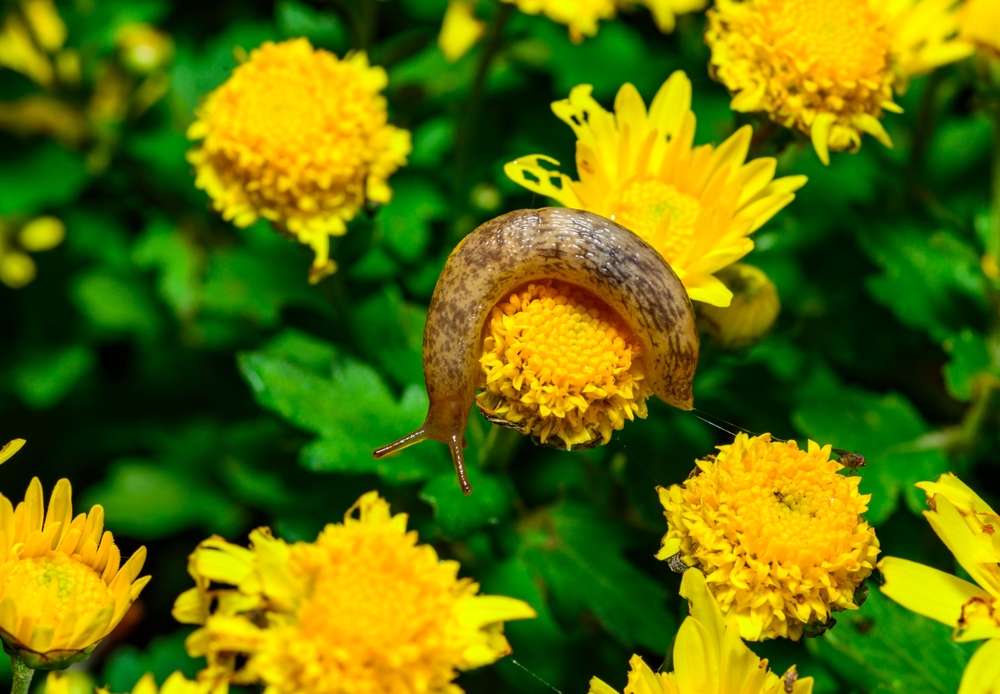
Rainy fall weather brings out these slippery saboteurs in full force. Slugs and snails hide under mulch, rocks, and pots during the day, then slither out at night to feast on tender greens and flower petals. The telltale sign? Irregular holes and shiny trails that look like someone spilled glitter glue on your plants. While they may seem slow, these pests can devastate a bed of lettuce overnight. Beer traps, crushed eggshells, or early morning handpicking can keep your garden from becoming their midnight buffet.
4. Stink Bugs: The Unwanted House Guests
Stink bugs don’t just arrive—they invade. These shield-shaped nuisances love fall’s mild weather and your ripening tomatoes or peppers. They pierce fruit with their straw-like mouths, leaving behind ugly, sunken spots that ruin your harvest. When disturbed, they release their infamous odor—a pungent reminder of their stubborn persistence. They’re not easy to eliminate, but sealing entry points around your garden and house can help prevent these odorous invaders from turning your property into their fall hideout.
5. Cutworms: The Silent Plant Assassins
Imagine waking up to find your young seedlings mysteriously chopped at the base, like a crime scene with no witnesses. That’s the handiwork of cutworms. These fat, grayish caterpillars hide in the soil during the day and sneak out at night to “cut down” tender plants. They’re especially fond of late-season crops like lettuce and spinach, slicing through stems as if they’re getting paid for it. To stop them, try collars made of cardboard around seedlings or tilling the soil to disturb their hiding spots before planting.
6. Spider Mites: The Microscopic Menace
You might not see them, but you’ll definitely see what they leave behind—fine webbing, yellowing leaves, and a sad, droopy garden. Spider mites thrive in dry conditions, which often sneak up during crisp fall days. They’re small enough to ride the breeze between plants, spreading chaos like tiny, dusty cowboys.
Once they settle in, they can suck the moisture and nutrients right out of your favorite ornamentals. A good misting, neem oil, or introducing predatory mites can help send them packing before they take over your fall display.

7. Earwigs: The Creepy Nighttime Nibblers
Earwigs look like something out of a horror movie with their pincers and stealthy movements, but they’re more mischievous than menacing. They love damp, shady areas and come out at night to nibble on soft leaves, flowers, and even fruits. In small numbers, they’re actually helpful—eating aphids and decaying matter—but when they multiply, they become destructive.
The problem is they seem to appear overnight, like they teleported from the compost pile. Trapping them with rolled-up newspaper or shallow oil dishes can help you reclaim your garden before they take over.
8. Whiteflies: The Cloud That Never Stops
Disturb your tomato or squash plant and a tiny white cloud flutters up—that’s your cue you’ve got whiteflies. These pests feed on plant sap and excrete sticky honeydew that can lead to sooty mold. They thrive in the warm start of fall and can reproduce faster than your patience can handle. Left unchecked, they’ll weaken your plants and invite a domino effect of other pests and diseases. Yellow sticky traps or insecticidal soap are your best bet for breaking up their party.
9. Root Maggots: The Underground Invaders
Just when you thought it was safe underground, here come the root maggots—tiny white larvae that attack the roots of root vegetables like turnips, radishes, and carrots. The damage often goes unnoticed until your harvest turns mushy or misshapen. These sneaky pests prefer cool, moist soil, making fall their prime season to thrive. You can spot them by the wilted tops of plants that should otherwise be thriving. Floating row covers and crop rotation are your secret weapons against these below-the-surface destroyers.
Stay One Step Ahead of the Fall Invaders
Fall might bring cozy sweaters and pumpkin spice, but it also ushers in a wave of unexpected garden chaos. These sneaky pests love to appear out of nowhere, turning your peaceful plot into their personal diner. The key is vigilance—check your plants regularly, learn the signs, and act fast when you spot trouble. With a little knowledge and a few simple habits, you can enjoy your garden well into the season without sharing it with every creepy crawler in town.
Have you battled any of these sneaky fall pests? Share your stories, survival tips, or horror tales in the comments below.
You May Also Like…
Why Overripe Fruits Invite More Fall Pests
5 Common Plants That Secretly Attract Pests
8 Ornamental Grasses That Peak in Fall
7 Composting Tricks That Only Work in Autumn
7 Plants That Attract Dangerous Pests without You Realizing It

Brandon Marcus is a staff writer for FrugalGardening.com at District Media, Inc., where he delivers practical gardening advice with a relatable, no-nonsense style. An avid amateur gardener, he holds a BA degree and with over ten years of professional writing experience, he is also an award-winning published author whose first book, Questions For Deep Thinkers, was released by Adams Media. His work has appeared in major publications including Fandom.com, CHUD.com, TheColdWire.com, and Fansided.com.
Leave a Reply