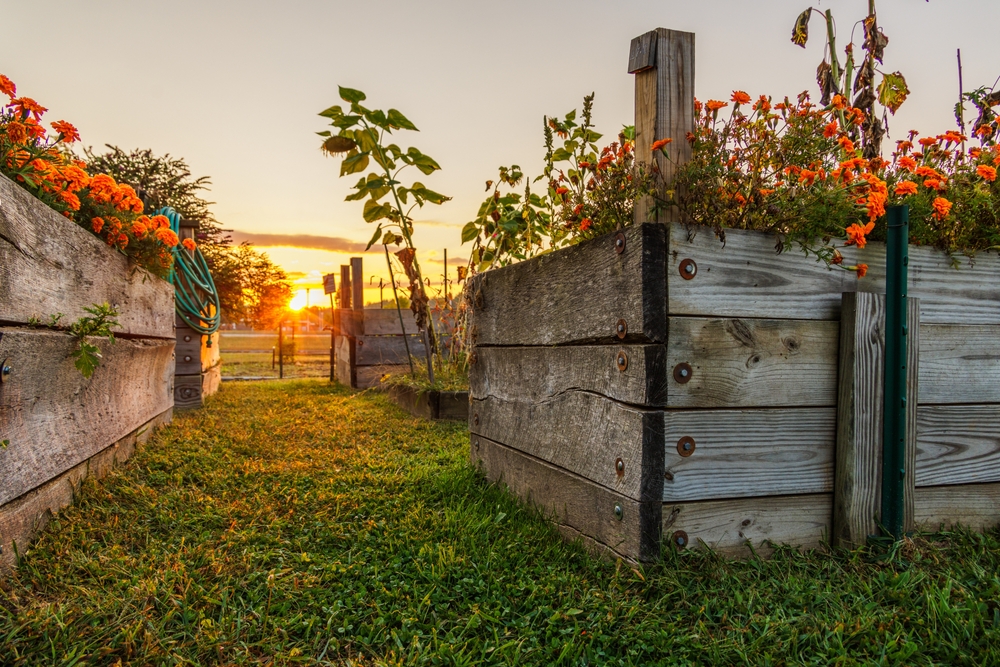
Fall garden cleanup used to mean cutting every perennial to the ground, raking out every leaf, and leaving beds nearly bare before winter. We now know that some of what looks like garden debris is actually valuable shelter for bees, butterflies, moths and other beneficial insects spending winter in our yards. That doesn’t mean you have to choose between an abandoned-looking landscape and a wildlife sanctuary, either. Wildlife-friendly garden cleanup is really about being selective: remove genuine problems while leaving enough stems, leaves, and seed heads to provide winter habitat. Done thoughtfully, it can even mean less work and less money spent hauling away material your garden can use.
Start by Removing Diseased Plant Material
Not everything should remain in the garden just because wildlife benefits from a little messiness. Plants showing significant disease are generally poor candidates for overwintering habitat because infected debris can allow certain plant pathogens to survive until another growing season. Penn State recommends completely removing diseased plants while leaving many healthy perennial stalks and other materials in place. Vegetable gardens deserve particular attention because spent crops affected by disease shouldn’t automatically become part of a wildlife pile beside next year’s vegetables. Think of wildlife-friendly garden cleanup as editing the garden rather than erasing it.
Leave Some Perennial Stems Standing
Those brown coneflower, aster, and other perennial stems may look finished, but hollow or pithy stems can become valuable nesting sites. Native bees such as leafcutter and mason bees can use stems for nesting and shelter, while some butterflies overwinter as pupae attached to dry stems. Try leaving plants standing because they can provide winter homes for pollinators as well as visual interest. You don’t necessarily need to preserve every collapsing stem in every flower bed to make a difference. Leave sturdy stems in selected areas, particularly toward the middle or back of beds where their winter appearance won’t bother you.
Don’t Treat Every Fallen Leaf Like Trash
Fallen leaves are one of the easiest free habitat materials a gardener can provide. The Xerces Society explains that many invertebrates overwinter in leaf litter or in soil insulated by leaves, making that layer much more than garden waste. Leaves don’t necessarily need to remain exactly where they land, either; you can move them from walkways or other inconvenient locations into flower beds, beneath shrubs or into designated habitat areas. Xerces notes that a layer a couple of inches thick can mimic the natural cover used by insects and other invertebrates. That’s wildlife-friendly garden cleanup with an added frugal benefit: free leaves can perform jobs gardeners routinely pay mulch to do.
Keep Seed Heads That Birds Can Use
A faded flower doesn’t necessarily stop being useful when its petals disappear. Coneflowers, sunflowers, native grasses, and other seed-producing plants can provide winter food for birds if their heads remain standing. It is recommended to try and keep some seed heads from plants such as native grasses, sunflowers, and coneflowers for both winter interest and wildlife value. Their silhouettes can also give a dormant garden structure, especially after frost or snow outlines them. Instead of deadheading everything automatically, ask whether a particular plant could still feed something before reaching for the pruners.
Create One Deliberately Messy Corner
You don’t need to transform your entire front yard into a pile of leaves and sticks to provide meaningful habitat. The Xerces Society recommends setting aside undisturbed areas where leaves, dead stems, twigs, and other ground cover can remain through winter. A back corner behind shrubs, a side garden, or an area beneath established trees can work well because it doesn’t need to dominate the landscape visually. Small branches and logs can add another habitat layer, particularly when they’re positioned where they won’t create a tripping or fire hazard. This approach makes wildlife-friendly garden cleanup easier for gardeners who still prefer a fairly tidy landscape near patios, sidewalks, and entrances.
Be Careful With Heavy Mulching and Tilling
Bare soil can look unfinished, which tempts gardeners to cover every exposed inch with thick mulch. However, the majority of the roughly 3,600 bee species in the United States nest in the ground and need access to bare earth. Thick landscape fabric, rock, and heavy bark mulch can reduce that available nesting habitat. Fall tilling can also disturb insects that are already spending winter in or near the soil. Leaving a few patches of undisturbed soil among your plantings creates another type of habitat without costing anything.
Move Leaves Off the Lawn Instead of Bagging Them
There’s an important distinction between leaving leaves in garden beds and allowing a heavy mat to smother turfgrass. Large quantities of leaves left on turf can shade grass and contribute to its decline, so relocating them can make more sense than simply leaving everything untouched. Instead of stuffing those leaves into plastic bags, gently rake them into perennial beds, around appropriate shrubs, or into your designated habitat area. The Xerces Society advises against shredding habitat leaves when possible because insects or eggs may already be using them. You’re essentially moving a free resource from somewhere it may cause trouble to somewhere it can provide insulation and eventually organic matter.
Save Some Cleanup for Spring
One of the easiest ways to practice wildlife-friendly garden cleanup is simply to stop doing so much of it in October. Insects that settle into leaves, stems, and plant debris for winter don’t benefit if those materials disappear halfway through their dormant period. The traditional practice of clearing all herbaceous material and blowing every loose leaf out of a garden can eliminate habitat pollinators depend upon. Waiting until spring also allows standing plants to provide winter texture and gives birds more time to use their seeds. When spring arrives, clean gradually rather than stripping the entire landscape bare the moment you see the first warm afternoon.
A Little Garden Mess Can Be Doing Important Work
A wildlife-friendly fall garden doesn’t have to look neglected, and a tidy garden doesn’t have to become an ecological blank slate. Remove diseased plants, clear paths, and manage genuine problems while leaving selected stems, seed heads, leaves, logs and undisturbed soil where they can provide shelter. Research shows leafless garden plots had 45% fewer moths and butterflies and 67% fewer spiders, illustrating how dramatically removing leaf litter can change a small ecosystem. Wildlife-friendly garden cleanup can therefore mean fewer bags at the curb, less money spent on mulch and more beneficial life remaining in your garden until spring.
How much of your garden do you clean up in fall, and would you consider leaving one section intentionally messy for wildlife this winter?
What to Read Next
How to Prepare Raised Beds for Cold-Weather Growing
Fall Flowers That Keep Garden Beds Colorful After Summer Fades
7 Fall Crops You Can Grow in Containers Instead of Buying Raised Beds
Leave a Reply