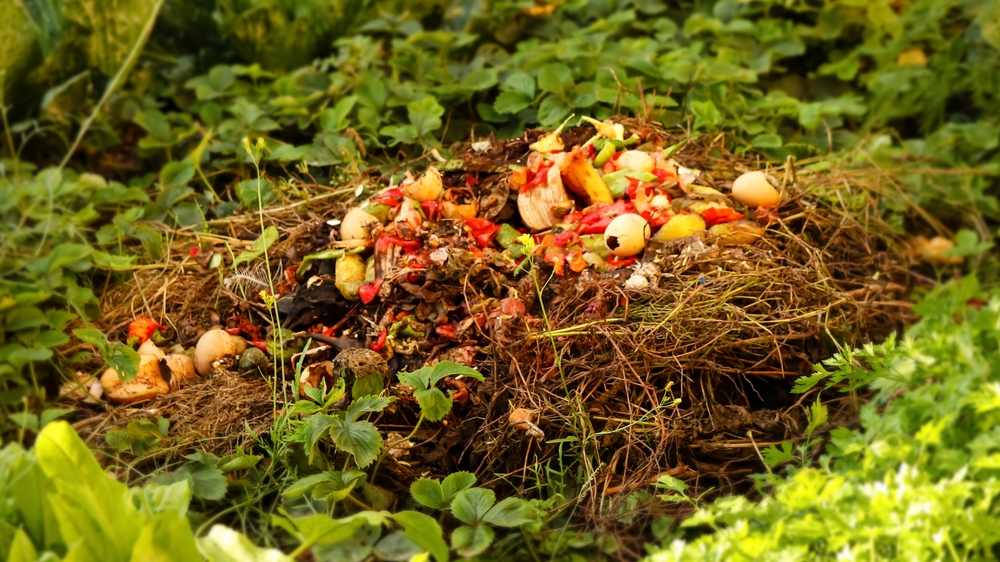
Composting is one of the most satisfying ways to turn kitchen scraps and yard waste into rich, fertile soil. But even the most careful composters can face a sneaky problem: hidden diseases lurking in your pile. These microbial troublemakers can hitch a ride on fruit peels, garden clippings, or even soil, quietly multiplying and threatening the health of your compost—and eventually your garden.
Catching disease early can save your plants and your patience, but it takes a trained eye, a little curiosity, and a lot of observation. Let’s dig into the signs that your compost pile might be hosting unwanted microbial guests before they turn your gardening dreams into a nightmare.
How To Smell Disease Before You See It
One of the first ways your compost talks to you is through scent. Healthy compost has a rich, earthy aroma, like damp forest soil or a fresh garden bed after rain. If your pile suddenly smells sour, ammonia-like, or rotten, it may be harboring bacterial or fungal infections. These odors often appear before you notice visible mold or decay, giving you an early warning signal. Regular sniff tests, paired with turning the pile, can alert you to problems while they’re still manageable.
Spotting Discoloration and Unusual Textures
Healthy compost tends to be dark brown and crumbly, but diseased compost often looks off. White, gray, or black fuzzy patches are usually signs of fungal growth, while slimy or wet clumps can indicate bacterial invasion. Sometimes diseased material may appear sunken, with a glossy sheen that makes it feel almost unnatural. By keeping an eye on color changes and textures, you can isolate the affected portions before they contaminate the rest of your pile. Catching these visual cues early can mean the difference between a productive compost season and a frustrating failure.
Understanding How Moisture Affects Disease
Water is essential for composting, but too much or too little can invite trouble. Overly wet piles can become anaerobic, creating an ideal environment for harmful bacteria to thrive. Conversely, a pile that’s too dry slows decomposition and allows spores to linger longer than they should. Balancing moisture is key, and you can test it by squeezing a handful: it should feel like a damp sponge, not a dripping mess. Monitoring moisture not only speeds up composting but also keeps disease from taking hold unnoticed.
The Importance of Layering and Turning
One of the simplest ways to prevent disease from spreading is proper layering. Alternate green and brown materials to ensure airflow and balanced decomposition. Turning your pile regularly mixes in oxygen, discouraging the growth of harmful microbes and exposing pockets of disease for removal. Uneven piles can create hot spots where bacteria or fungi multiply out of control. By staying consistent with layering and turning, you actively reduce the chances of hidden disease going unnoticed.
Checking Plant Material for Hidden Issues
Not all disease comes from within the pile—some of it arrives with your garden scraps. Leaves with spots, wilted stems, or moldy fruit can carry pathogens into your compost. Before tossing anything in, take a moment to inspect and trim off visibly diseased portions. Even small signs of infection can quickly escalate in the warm, moist environment of a compost pile. Prevention starts at the gate: healthy inputs lead to healthy outputs.

Watching For Pest Activity
Pests aren’t just annoying—they’re a clue that something might be off in your pile. Certain insects and rodents are attracted to decaying material that’s breaking down improperly or harboring disease. Tiny, crawling visitors might signal excess moisture or rotting food, both of which can worsen microbial problems. By noticing and managing pest activity early, you prevent them from carrying disease deeper into your compost. Regularly inspecting the pile for unwanted guests keeps your process efficient and clean.
Testing Temperature and Internal Heat
A hot pile is generally a happy pile, and temperature can be a powerful tool for spotting trouble. Compost that fails to heat up properly may be struggling due to disease or imbalance. Pathogenic organisms often thrive in cooler, stagnant areas, so consistent monitoring helps identify problematic spots. Using a compost thermometer, you can check that your pile is reaching optimal heat levels for decomposition. Maintaining proper internal temperatures kills many harmful microbes before they get a foothold.
Maintaining Clean Tools and Hands
Even the most vigilant composters can unknowingly spread disease with dirty tools. Rakes, shovels, and gloves can transfer spores from one pile to another or even back into your garden. Simple practices like rinsing tools after use and washing your hands can prevent contamination. Think of it as extending your disease-spotting senses to your equipment. Clean tools help ensure that what starts healthy stays healthy, keeping your compost safe and productive.
Stay Observant and Stay Ahead
Hidden disease in a compost pile can feel invisible until it’s too late, but with attention to smell, color, moisture, material quality, pests, temperature, and hygiene, you can catch problems early. Composting is a balance of science, observation, and patience, and staying proactive allows you to enjoy the rewards without setbacks. By regularly inspecting your pile and taking small preventive measures, you give your garden the strongest possible foundation.
Have you ever caught disease in your compost or found creative ways to prevent it? Share your experiences, tips, or stories in the comments section below—we’d love to hear from you!
You May Also Like…
Why Morning Dew Affects Disease Rates in Fall
Why Your Compost Needs More Carbon in Fall
Use These 8 Winter Composting Tips for Gardeners
The Garlic Planting Trick Most Gardeners Don’t Know
Your Plants Don’t Need as Much Water as You Think in November — Here’s Why

Brandon Marcus is a staff writer for FrugalGardening.com at District Media, Inc., where he delivers practical gardening advice with a relatable, no-nonsense style. An avid amateur gardener, he holds a BA degree and with over ten years of professional writing experience, he is also an award-winning published author whose first book, Questions For Deep Thinkers, was released by Adams Media. His work has appeared in major publications including Fandom.com, CHUD.com, TheColdWire.com, and Fansided.com.
Leave a Reply