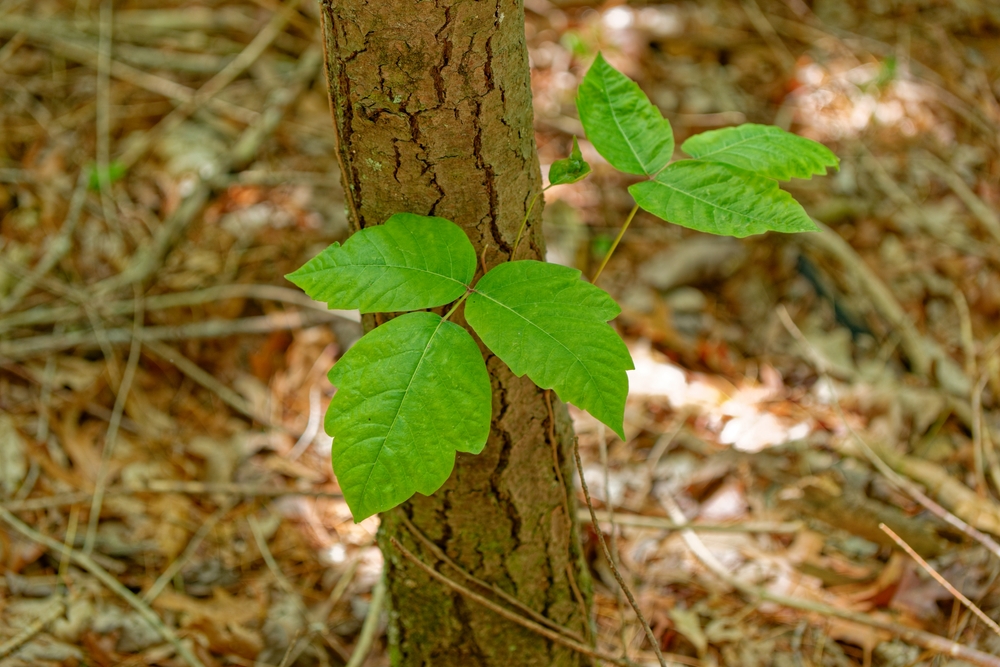
Poison ivy can look like nothing more than a crispy pile of garden debris when the season turns, but that dead-looking material deserves a very wide berth. Burning it can send urushiol, the oily substance that causes poison ivy’s infamous rash, into the smoke, creating a much bigger problem than a few itchy spots. The same warning applies to poison oak and poison sumac, so that innocent-looking brush pile can hide a nasty surprise.
Yard cleanup often comes with a satisfying little ritual: rake everything into a pile, strike a match, and watch the mess disappear. Unfortunately, poisonous plants can turn that tidy shortcut into a respiratory hazard, and dead foliage does not magically lose its irritating oils when the leaves turn brown. A little caution before cleanup can prevent a very unpleasant aftermath.
Dead Leaves Can Still Carry a Serious Sting
Poison ivy contains urushiol, an oily substance that triggers the familiar itchy rash, and the substance remains in the plant even after the foliage dries out. That means a dead vine tangled around a fence or a brown stem hiding beneath fallen leaves still deserves the same caution as a green plant in midsummer. Poison Control specifically warns that dried leaves and stems can cause a reaction and should never become kindling.
The danger also goes beyond direct skin contact because gardeners can transfer urushiol from plants onto gloves, clothing, tools, shoes, and other objects. A person might finish pulling weeds, toss the gloves in the shed, and unknowingly leave the oily residue behind for the next gardening session. Poison ivy therefore deserves a place on the “handle carefully” list, even when it looks more like yard litter than a living plant.
Fire Turns a Garden Problem Into a Smoke Problem
Burning poison ivy creates a completely different exposure because heat can carry urushiol particles into the smoke. Anyone standing near the fire can inhale those particles, and the resulting exposure can cause severe respiratory problems. The CDC specifically warns people not to burn poison ivy, poison oak, or poison sumac because smoke from these plants can irritate the lungs.
That makes the backyard fire pit a particularly bad destination for suspicious vines and brush. Smoke does not politely stay inside the fire, and a breeze can carry it toward a patio, neighboring yard, open window, or anyone enjoying an evening outdoors. The safest burn pile contains no plant material that anyone suspects could contain urushiol.
Give Suspicious Vines a Careful Exit
Small amounts of poison ivy can require careful removal, and protective clothing makes that job much safer. Wear long sleeves, long pants, closed-toe shoes, gloves, and eye protection, then avoid touching the face or other exposed skin while working. Penn State Extension recommends heavy-duty protection and advises gardeners not to compost or burn poison ivy material.
Afterward, clean tools and washable clothing rather than tossing everything into the garage and calling it a day. Soap and plenty of water can help remove urushiol from tools and skin, while contaminated clothing deserves a separate wash with detergent. Bagging unwanted plant material for appropriate trash disposal offers a far better ending than turning the backyard fire pit into an accidental poison-ivy diffuser.
Know What Poison Ivy Looks Like Before Cleanup
Poison ivy often carries three leaflets, which explains the familiar gardening warning, “Leaves of three, let them be.” Still, appearance can change with the season, and poison ivy can grow as either a vine or shrub, with leaves that shift from green toward yellow or red.
Gardeners should also remember that poison oak and poison sumac can create similar problems. Poison oak generally produces leaves with three to five leaflets, while poison sumac typically carries clusters of seven to thirteen leaflets, so one simple rhyme cannot identify every poisonous plant. When a plant looks unfamiliar, especially around a brush pile, taking a closer look before grabbing it can save a lot of trouble later.
A Rash Can Arrive After the Yard Looks Perfect
Poison ivy reactions can take time to appear, which makes yard cleanup especially sneaky. Someone can finish the job feeling perfectly fine and develop itching, redness, bumps, or blisters later, sometimes after the tools have already gone back into storage. Poison Control notes that symptoms commonly appear after a delay, so a rash that shows up later can still trace back to earlier gardening work.
If exposure happens, wash the affected skin promptly with soap and plenty of water and clean beneath the fingernails. Wash clothing that may carry plant oil and clean tools or other objects that contacted the plant, since urushiol can remain on surfaces for a long time. Anyone who inhales smoke from burning poison ivy and develops breathing difficulty, throat swelling, or other serious respiratory symptoms should seek emergency medical attention.
Let the Fire Pit Handle the Marshmallows, Not the Poison Ivy
The safest rule for yard cleanup remains wonderfully simple: never burn a plant that might contain poison ivy, poison oak, or poison sumac. Brown leaves, brittle stems, and dead vines can still carry urushiol, so a plant’s sad appearance does not make it harmless.
Instead, protect the skin, clean the tools, contain the plant material, and follow local disposal guidance. A few extra minutes of careful cleanup beats spending the next several days wondering why every inch of skin suddenly feels personally offended. When in doubt, leave suspicious plant material out of the fire entirely and choose the safer disposal route.
Would you ever burn questionable yard debris, or has a past gardening mishap convinced you to leave the matchbox alone?
You May Also Like…
Poison Ivy Isn’t the Only Plant Gardeners Should Learn to Recognize
Which Plant Pairings Naturally Reduce Pests and Improve Yields
March Garden Pests That Show Up Before You Notice the Damage
Fire Officials Say This Garden Tool Storage Mistake Is Causing Dangerous Shed Fires

Brandon Marcus is a staff writer for FrugalGardening.com at District Media, Inc., where he delivers practical gardening advice with a relatable, no-nonsense style. An avid amateur gardener, he holds a BA degree and with over ten years of professional writing experience, he is also an award-winning published author whose first book, Questions For Deep Thinkers, was released by Adams Media. His work has appeared in major publications including Fandom.com, CHUD.com, TheColdWire.com, and Fansided.com.
Leave a Reply