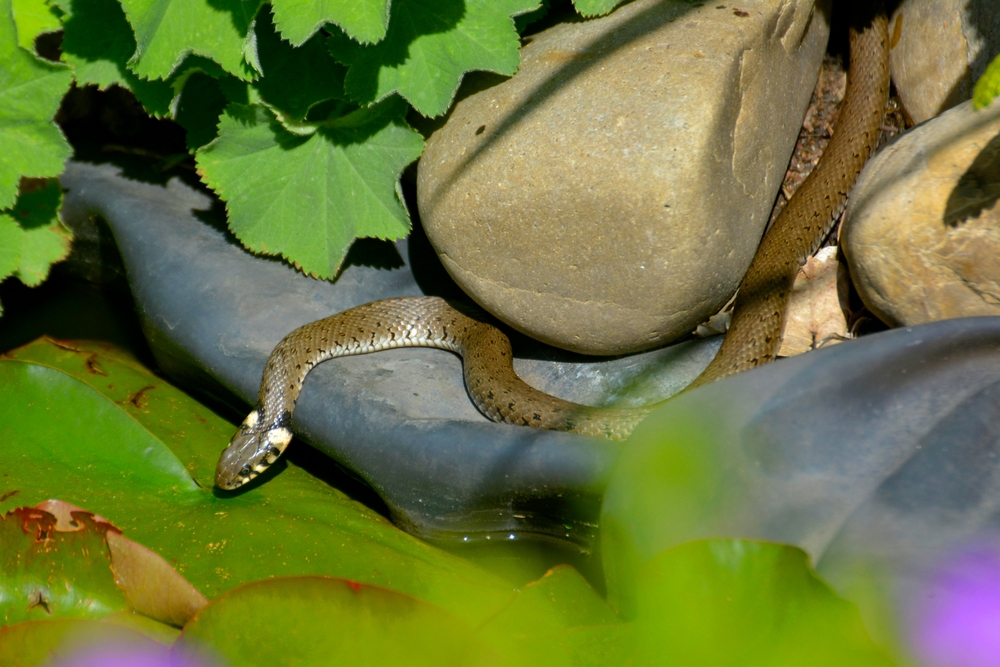
A snake sliding through the garden can turn a peaceful morning of watering tomatoes into a full-blown wildlife documentary. But that snake probably did not wander into the yard with plans to terrorize the gardener. In many cases, it arrived because the garden offers exactly what a snake needs: food, shelter, water, warmth, or a convenient place to hunt.
That can actually be good news for the garden. Many snakes eat rodents, slugs, insects, amphibians, or other animals that gardeners would rather keep from nibbling on their plants. The important part comes down to knowing what kind of snake showed up, avoiding unnecessary contact, and figuring out why the garden looked like an appealing stop.
Your Garden May Have Built a Snake Buffet
A garden naturally creates the kind of miniature ecosystem that attracts snakes. Dense vegetation, mulch, rocks, fallen branches, compost areas, and other sheltered spots can provide places for small animals to hide, which in turn gives hunting snakes a reason to visit.
Food often provides the real invitation, especially when rodents or other prey already live nearby. Some snakes specialize in rodents, while others eat insects, slugs, amphibians, eggs, or even other snakes, so a snake crawling through the garden may actually signal that the yard has plenty of edible wildlife.
That Snake Could Be Helping the Garden
Gardeners usually celebrate birds that eat caterpillars and ladybugs that hunt aphids, but snakes rarely receive the same warm welcome. Yet species such as rat snakes and garter snakes can consume animals that damage plants or become unwanted guests around homes, including rodents and various garden pests.
That does not make every snake harmless, and it certainly does not mean anyone should reach into a shrub to make friends with one. Instead, a snake can serve as one small piece of the garden’s natural pest-control system, quietly hunting while the gardener concentrates on tomatoes, peppers, flowers, and the eternal mystery of where the missing hand pruners went.
Warm Weather Can Bring Snakes Into Plain Sight
Snakes rely on their surroundings to regulate body temperature, so gardeners often spot them basking on rocks, paths, pavement, or other warm surfaces. A snake stretched across a sunny garden path may simply need to warm itself before heading back into cover.
Seasonal activity can also change what gardeners see, and late summer or early fall can bring sightings of young snakes as some species hatch and disperse. That sudden appearance does not automatically mean a snake has established a nest under the vegetable bed, because snakes generally do not maintain nests in the way many people imagine.
A Snake Does Not Mean the Garden Has a Snake Problem
One sighting does not necessarily mean snakes have moved into the garden permanently. A snake may simply pass through while searching for prey, moving between hiding places, or looking for a better temperature or shelter, particularly when the yard offers little food or cover.
If sightings become frequent, look around rather than immediately reaching for a supposed snake repellent. Brush piles, unmanaged vegetation, debris, wood stacks, and abundant rodents can create attractive habitat, so tidying those areas can make the property less appealing without turning the entire garden into a sterile patch of lawn.
Skip the Mothballs and Mystery Snake Repellents
The internet has no shortage of snake-removal tricks, and mothballs regularly make the list. That idea deserves a firm pass, because mothballs contain pesticides intended for specific labeled uses, and using them outdoors to repel snakes creates unnecessary chemical exposure without providing a reliable solution.
Commercial snake repellents also deserve a healthy dose of skepticism, because university extension sources note that products marketed for this purpose have not demonstrated consistent effectiveness. Habitat modification offers a much more practical approach: reduce hiding places near the home, manage rodents, keep vegetation controlled where appropriate, and seal openings that could allow snakes inside.
Give an Unknown Snake Plenty of Space
The safest response to an unfamiliar snake involves distance, not a shovel, rake, broom, or heroic garden-tool maneuver. Most snakes avoid people, but a snake may strike if someone corners, grabs, steps on, or otherwise threatens it, so backing away gives the animal a chance to leave without turning the encounter into a problem.
Identification matters because venomous species occur in some parts of the United States, and appearance alone can create confusion between harmless and venomous snakes. If the species remains uncertain, keep children and pets away, avoid handling the animal, and contact a local wildlife agency or extension office for identification guidance rather than relying on a single visual shortcut.
Let the Garden Tell You Why the Snake Arrived
The next time a snake appears between the beans and basil, look at the garden as a habitat rather than assuming the animal wandered in by accident. Something nearby may provide exactly what it needs, whether that means mice around a shed, slugs beneath damp mulch, insects in dense vegetation, or a sunny rock that doubles as a reptile-sized heating pad.
That does not mean every gardener needs to welcome snakes with open arms, especially in areas where venomous species occur. It does mean that a calm response, sensible identification, and thoughtful habitat management usually make more sense than panic or chemical repellents, while a harmless snake may quietly repay the favor by eating some of the creatures gardeners spend considerable time trying to control.
Would you leave a harmless snake alone in the garden if you knew it was helping control pests, or would you still want it gone? Share your thoughts in the comments.
You May Also Like…
9 Backyard Habits That Can Accidentally Invite Pests
Which Plant Pairings Naturally Reduce Pests and Improve Yields
Why Some Gardens Attract More Pests
March Garden Pests That Show Up Before You Notice the Damage

Brandon Marcus is a staff writer for FrugalGardening.com at District Media, Inc., where he delivers practical gardening advice with a relatable, no-nonsense style. An avid amateur gardener, he holds a BA degree and with over ten years of professional writing experience, he is also an award-winning published author whose first book, Questions For Deep Thinkers, was released by Adams Media. His work has appeared in major publications including Fandom.com, CHUD.com, TheColdWire.com, and Fansided.com.
Leave a Reply