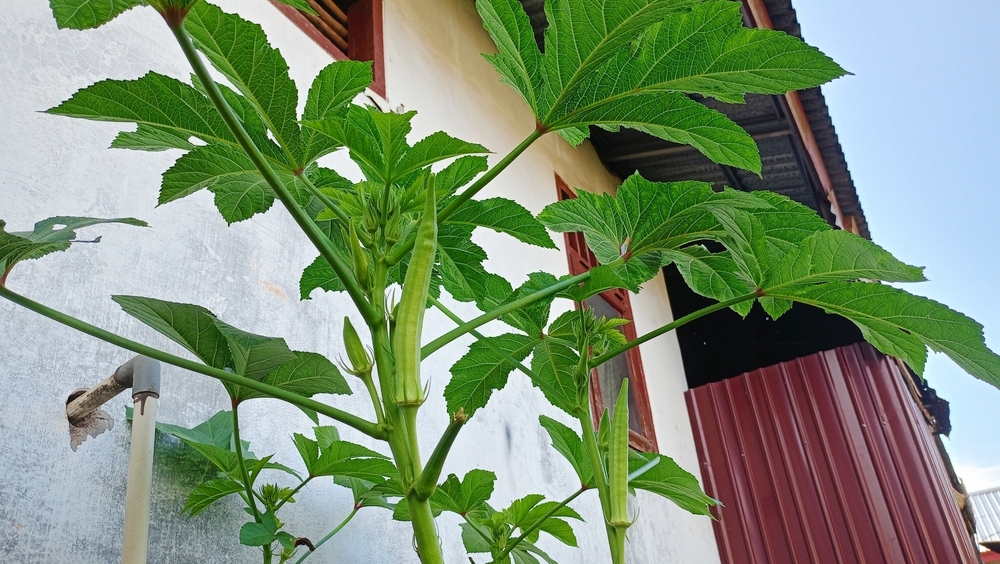
Okra can start as a modest little garden plant and then suddenly look like it has applied for a job as a flagpole. When the pods start hanging several feet above the ground, harvesting becomes awkward, missed pods turn tough, and that impressive height stops feeling quite so impressive. The good news: gardeners do not need to surrender the upper reaches of the plant or bring a step ladder into the vegetable patch.
Tall okra gives gardeners a few practical options, including pruning the main stems, encouraging branching, and changing harvesting habits. The right move depends on whether the plant still has plenty of growing season left, whether it has become dangerously unwieldy, and whether seed saving matters. A little strategic cutting can turn an unreachable jungle into a much more manageable crop.
First, Figure Out Why the Okra Reached for the Sky
Okra naturally grows tall, and variety plays a major role in the final height. Some home-garden varieties stay relatively compact, while others can reach 4 to 5 feet or considerably more under favorable conditions.
Fertilizer can also influence the situation, particularly when gardeners pile on nitrogen and encourage leaves and stems instead of focusing on pod production. If the plant looks enormous but produces fewer pods than expected, ease up on heavy nitrogen applications and focus on consistent moisture, sunlight, and regular harvesting.
A tall plant does not automatically mean something went wrong. Okra enjoys heat, grows rapidly during summer, and naturally pushes upward as it produces flowers and pods. The real problem starts when the gardener cannot comfortably reach the fruit.
That distinction matters because there is no prize for growing the tallest okra in the neighborhood. A plant that requires acrobatics every time a pod appears has become a garden management problem, not a horticultural trophy.
Cut Tall Okra Back Instead of Chasing Pods Upward
When an established okra plant becomes too tall to harvest comfortably, gardeners can cut it back to encourage fresh branching and bring new growth within easier reach. Mississippi State University Extension recommends cutting tall plants to about 3 to 4 feet to encourage branching, simplify harvesting, and renew the plant.
Choose a healthy stem and make a clean cut with sharp, sanitized pruners rather than hacking through the plant with a dull tool. After pruning, watch the plant for new side shoots, because those branches can produce flowers and pods lower on the plant.
Timing matters here. A hard cut makes much more sense while warm weather still gives okra enough time to produce new growth. Cutting a plant just before cool weather arrives may leave little time for the plant to recover and produce another worthwhile crop.
Do not automatically chop every stem down to the same height, either. Selective pruning can preserve some productive branches while removing the tallest, most awkward growth. The goal involves creating a plant that a gardener can actually harvest, not giving the okra a dramatic buzz cut simply because the pruners feel powerful.
Harvest the Pods Before They Become Garden Baseball Bats
Tall okra becomes much easier to manage when gardeners stop letting oversized pods linger on the plant. Young pods generally offer the best texture, and many extension recommendations place the ideal harvest around 2 to 4 inches, although variety can affect the best picking size.
Check the plants frequently because okra pods can grow remarkably fast once summer temperatures climb. Use a sharp knife or hand pruners to cut pods from the stem, and wear gloves and long sleeves.
An enormous pod does not necessarily mean the plant has produced a bonus vegetable. Older pods often become tough and stringy, and leaving mature pods attached can reduce continued flowering and fruit production.
There is one important exception: seed saving. If the goal involves saving okra seed for another season, deliberately leave a few healthy pods on the plant and let them mature fully while harvesting the rest.
Give Next Year’s Okra a Better Height Strategy
If a garden produces towering okra every year, variety selection can solve much of the problem before pruning ever enters the picture. Compact cultivars such as ‘Annie Oakley II’ offer a useful option for gardeners who want easier harvesting, while other varieties naturally reach several feet tall.
Gardeners can also pinch or cut growing tips earlier in the season to encourage branching rather than allowing a single central stem to keep racing upward. University of Maryland Extension recommends pinching growing points when plants reach about 24 inches to encourage branching, while other extension guidance recommends topping plants at different stages depending on the desired growth habit.
Spacing deserves attention, too. Give okra enough room for sunlight and air movement, while leaving enough access around the plants to make harvesting comfortable.
For next season, put compact varieties near the front of the vegetable bed and reserve the back row for taller types. That simple bit of garden choreography can prevent the annual game of reaching, stretching, and wondering whether a particularly beautiful pod just disappeared somewhere above eye level.
Make Okra Work for the Gardener, Not the Other Way Around
Tall okra does not require panic, removal, or a heroic climb onto a patio chair. If the plant still has plenty of warm weather ahead, selective pruning can encourage lower branching and make future harvesting far more practical. Keep harvesting frequently after pruning, remove oversized pods unless you need them for seed, and maintain sensible watering during prolonged hot, dry weather. Consistent care helps the plant keep producing while new branches develop.
The bigger lesson involves planning for accessibility from the beginning. Choose varieties that fit the garden, avoid excessive nitrogen, give plants adequate space, and decide early whether the crop will supply dinner or next year’s seed stash.
Has okra ever grown so tall that harvesting turned into a reach-and-hope operation, and did pruning bring the plant back under control? Share what happened in the comments.
You May Also Like…
Can You Store Seed Potatoes From This Year’s Harvest?
Should You Allow Volunteer Tomatoes to Keep Growing This Late?
8 Crops That Can Be Harvested Well Into Chilly Weather
Why Are Gardeners Growing Skirret and Other Forgotten Edibles?
The Best Crops for Windy Balconies and Hot Patios

Brandon Marcus is a staff writer for FrugalGardening.com at District Media, Inc., where he delivers practical gardening advice with a relatable, no-nonsense style. An avid amateur gardener, he holds a BA degree and with over ten years of professional writing experience, he is also an award-winning published author whose first book, Questions For Deep Thinkers, was released by Adams Media. His work has appeared in major publications including Fandom.com, CHUD.com, TheColdWire.com, and Fansided.com.
Leave a Reply