Powdery mildew can make a perfectly respectable garden plant look as though someone dusted it with flour. The good news: gardeners do not automatically need to ban every mildew-spotted leaf from the compost pile, but the answer depends heavily on how hot and active that pile gets.
A casual backyard heap that slowly decomposes presents a different situation from a well-managed hot compost pile. Knowing that distinction can keep a gardener from either wasting perfectly compostable plant material or accidentally giving plant disease a cozy little vacation in the garden.
The Compost Pile Makes All the Difference
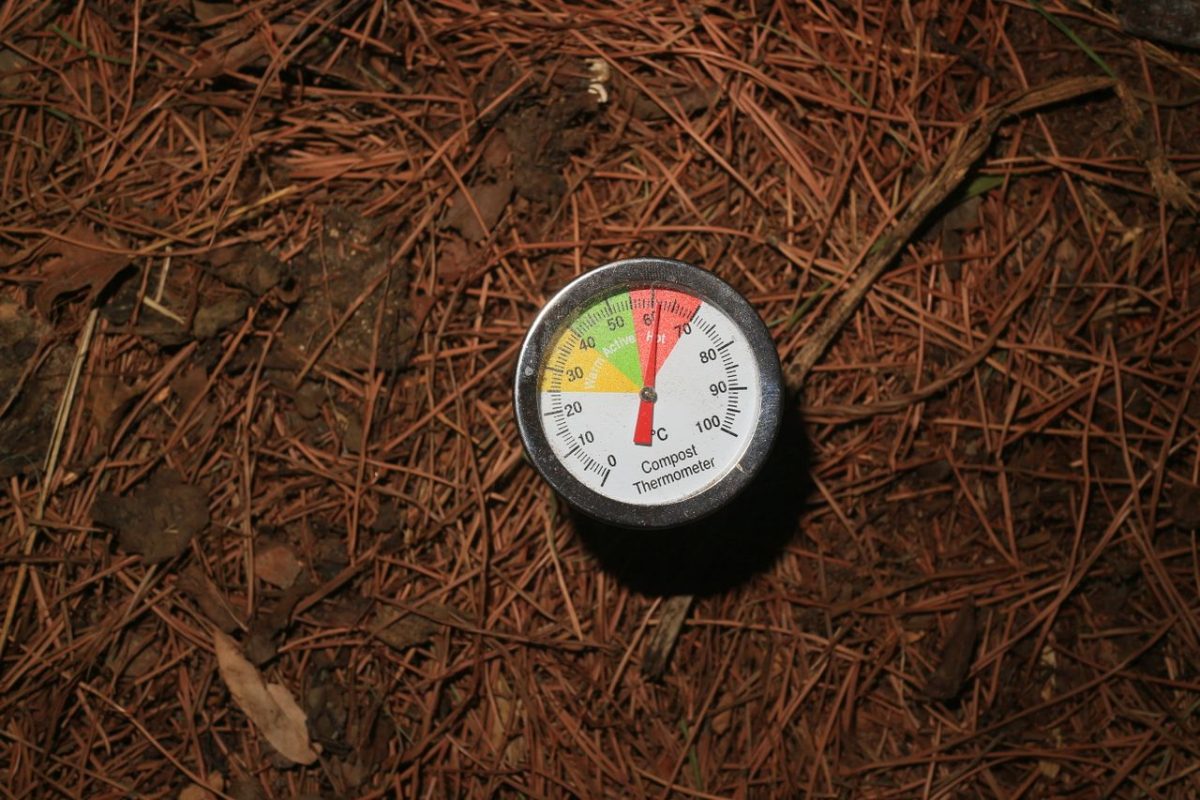
A properly managed hot compost pile can handle diseased plant material because heat and microbial activity break down the plant tissue and reduce plant pathogens. You should compost diseased material only when the pile reaches at least 148 degrees Fahrenheit and the plants completely break down. That temperature matters because a cool pile may decompose slowly without producing enough sustained heat to knock out disease organisms. A pile that merely sits there looking earthy does not count as a pathogen-killing furnace.
Powdery mildew also behaves differently from some of the more troublesome plant diseases because these fungi generally depend on living plant tissue, and professionals note that composting kills powdery mildew during the process. Still, gardeners should not interpret that as a green light for every compost pile, especially when the pile never gets properly hot. For a dependable home composting routine, temperature, moisture, oxygen, and thorough decomposition all matter. Turning the pile and mixing fresh, nitrogen-rich material with carbon-rich browns can help create the microbial activity needed for effective composting.
When Diseased Leaves Should Skip the Backyard Bin
A gardener should think twice before adding heavily infected plants to a small, cool compost pile that rarely heats up. Some home compost systems simply never reach temperatures high enough to reliably reduce plant pathogens, and several university Extension programs recommend keeping diseased material out of ordinary home piles for that reason. Pennsylvania State University Extension, for example, recommends disposing of powdery mildew material rather than putting it into a typical home compost pile because many household piles fail to reach temperatures high enough to kill spores. That advice makes especially good sense when the compost will return directly to vegetable beds.
The same caution applies when the diagnosis looks uncertain because not every white, dusty-looking problem on a leaf actually represents powdery mildew. Downy mildew, bacterial diseases, viral diseases, and other disorders can produce symptoms that confuse even experienced gardeners, and some pathogens can survive in plant debris more stubbornly than powdery mildew. When a plant shows severe or mysterious disease, removing the material from the garden and following local yard-waste or municipal composting rules provides a safer route. Municipal composting facilities often manage large piles with more consistent heat and processing than a backyard bin can achieve.
Give the Garden a Clean Exit
Removing infected leaves promptly can reduce the amount of disease pressure around susceptible plants, particularly when the foliage still shows active mildew. Snipping affected leaves works best when the foliage stays dry, because wet plant surfaces can make handling and disease spread messier. Place removed material directly into the appropriate disposal container rather than carrying a pile of infected leaves through the garden like a fungal confetti cannon. Clean pruning tools after working on diseased plants, especially before moving to healthy plants.
Gardeners can also make powdery mildew less welcome next season by improving airflow and avoiding crowded plantings. Powdery mildew often becomes more troublesome when foliage grows densely and air movement suffers, so sensible spacing and selective pruning can make a noticeable difference. Watering at the soil line can also help manage many leaf diseases by keeping foliage drier, although powdery mildew itself does not require wet leaves to infect a plant. For vegetables and ornamentals that repeatedly develop mildew, choosing resistant varieties can provide another useful line of defense.
The Simple Rule for Mildew and Compost
The safest rule sounds almost comically simple: hot compost, yes; questionable cold compost, no. If a compost pile consistently reaches roughly 148 degrees Fahrenheit or higher and completely breaks down the diseased plant material, powdery mildew plants can go into that system according to University of Minnesota Extension guidance. If the pile stays cool, contains large chunks of recognizable plant material, or rarely gets turned, send the infected material somewhere else instead. A municipal composting program may offer a better option when it accepts diseased yard waste and manages the material under controlled conditions.
What does the compost pile look like in your garden, and would you compost a plant with powdery mildew or send it elsewhere? Share your approach in the comments.
You May Also Like…
What Is the Best Way to Cool Down Hot Compost?
Composting in Hot Weather: How Turning and Moisture Control Speed Up Decomposition
The “Milk Spray” Solution: The Weird Way to Stop Powdery Mildew
9 Backyard Habits That Can Accidentally Invite Pests
What Powdery Mildew Looks Like and How to Stop It Early

Brandon Marcus is a staff writer for FrugalGardening.com at District Media, Inc., where he delivers practical gardening advice with a relatable, no-nonsense style. An avid amateur gardener, he holds a BA degree and with over ten years of professional writing experience, he is also an award-winning published author whose first book, Questions For Deep Thinkers, was released by Adams Media. His work has appeared in major publications including Fandom.com, CHUD.com, TheColdWire.com, and Fansided.com.
Leave a Reply