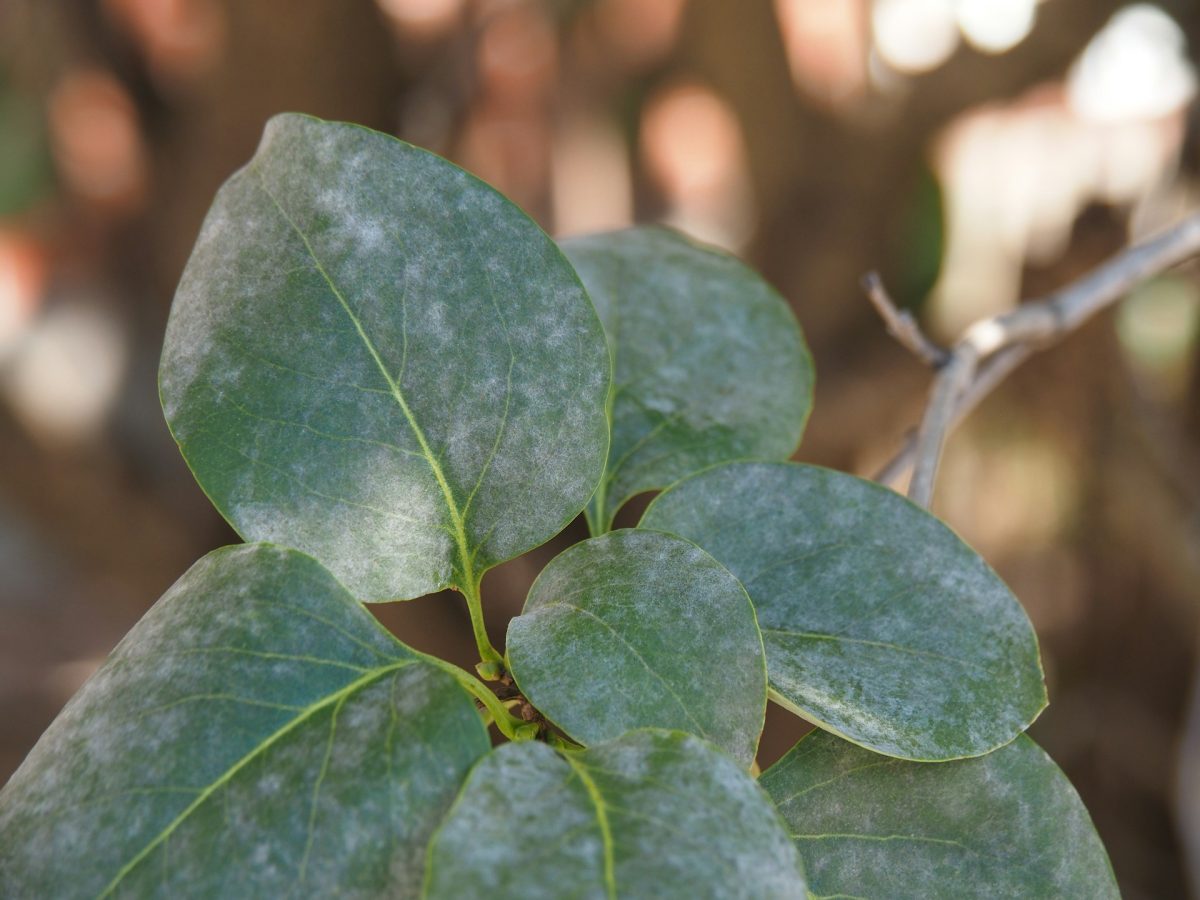
An innocent-looking white dust can signal serious trouble. That soft, powdery coating creeping across leaves doesn’t just sit there looking harmless—it actively weakens plants, slows growth, and ruins entire gardens when it goes unchecked. Powdery mildew doesn’t wait for an invitation, and it doesn’t need perfect conditions to take hold, which makes it one of the most frustrating plant problems around.
Gardeners who catch it early stay ahead of the game, while those who miss the warning signs often scramble to save what’s left. Spotting powdery mildew quickly and acting fast changes everything, turning a potential disaster into a manageable hiccup.
The White Warning Sign You Should Never Ignore
Powdery mildew announces itself loud and clear, even if it looks subtle at first glance. It starts as small white or grayish spots that cling to leaves, stems, and sometimes even flowers, almost like someone dusted the plant with flour. Those spots expand quickly, forming a powdery coating that spreads across the surface and blocks sunlight from reaching the plant tissue. As the fungus grows, leaves often curl, yellow, or develop distorted shapes that look unhealthy and stressed.
Unlike many plant diseases that require wet conditions, powdery mildew thrives in dry climates with high humidity levels in the air, which makes it surprisingly aggressive in many environments. It prefers moderate temperatures and loves crowded plants where airflow struggles to move freely. That combination creates the perfect storm, allowing spores to travel from leaf to leaf with ease. Once it settles in, it doesn’t stay contained—it spreads quickly and quietly if no one steps in.
Some plants seem to attract powdery mildew more than others, including roses, cucumbers, zucchini, squash, and even certain indoor houseplants. The fungus doesn’t discriminate much, though, and it happily jumps to whatever sits nearby if conditions stay favorable. That means a single infected plant can put an entire garden at risk within days. Paying attention to even the smallest white patch can make the difference between a quick fix and a full-blown outbreak.
Why Powdery Mildew Moves So Fast
Powdery mildew spreads like it has somewhere important to be, and it doesn’t waste time getting there. The fungus releases microscopic spores that travel through the air, landing on nearby plants and starting new colonies almost immediately. Those spores don’t need water to germinate, which sets powdery mildew apart from many other fungal diseases that rely on moisture. That ability gives it a serious advantage and explains why it appears even during dry stretches.
Crowded plants make things even worse by creating a cozy environment where air barely circulates. When leaves sit too close together, humidity builds up around them, and powdery mildew takes full advantage of that stagnant air. Shady areas also encourage faster growth because the fungus thrives without direct sunlight slowing it down. A garden that looks lush and full can unintentionally become the perfect breeding ground for this fast-moving invader.
Simple Moves That Stop It in Its Tracks
Stopping powdery mildew early doesn’t require a chemistry degree, but it does demand quick action and consistency. The first step involves removing infected leaves as soon as they appear, which prevents spores from spreading further across the plant or to nearby greenery. Tossing those leaves in the trash instead of compost keeps the fungus from lingering and making a comeback later. That simple move alone can slow the spread dramatically.
Improving airflow around plants works like flipping a switch on mildew-friendly conditions. Pruning overcrowded areas, spacing plants properly, and trimming excess growth allows air to move freely and reduces humidity buildup. Sunlight also plays a powerful role, so placing plants in brighter spots whenever possible helps discourage fungal growth. Powdery mildew struggles when conditions shift out of its comfort zone.
Natural treatments can add another layer of protection without harsh chemicals. A mixture of water and baking soda, applied carefully to affected areas, can help disrupt the fungus and stop its growth. Neem oil and sulfur-based sprays also offer effective options when used consistently and according to directions. Regular monitoring keeps things under control, because catching new spots early prevents the fungus from regaining momentum.
Prevention: The Real Secret Weapon
Prevention turns powdery mildew from a major threat into a minor inconvenience. Choosing disease-resistant plant varieties gives gardens a strong head start, especially in areas where mildew tends to appear regularly. Healthy plants naturally resist infections better than stressed ones, so consistent watering, proper fertilization, and good soil quality all play a role in keeping mildew away. Strong plants fight back, while weak ones struggle.
Watering habits matter more than most people realize. Watering at the base instead of overhead keeps leaves dry and reduces the humidity that powdery mildew loves. Early morning watering allows any moisture to evaporate quickly, which prevents damp conditions from lingering throughout the day. That small adjustment can make a noticeable difference in keeping fungal problems at bay.
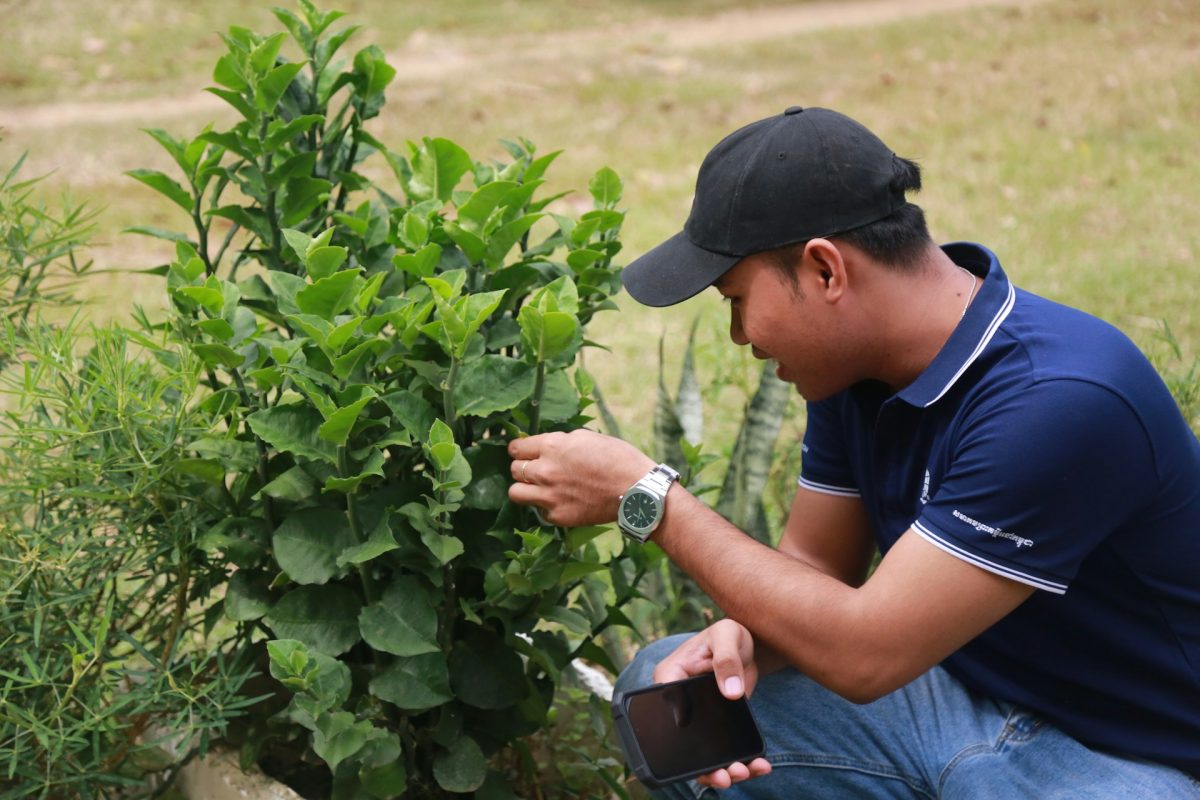
Routine inspections keep surprises to a minimum. A quick scan of leaves every few days helps catch early signs before they turn into major issues. Paying extra attention during warm, dry periods with humid air can help identify risk factors before they escalate. Prevention doesn’t rely on a single trick—it comes from combining smart habits that create an environment where powdery mildew struggles to survive.
Catch It Early & Win Every Time
Powdery mildew doesn’t need to ruin a garden or wipe out beloved plants. Quick recognition, fast action, and a few simple changes can stop it before it gains control. That white, powdery coating may look harmless at first glance, but it always signals a problem that deserves attention right away. Staying proactive keeps plants healthy, vibrant, and growing strong without constant battles against disease.
Which strategies have worked best for you when it comes to tackling powdery mildew, and what plants seem to attract it the most? Share all of your thoughts and experiences below.
You May Also Like…
March Seedling Diseases to Watch For
Why Gardeners Are Accidentally Spreading Disease With This Common Tool
March Garden Pests That Show Up Before You Notice the Damage
12 Of The Worst Garden Pests And How To Get Rid Of Them
This One Winter Gardening Habit Could Be Spreading Invasive Pests Across the South

Brandon Marcus is a staff writer for FrugalGardening.com at District Media, Inc., where he delivers practical gardening advice with a relatable, no-nonsense style. An avid amateur gardener, he holds a BA degree and with over ten years of professional writing experience, he is also an award-winning published author whose first book, Questions For Deep Thinkers, was released by Adams Media. His work has appeared in major publications including Fandom.com, CHUD.com, TheColdWire.com, and Fansided.com.
Leave a Reply