Every growing season brings the same battle. Tender leaves attract hungry insects, tomatoes suddenly look like an all-you-can-eat buffet, and gardeners start eyeing expensive sprays, traps, and powders. Companion planting offers a different path by using plant partnerships instead of opening a wallet.
The idea sounds almost too simple, yet many experienced gardeners rely on it because it works as part of a bigger strategy. Companion planting will not create an invisible force field around vegetables, but the right combinations can confuse pests, attract helpful insects, improve airflow, and make the entire garden more balanced. Best of all, many companion plants already belong in a kitchen garden, so the benefits often come without adding another item to the shopping list.
Why Some Plants Make Better Neighbors Than Others
Companion planting works because insects search for food in surprisingly specific ways. Many pests locate favorite crops through scent, shape, or color, and a diverse planting bed makes that search much more difficult. A solid block of cabbage practically waves a giant welcome flag at cabbage worms, while scattered herbs and flowers break up the visual and scent signals those insects expect to find. That natural confusion often leads fewer pests directly onto valuable crops before beneficial insects even enter the picture.
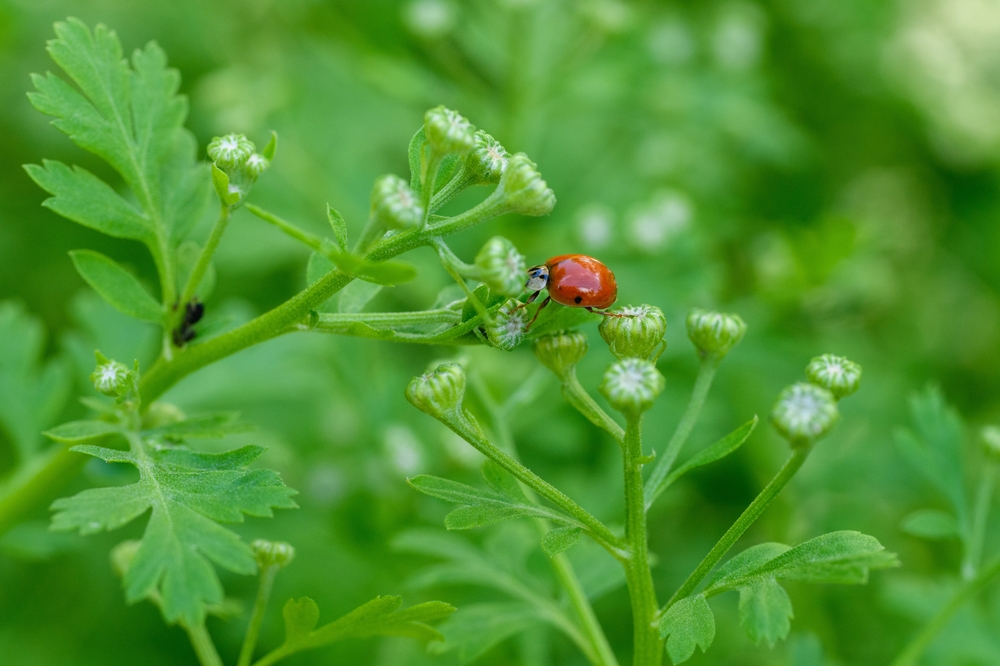
The garden also becomes a much friendlier place for predators that actually help. Tiny parasitic wasps, hoverflies, lacewings, and lady beetles all need nectar or pollen during parts of their life cycle. Flowers tucked between vegetables provide those resources while keeping these helpful hunters close to aphids, caterpillars, and other destructive insects. Instead of treating pests after damage appears, companion planting creates conditions where natural predators stick around and help keep populations under control.
Marigolds Earn Their Reputation, With a Few Important Limits
Marigolds probably receive more attention than any other companion plant, and they deserve some of the praise. Their bright blooms attract pollinators and beneficial insects while adding cheerful color between vegetables. Certain French marigold varieties can also help reduce some species of root-knot nematodes when gardeners grow them as part of a crop rotation, although they will not solve every soil pest problem.
The biggest mistake comes from expecting marigolds to repel every insect in the garden simply because someone on social media said so. They cannot chase away every beetle, hornworm, or squash bug through scent alone. Gardeners see the best results when marigolds become one piece of a larger planting plan that also includes crop rotation, healthy soil, good spacing, and regular inspections. In other words, marigolds deserve a seat at the table, but they should not carry the whole team.
Herbs Pull Double Duty in the Vegetable Garden
Many favorite kitchen herbs also happen to make excellent garden companions. Basil grows beautifully near tomatoes, attracts pollinators when allowed to flower, and adds another useful harvest for the dinner plate. Dill draws beneficial insects that feed on aphids while serving as a host plant for swallowtail butterfly caterpillars, making the garden both productive and lively.
Other herbs deserve attention for practical reasons beyond pest management. Chives and green onions fit neatly into small spaces and help diversify planting beds without sacrificing valuable room. Thyme creates a low-growing carpet that helps shade soil while offering nectar to pollinators. Instead of filling an empty corner with decorative plants alone, herbs turn every square foot into something both beautiful and useful.
Diversity Usually Beats Perfectly Organized Rows
Perfectly straight rows look impressive in seed catalogs, but pests often appreciate that tidy arrangement just as much. A long stretch of identical plants allows insects to move from one meal to the next without much effort. Mixing flowers, herbs, leafy greens, and vegetables throughout a bed creates a patchwork that interrupts that easy buffet line.
This approach also supports healthier growing conditions in several ways. Different plant heights create varying amounts of shade, airflow, and moisture retention across the garden. Pollinators encounter blooms throughout the space instead of visiting one isolated flower bed before leaving. The entire garden starts behaving more like a balanced ecosystem than a collection of separate crops standing alone.
Save Money by Working With Nature Instead of Against It
Companion planting appeals to gardeners because it stretches every gardening dollar. Instead of buying multiple pest-control products throughout the season, gardeners often rely on seeds or seedlings they already planned to grow. A packet of nasturtiums, basil, or dill serves several purposes at once by adding beauty, attracting beneficial insects, and producing edible harvests.
That savings also grows over time because companion planting encourages observation instead of constant reaction. Gardeners begin noticing which combinations perform well in their own climate and soil. One season might reveal that calendula attracts countless pollinators near squash, while another highlights how dill draws hoverflies exactly where aphids usually appear. Those lessons become even more valuable than another bottle sitting on a store shelf.
The Smartest Gardens Stack Small Advantages Together
Companion planting does not promise a pest-free paradise, and anyone making that claim oversells the idea. Healthy gardens succeed because several good practices work together, including proper watering, healthy soil, crop rotation, careful spacing, and regular monitoring. Companion planting simply strengthens that system by giving beneficial insects more reasons to stay while making life a little harder for destructive pests.
That balanced approach often delivers something even better than perfect leaves. Gardens become more colorful, more diverse, and more enjoyable to spend time in throughout the season. The vegetables benefit, pollinators benefit, and the gardener usually spends less money chasing problems after they appear. Sometimes the smartest garden upgrade comes from choosing better neighbors instead of buying another product.
Which companion planting combination has delivered the biggest surprise in the garden, or which pairing deserves a spot in next season’s planting plan? Share experiences and favorite combinations in the comments below.
You May Also Like…
Should You Transplant Volunteer Seedlings During Hot Weather?
7 Ways to Build a Backyard Retreat With Plants You Already Own
Companion Planting Cheat Sheet: Perfect Pairings That Boost Growth and Save Space
7 Companion Pairings That Boost Growth Naturally
Why Are More Gardeners Choosing Plants With Multiple Uses?

Brandon Marcus is a staff writer for FrugalGardening.com at District Media, Inc., where he delivers practical gardening advice with a relatable, no-nonsense style. An avid amateur gardener, he holds a BA degree and with over ten years of professional writing experience, he is also an award-winning published author whose first book, Questions For Deep Thinkers, was released by Adams Media. His work has appeared in major publications including Fandom.com, CHUD.com, TheColdWire.com, and Fansided.com.
Leave a Reply