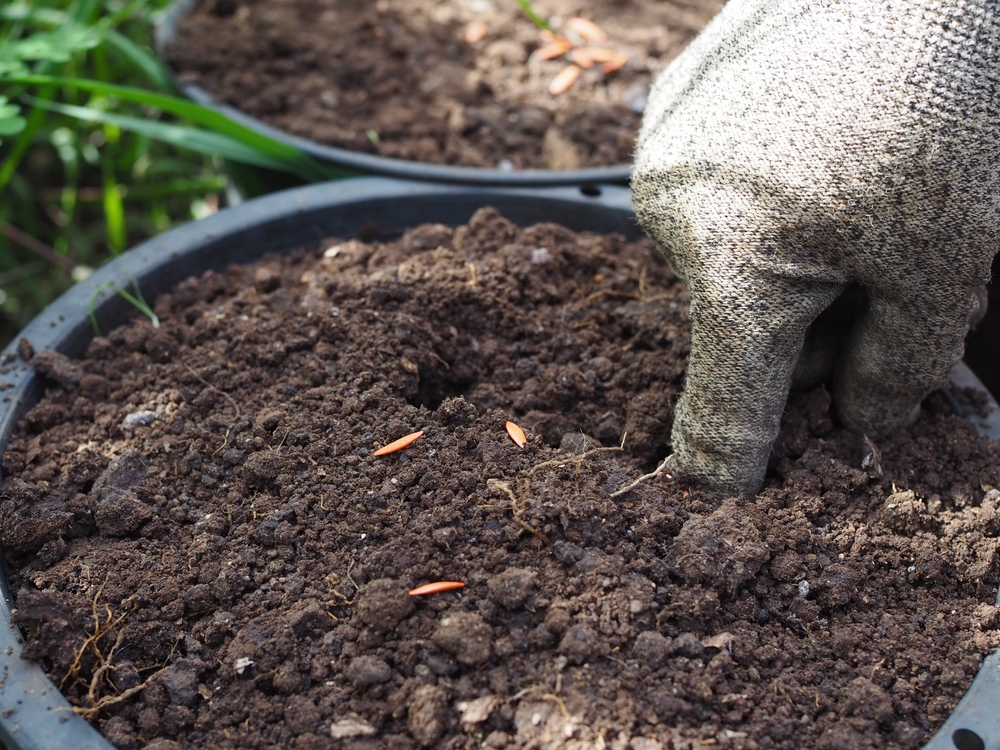
Your soil may look dry, dusty and perfectly ordinary, yet water can behave like it just spotted a puddle at a fancy party. Instead of soaking into the ground, water beads on top, runs away or disappears through a few cracks while nearby plants still sit thirsty.
Hydrophobic soil often develops when organic compounds coat soil particles and make them repel water. Wildfire damage, prolonged drought, decomposing plant material and certain soil conditions can all contribute, but the symptoms usually show up in the garden first. Spotting the problem early can help gardeners correct water movement before plants struggle, fertilizer washes away or irrigation turns into an expensive exercise in watering the sidewalk.
1. Water Beads Up Instead of Soaking In
The first clue often appears the moment a hose or watering can meets the soil. Water forms shiny beads on the surface, almost like tiny glass marbles, instead of darkening the soil as it sinks below the surface. A gentle shower may sit there for several minutes, especially on dry potting mix or soil with a heavy layer of water-repellent organic residue.
A little surface runoff can happen on compacted ground, sloped beds or hard clay, so one puddle does not automatically prove hydrophobic soil. The bigger clue appears when dry soil repeatedly resists water even after slow, gentle irrigation. Try applying a small amount of water to several spots, and watch whether the soil absorbs it evenly or sends it racing toward the nearest low point.
2. Water Runs Away From the Plant Root Zone
Hydrophobic soil can create a frustrating garden illusion: the gardener waters thoroughly, yet the roots receive very little moisture. Water may travel sideways across the surface or move through narrow cracks while leaving large areas of soil dry underneath. A plant can wilt even though the ground around it looks freshly watered.
Digging a small inspection hole can reveal the problem quickly. If the top looks damp but the soil just a few inches below remains powdery and dry, the water may not have moved where roots need it. Gardeners should check several locations because compacted soil, buried rocks and uneven irrigation can create similar symptoms.
3. Dry Soil Shrinks Into Cracks and Hard Clumps
Severely dry soil often develops cracks, but hydrophobic soil can make the situation even more dramatic. Water may slide through those cracks without spreading into the surrounding soil, creating a strange underground version of a leaky roof. The surface receives water, but the root zone still acts like it missed the memo.
The texture can offer another clue. Soil may form hard, dry clumps that resist wetting even after repeated irrigation, while other areas remain loose and dusty. Gardeners should avoid assuming that more water will solve the problem, because flooding a water-repellent soil surface can increase runoff without fixing the underlying issue.
4. Potted Plants Dry Out Shockingly Fast
Container gardeners often spot hydrophobic soil before anyone else does. Potting mix can become so dry that water rushes down the sides of the container and exits through the drainage holes almost immediately. The plant receives a drink in theory, but much of the water takes the express route past the root ball.
This problem commonly appears when a container dries completely and the mix pulls away from the sides of the pot. A slow soak can help rehydrate the mix, especially when gardeners place the container in a shallow tray of water for a limited period and allow the mix to draw moisture upward. Afterward, gardeners should let excess water drain fully rather than leaving the plant sitting in a permanently waterlogged container.
5. Irrigation Creates Puddles in Unexpected Places
Hydrophobic soil can turn a simple sprinkler cycle into a miniature water park. Instead of spreading through the bed, irrigation may collect in low spots, flow around plants or run off the edge of a lawn. The pattern often looks uneven, with some areas staying bone dry while others receive far more water than they need.
Slow application offers a useful diagnostic test. A gentle drip or light spray gives water more time to enter the soil than a powerful stream from a hose. If slow watering still creates persistent runoff or puddling on very dry soil, the garden may need more than a longer irrigation cycle.
6. Plants Wilt Even After Regular Watering
Wilting plants can point to many problems, including root damage, disease, excessive heat and poor watering habits. Hydrophobic soil enters the picture when the gardener waters regularly but the root zone remains dry. The calendar says the plant received water, but the soil tells a very different story.
Check the soil beneath the surface before reaching for more fertilizer or adding another irrigation cycle. A hand trowel can reveal whether moisture actually reaches the roots, while a simple soil probe can expose dry layers beneath a damp surface. If the plant repeatedly wilts after watering, investigate where the water goes instead of assuming the plant simply needs more of it.
7. Water Absorbs Unevenly Across the Same Bed
A garden bed can develop patchy water behavior, with one area absorbing moisture normally while another repels it. That uneven pattern often creates confusing plant growth, because two plants receiving the same irrigation can experience completely different soil conditions. One looks fine while the other droops dramatically by midafternoon.
Gardeners can test several spots with the same small amount of water and compare the results. Mark areas that repel water, then inspect them for heavy mulch layers, compacted soil, wildfire residue or extremely dry organic material. Once the cause becomes clearer, gardeners can focus the repair instead of treating the entire garden like a mysterious botanical crime scene.
How to Help Water-Rejecting Soil Accept Moisture Again
Start with patience rather than a sudden flood. Apply water slowly and repeatedly, allowing each application time to move into the soil before adding more. In garden beds, gently loosening the surface without damaging plant roots can improve contact between water and soil, while incorporating finished compost into appropriate planting areas can improve soil structure over time.
Mulch can also help reduce rapid drying, but gardeners should avoid piling thick layers directly against plant stems or trunks. In containers, fully rehydrating dry potting mix may require a slow soak, followed by thorough drainage. Commercial wetting agents can help in some situations, particularly with severely water-repellent potting mixes, but gardeners should follow the product label and avoid treating every soil problem as a product problem.
The biggest mistake involves watering faster instead of watering smarter. A high-pressure stream can simply move water across the surface, while a slow drip gives the soil a better opportunity to absorb moisture. If the soil remains stubbornly water-repellent after repeated gentle watering, gardeners should investigate compaction, severe organic residue, wildfire effects or other underlying conditions.
The Soil Test That Can Save a Garden From Water Waste
Hydrophobic soil often announces itself through simple clues: beading water, runoff, dry cracks, uneven moisture and plants that wilt despite regular irrigation. Those signs matter because a watering schedule cannot fix a problem that prevents water from reaching the root zone. The soil needs better contact with moisture, not necessarily a bigger drink.
A quick inspection can prevent weeks of guesswork. Apply water slowly, check beneath the surface, compare several locations and watch what happens after irrigation stops. When water finally moves into the soil instead of skating across the top, the garden has solved one of its sneakiest problems.
Could your garden soil be repelling water instead of absorbing it, and which of these signs have you noticed?
You May Also Like…
5 Ways to Revive Soil That Has Turned Hard and Crusty
The Cheap Mulch Materials That Can Damage Plants or Soil
Smart Garden Tech: Drip Irrigation and Soil-Moisture Sensors Conserve Water and Money
7 Spring Soil Picks That Thrive Early
5 Health-Boosting Soil Practices That Work Quickly

Brandon Marcus is a staff writer for FrugalGardening.com at District Media, Inc., where he delivers practical gardening advice with a relatable, no-nonsense style. An avid amateur gardener, he holds a BA degree and with over ten years of professional writing experience, he is also an award-winning published author whose first book, Questions For Deep Thinkers, was released by Adams Media. His work has appeared in major publications including Fandom.com, CHUD.com, TheColdWire.com, and Fansided.com.
Leave a Reply