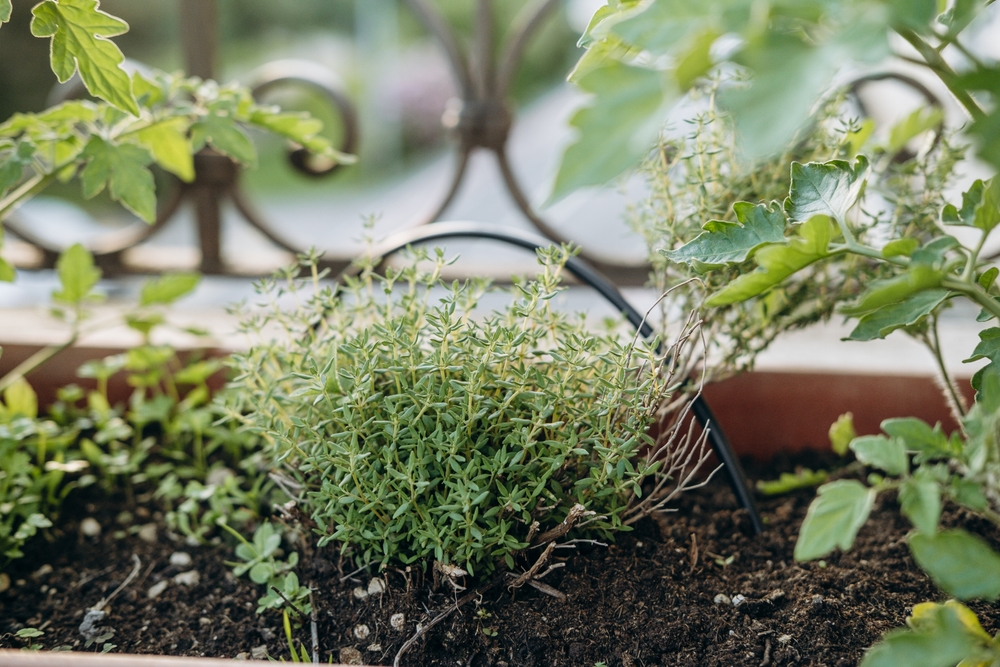
Gardeners are mixing herbs into flower borders because a garden does not need to choose between looking beautiful and producing something useful. A border filled with flowers, fragrant foliage, and a few carefully placed herbs can create a garden that looks intentional while supplying fresh ingredients for the kitchen.
This approach also solves a common garden-design problem: what to do with all that space between the showstoppers. Herbs can fill gaps, soften edges, add texture, attract beneficial insects, and provide a reason to wander outside with a pair of scissors. The trick involves choosing the right herbs and giving each plant enough room, sunlight, and drainage to perform well.
1. Herbs Add Texture When Flowers Take a Break
Flowers often steal the spotlight, but foliage keeps the garden interesting between bursts of color. Herbs such as sage, thyme, oregano, rosemary, chives, and fennel bring different shapes and textures that can make a flower border look layered instead of flat.
Purple sage offers soft, silvery foliage, while upright rosemary adds structure in suitable climates. Chives create neat clumps of green leaves before sending up round blooms, and thyme can spill over the edge of a path or raised bed. That combination gives the border something to look at even when the roses are resting and the daylilies have finished their show.
2. The Garden Can Feed the Kitchen Too
A flower border does not need to function as pure decoration. Planting herbs among ornamentals creates a small edible landscape where a gardener can snip fresh flavor without making a separate trip to a dedicated vegetable patch.
Basil can grow near sunny annuals, parsley can fill a partly shaded spot, and chives can tuck neatly around perennials. Gardeners should still pay attention to soil conditions and watering needs, because a thirsty herb next to a drought-tolerant flower can create a maintenance headache. The best combinations place plants with similar needs together, which keeps the border attractive and the gardener’s workload reasonable.
3. Fragrance Turns a Border Into an Experience
Flowers can make a garden beautiful, but herbs can make it smell like something wonderful happened nearby. Walk past rosemary, mint, lemon balm, thyme, or lavender, and a gentle brush of foliage can release a scent that changes the entire mood of the space.
That sensory quality makes herbs especially useful beside paths, patios, steps, and other places where people naturally pass close to plants. Mint and lemon balm require extra caution because both can spread aggressively, so containers or dedicated barriers can help keep them from staging a garden takeover. A fragrant border should invite people closer, not force them into a wrestling match with runaway roots.
4. Herbs Can Help Welcome Beneficial Insects
Many herbs produce flowers that attract pollinators and other useful garden visitors. Chives, oregano, thyme, fennel, dill, and flowering basil can provide valuable nectar and pollen when gardeners allow some plants to bloom instead of harvesting every leaf.
That choice creates an easy compromise between the kitchen and the wider garden. Harvest regularly from some plants while allowing others to flower, and the border can provide both fresh ingredients and food for insects. Dill and fennel also support swallowtail butterfly caterpillars, although gardeners should expect some hungry caterpillars to treat the foliage like an all-you-can-eat buffet.
5. Herbs Bring Color Without Relying Only on Flowers
Garden color does not have to come from petals alone. Herbs can contribute silver, blue-green, chartreuse, deep green, purple, and even burgundy tones that help a border look more polished.
Purple basil can add a dramatic accent among lighter flowers, while sage and dusty miller create cool-toned contrast in sunny beds. Bronze fennel brings airy texture and warm color, although its eventual size requires thoughtful placement. Using herbs as foliage plants gives gardeners another way to build a color palette, especially in borders where too many bright blooms could make the design look visually chaotic.
6. Mixing Plants Creates More Flexible Garden Design
Herbs can make a flower border easier to adapt when the garden changes from season to season. Annual herbs can fill temporary gaps, while perennial herbs can anchor the design and return year after year in climates that suit them.
A gardener might place thyme along the front edge, tuck chives between flowering perennials, and reserve a sunny corner for rosemary or sage. That arrangement creates layers without forcing every plant into a separate row, which often makes gardens look more natural and less like a lineup waiting for inspection. The key involves matching each herb to its mature size, sunlight requirements, drainage preferences, and spreading habits before planting.
The Best Flower Borders Have More Than One Job
Mixing herbs into flower borders works because it gives the garden several jobs at once. The plants can provide color, texture, fragrance, food, habitat, and seasonal interest without turning the landscape into a patchwork of unrelated plants.
The smartest approach starts small rather than cramming every available herb into one bed. Choose plants that share similar growing conditions, keep aggressive spreaders contained, and leave enough space for mature growth. A border that looks slightly sparse on planting day often looks much better later than one that begins as a botanical traffic jam.
The result can feel both practical and ornamental, which makes the garden more enjoyable to maintain. A handful of chives near the flowers or thyme spilling beside a walkway may not seem revolutionary, but those small choices can transform a border from a pretty edge into a living part of the household. Which herb would make the perfect addition to a flower border in the garden?
You May Also Like…
Foraging Gardens: RHS Says Plant Borage, Sorrel and Herbs You Can Eat Straight from the Yard
7 Garden Crops That Benefit From a Second Sowing
Why DIY Bath Salts From Garden Herbs May Be Causing Bad Reactions
How to Grow Fresh Herbs on a Windowsill Without Buying Garden Soil
6 Culinary Herbs That Take Off Quickly When Planted Now

Brandon Marcus is a staff writer for FrugalGardening.com at District Media, Inc., where he delivers practical gardening advice with a relatable, no-nonsense style. An avid amateur gardener, he holds a BA degree and with over ten years of professional writing experience, he is also an award-winning published author whose first book, Questions For Deep Thinkers, was released by Adams Media. His work has appeared in major publications including Fandom.com, CHUD.com, TheColdWire.com, and Fansided.com.
Leave a Reply