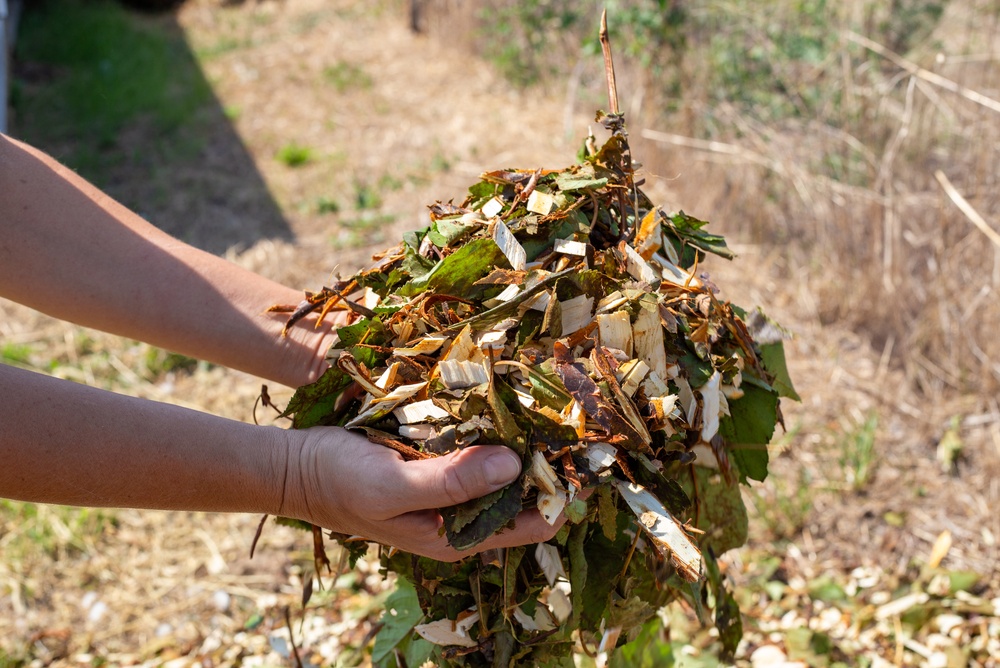
Before you buy another bag of compost, stack of seed-starting pots, or roll of weed barrier, take a look inside your recycling bin and trash can. Some of the most useful free garden materials are things households routinely throw away, from cardboard boxes and coffee grounds to fallen leaves and empty containers. That doesn’t mean every viral “garden hack” is worth trying, because some household waste can attract pests, spread disease, or even harm plants when used incorrectly. However, university Extension experts recommend several surprisingly ordinary materials for composting, mulching, seed starting, and improving garden soil. Here are 10 things worth rescuing before trash day—and how to use them without creating a bigger gardening problem.
1. Cardboard Boxes Can Become a Weed Barrier
Those delivery boxes piling up after online shopping can potentially replace purchased weed-blocking materials in certain garden projects. Oregon State University recommends cardboard as a base for sheet mulching, where it blocks light and helps suppress existing grass and weeds underneath a new garden bed. Remove tape, shipping labels, staples, and other noncompostable material, overlap the cardboard so vegetation can’t easily emerge between pieces, and wet it thoroughly before covering it. Add compost, leaves, grass clippings, straw, or other appropriate organic material above it and the cardboard gradually decomposes rather than requiring removal. That’s one large source of free garden materials that may save you from buying landscape supplies for a new bed.
2. Coffee Grounds Belong in the Compost Pile
If you brew coffee every morning, you’re generating a steady stream of garden material without realizing it. Spent coffee grounds can benefit soil and compost, but warns gardeners against getting overly enthusiastic because excessive quantities can cause problems. OSU recommends keeping grounds to no more than about 20% of the total compost pile volume and balancing them with other materials. Paper coffee filters can go into the compost pile too, giving you another item to divert from the trash. Don’t assume coffee grounds alone are a complete fertilizer, however, because the nutrients they provide aren’t sufficient to meet all of a plant’s needs.
3. Fallen Leaves Are Basically Free Organic Matter
Bagging autumn leaves and then purchasing mulch or compost is one of gardening’s stranger financial cycles. Oregon State calls deciduous leaves one of the best readily available sources of organic matter for vegetable gardens and other cultivated areas. Leaves can be composted, shredded for mulch, or applied over appropriate garden beds in fall, where they help protect soil and suppress winter annual weeds. Chopping leaves with a mower can make them easier to manage and speed decomposition compared with leaving thick mats of whole leaves in certain areas. If your trees produce bags of leaves every autumn, you already have a substantial supply of free garden materials growing overhead.
4. Vegetable Scraps Can Come Back as Compost
Carrot peels, lettuce ends, apple cores, and other appropriate fruit and vegetable scraps don’t necessarily have to leave your property in a garbage truck. Oregon State’s home composting guidance identifies kitchen scraps as useful nitrogen-rich “green” material for a compost pile. Mix them with carbon-rich “browns” such as dried leaves, straw, shredded paper, or wood chips rather than creating a wet pile composed entirely of food waste. Meat, dairy products, oils, and pet or human waste should stay out of an ordinary backyard compost pile because they can create health, odor, and pest problems. Done correctly, yesterday’s vegetable trimmings can eventually help improve the soil growing tomorrow’s vegetables.
5. Toilet Paper Tubes Can Become Seed Pots
You don’t necessarily need to purchase a new plastic cell tray every time you start a few seedlings. University of Illinois lists toilet paper tubes, egg cartons, eggshells, peat pots, and plastic containers among possible seed-starting containers. Whatever you reuse must hold the growing medium while still allowing excess moisture to drain, so drainage matters more than how clever the container looks. Fill your homemade pots with proper seed-starting medium rather than backyard soil, which can be dense and potentially contain weeds or disease organisms. For gardeners starting dozens of plants, turning household packaging into free garden materials can trim a few more dollars from the spring planting budget.
6. Egg Cartons Can Start Small Seedlings
An empty egg carton has conveniently divided cells that make it tempting to send it straight from breakfast to the seed-starting shelf. Illinois Extension specifically includes egg cartons among the containers gardeners can use for starting seeds, provided excess water can drain away. Their small volume means seedlings may outgrow the cells quickly, so think of them as temporary starter containers rather than permanent homes. Cardboard cartons can also soften when repeatedly watered, which makes placing them on a waterproof tray a sensible precaution indoors. Reusing something you already own won’t transform your gardening budget, but small savings repeated across dozens of seedlings add up.
7. Eggshells Can Go Into Compost—With a Catch
Eggshells are useful, but not for quite the magical reasons social-media garden posts sometimes claim. Eggshells contain calcium carbonate and can be added to compost, but large shell pieces break down extremely slowly. Grinding shells into much smaller particles speeds their breakdown and makes the calcium more accessible over time. Simply dropping a few roughly crushed shells into a tomato planting hole isn’t an instant cure for calcium-related problems such as blossom-end rot. Treat eggshells as another compost ingredient rather than a miracle fertilizer and you’ll have much more realistic expectations.
8. Shredded Paper Can Supply Compost Carbon
A pile full of vegetable scraps and grass clippings needs dry, carbon-rich ingredients to maintain a better composting balance. Oregon State Extension includes shredded paper among the “brown” materials suitable for home composting, alongside leaves, straw, sawdust, and wood chips. That makes appropriate household paper potentially useful when autumn leaves or other dry materials aren’t readily available. Shred it before mixing it through the pile rather than dumping thick stacks of paper into one soggy layer. Combined with food scraps and coffee grounds, this otherwise disposable material helps create the mixture needed to eventually produce usable compost.
9. Old Newspaper Can Smother Weeds
Today’s newspaper can become tomorrow’s weed-control layer rather than tomorrow’s recycling. Multiple layers of newspaper can create a weed barrier that decomposes during the growing season. Oregon State also recommends overlapping layers of newspaper or cardboard when building sheet-composted garden beds. Cover the paper with suitable mulch so it stays in place and doesn’t turn your yard into a windblown newspaper collection. It’s another example of free garden materials replacing something you might otherwise purchase specifically for weed suppression.
10. Healthy Garden Trimmings Can Feed Next Year’s Soil
The remains of this year’s garden may still contribute to next year’s harvest. Grass clippings, healthy plant trimmings, stalks, leaves, and other appropriate yard debris can become compost rather than leaving your property in bags. The important exception is diseased plant material, which Oregon State recommends keeping out of ordinary home compost because many backyard piles may not reliably destroy pathogens. Persistent weeds and weeds carrying mature seeds also deserve extra caution, particularly in piles that don’t reach sustained high temperatures. Sort your fall cleanup instead of automatically throwing everything away, and a surprising amount of what looks like garden waste can become a future soil amendment.
Your Trash Can Might Be Hiding Next Year’s Garden Budget
The goal isn’t to save every yogurt cup and banana peel until your garage resembles a recycling center; it’s to recognize genuinely useful free garden materials before paying for equivalent supplies. Cardboard and newspaper can suppress weeds, leaves and kitchen scraps can become compost, and simple household containers can sometimes replace purchased seed-starting pots. The biggest savings often come from combining these habits—for example, composting coffee grounds and vegetable scraps with free leaves instead of purchasing multiple bags of finished compost each season. Stick with evidence-backed uses and remember that “natural” or “free” doesn’t automatically mean something belongs directly around your plants.
What household item do you routinely reuse in your garden instead of throwing it away? Share your favorite money-saving garden trick in the comments.
What to Read Next
Don’t Throw Away Those Dead Flower Heads — They Could Save You Money Next Spring
9 Things Gardeners Should Never Throw Away at the End of Summer
Leave a Reply