Summer storms have a talent for finding the one loose fence panel, wobbly trellis, cracked branch, or clogged drain that everyone forgot about. A garden can look perfectly fine under blue skies, then turn into a slapstick production the moment wind and heavy rain arrive. A few small repairs before the next storm can protect plants, reduce cleanup, and prevent a minor garden problem from becoming an expensive headache.
The smartest storm preparation does not require turning the backyard into a military operation. A walk around the garden, a careful look at anything tall or loose, and a little attention to where water goes can reveal most trouble spots. Grab a pair of gloves, leave the heroic storm-chasing behavior to the weather radar, and tackle these five repairs while the garden still feels calm.
1. Reinforce Wobbly Trellises, Arbors, and Plant Supports
A trellis covered with beans, cucumbers, roses, or flowering vines can catch wind like a sail, especially when the foliage gets thick. Check every support by giving it a gentle shake, then inspect the base for loose soil, rotten wood, cracked fasteners, or leaning posts. Push small supports deeper into firm soil and secure larger structures to sturdy stakes or posts instead of relying on a single flimsy anchor. A garden center staple that looks sturdy in May can turn into a leafy kite by July.
Pay special attention to tall plants that carry their weight high above the ground, such as tomatoes, sunflowers, climbing beans, and some ornamental grasses. Use soft plant ties that allow a little movement, because rigid wire or thin string can cut into stems as the plants sway. If a trellis already leans before the storm arrives, the wind will not offer a polite second opinion. Repair it now, while the fix involves a few minutes with a hammer instead of a post-storm rescue mission involving tangled vines and a bruised ego.
2. Remove Dangerous Branches Before Wind Finds Them
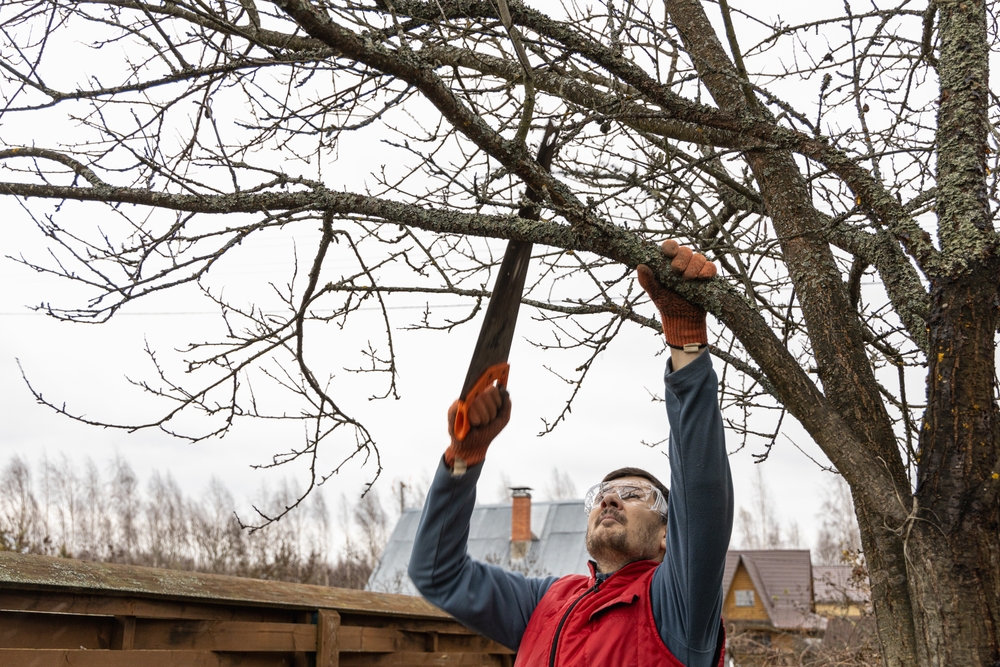
Storm preparation starts with a close look at trees and large shrubs, particularly branches that hang over patios, sheds, pathways, play areas, or valuable garden structures. Look for dead limbs, cracked branches, hanging sections, and places where two branches rub against each other. A branch with a visible split deserves immediate attention, especially if the crack extends from a major limb toward the trunk. Do not climb into a tree with a chainsaw or attempt risky high cuts from a ladder, because one bad decision can turn garden maintenance into an emergency.
Small dead twigs and low branches often fall within the ability of a careful homeowner with the right pruning tools, but large or elevated limbs require professional tree work. Prune with a clear goal rather than hacking away at every branch that looks inconvenient. Removing damaged wood can reduce hazards, while excessive pruning can stress a tree and leave it with less protection from strong winds. The best time to discover a questionable branch comes during a quiet afternoon, not while thunder is rolling and the tree is doing its best impression of a metronome.
3. Clear Gutters, Drains, and Garden Water Pathways
Heavy rain creates problems when water cannot move where it should. Clear leaves, mulch, soil, and plant debris from drainage grates, catch basins, downspout outlets, and shallow channels that direct water away from beds and structures. Even a small blockage can send runoff into a garden bed, across a walkway, or toward a foundation. Water always looks for the easiest route, and a clogged drain may accidentally make that route straight through the most expensive part of the yard.
Check where downspouts release water after a storm, too, because a downspout that empties directly beside a garden bed can wash away soil and expose plant roots. Extend the outlet toward a suitable drainage area, but avoid directing concentrated water onto a neighbor’s property or toward a slope that could erode. In raised beds, inspect the soil level and the edges for places where water might spill over and carve a miniature canyon. A few minutes with a rake and shovel can prevent the kind of muddy excavation project that nobody puts on the weekend calendar.
4. Repair Raised Beds, Edging, and Loose Garden Walls
Raised beds and garden borders can take a beating when saturated soil pushes outward and heavy rain pounds the ground. Inspect wooden boards for rot, loose screws, and bowing, then check stone or block edging for gaps and shifting sections. Replace damaged materials before the next storm instead of waiting for a wall to collapse into a bed of herbs. Even a modest repair can keep soil in place and protect the neat separation between lawn, path, and planting area.
Pay attention to slopes and areas where rainwater already creates channels. Add soil where erosion has exposed roots, but avoid burying the crowns of plants or piling soil against tree trunks. Mulch can slow the impact of raindrops and reduce soil splash, yet a thick layer against stems can trap moisture and invite decay. The goal involves guiding water gently, not building a miniature dam system beside the petunias.
5. Secure Pots, Hanging Baskets, and Lightweight Garden Decor
Containers become surprisingly mobile during strong winds, especially lightweight plastic pots, empty planters, hanging baskets, and tall decorative pieces. Move small containers into a sheltered location before the storm, and place heavier pots where wind cannot easily push them into windows, doors, or delicate plants. Check hanging baskets for worn hooks, frayed chains, and weak mounting points. A basket that hangs peacefully all summer can become a swinging wrecking ball when gusts arrive.
Garden furniture and decorative items deserve the same inspection. Secure lightweight chairs, umbrellas, bird feeders, and loose decorations, while removing anything that could become airborne. Do not forget empty containers, which can roll across a yard and collect water in awkward places. A quick pre-storm sweep can protect plants, windows, and the neighbor’s prized garden gnome from an unexpected change of address.
The Best Storm Repair Happens Before the Clouds Turn Mean
A summer storm can expose every weak point in a garden, from a loose trellis to a drainage problem hiding under a mat of leaves. The most useful repairs focus on three simple goals: secure anything that can move, remove anything that can fall, and give excess water somewhere sensible to go. Walk the garden with those goals in mind, and the checklist becomes much easier to manage.
Small fixes also create a practical advantage after the storm. A secured plant support can save a crop, a cleared drain can prevent erosion, and a repaired bed edge can keep valuable soil from washing away. The garden does not need perfect protection from every gust of wind or drop of rain, but it does need fewer obvious weak spots. Make the repairs while the sun is shining, because storm clouds have terrible timing and absolutely no respect for weekend plans.
Which garden repair has saved the most trouble before a summer storm, or which one needs attention before the next storm arrives? Share your experience in the comments.
You May Also Like…
How to Repair Garden Tools Instead of Replacing Them
No‑Mow Flowering Lawns Attract Pollinators and Reduce Maintenance—Here’s How to Start
5 Reasons Tabletop Vegetable Gardens Work Well for Renters
Don’t Get Left in the Cold: The Importance of Expert Furnace Repair
Can a Garden Journal Help You Spend Less Next Season?

Brandon Marcus is a staff writer for FrugalGardening.com at District Media, Inc., where he delivers practical gardening advice with a relatable, no-nonsense style. An avid amateur gardener, he holds a BA degree and with over ten years of professional writing experience, he is also an award-winning published author whose first book, Questions For Deep Thinkers, was released by Adams Media. His work has appeared in major publications including Fandom.com, CHUD.com, TheColdWire.com, and Fansided.com.
Leave a Reply