A backyard garden often feels like a peaceful escape, filled with color, fragrance, and life. But that lively little ecosystem sometimes invites more than butterflies and bees. Certain popular plants quietly roll out the welcome mat for pests that love to settle in, feed, and multiply fast. What looks like a thriving garden bed can quickly turn into a hotspot for aphids, beetles, slugs, and other uninvited guests. Knowing which plants attract these bugs helps gardeners stay one step ahead without giving up their favorite greenery.
This is not about tearing out beloved plants or turning gardens into sterile spaces. Instead, it is about spotting the hidden connections between plant choices and pest activity. Once those patterns become clear, it becomes much easier to manage bugs naturally and keep outdoor spaces enjoyable.
1. Tomato Plants Bring More Than Summer Harvests
Tomato plants rank among the most loved backyard crops, but they also draw a steady stream of pests. Hornworms can strip leaves overnight, leaving behind bare stems and frustration. Whiteflies and aphids also gather on the undersides of leaves, feeding in clusters that weaken the plant. Warm weather makes these pests even more active, especially when tomatoes grow in dense, humid patches.
Gardeners often notice that tomato plants look healthy one week and stressed the next. Small changes like curled leaves or sticky residue signal insect activity early. Companion planting with basil or marigolds can help, but regular inspection remains essential. Healthy airflow between plants also reduces pest pressure and keeps tomatoes more manageable.
2. Roses Attract Aphids Like a Magnet
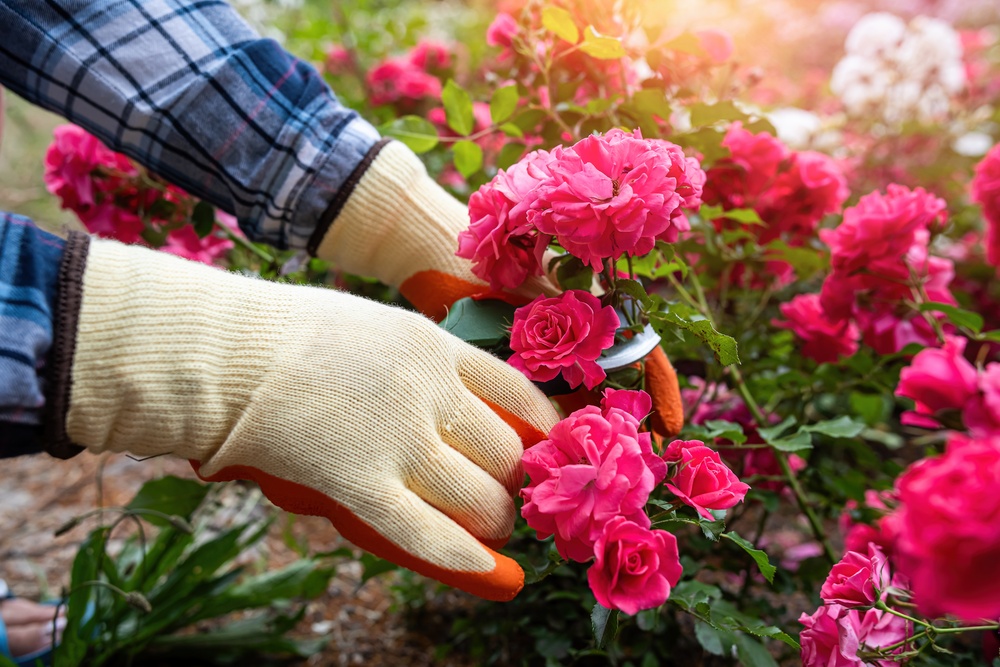
Roses bring beauty and fragrance to any backyard, yet they also attract a wide range of insects. Aphids love tender rose buds and new growth, often clustering in thick groups. Japanese beetles also chew through petals and leaves, leaving behind skeleton-like damage. These pests tend to appear quickly during peak blooming season, especially in warm spells.
The combination of soft petals and nutrient-rich sap makes roses a prime target. Gardeners often spot curled leaves or sticky honeydew as early warning signs. Pruning crowded stems helps reduce hiding spots for insects. Regular rinsing with a strong spray of water can knock aphids off before they multiply.
3. Hostas Create a Slug Paradise
Hostas earn praise for their lush foliage and shade tolerance, but slugs and snails view them as an open buffet. These pests chew irregular holes into leaves, especially overnight when humidity rises. Moist soil and dense leaves create the perfect hiding environment. Damage often appears suddenly, making hostas look ragged within days.
Many gardeners notice that hostas near mulch or shaded corners suffer the most. Slugs move easily through damp ground and climb up leaves without hesitation. Reducing excess moisture helps limit their activity. Spacing plants properly also reduces the dark, damp conditions these pests prefer.
4. Squash and Zucchini Invite Hidden Destroyers
Squash and zucchini plants grow quickly, but they also attract squash bugs and vine borers. Squash bugs feed on leaves and stems, causing wilting even when soil stays moist. Vine borers attack the base of stems, often going unnoticed until the plant suddenly collapses. These pests thrive in warm, sunny gardens with plenty of large leaves.
Gardeners often see eggs laid on leaf undersides, which signals an upcoming infestation. Removing eggs early can prevent larger outbreaks. Crop rotation helps break pest cycles in vegetable beds. Keeping plants spaced apart also reduces the rapid spread of damage.
5. Mint Draws Tiny but Persistent Pests
Mint spreads aggressively and brings a strong aroma to any garden, but aphids and spider mites still find it appealing. These pests cluster on tender shoots and new growth, feeding on sap and slowing development. Dense mint patches trap moisture and create shelter for insects. Even container-grown mint can attract pests if airflow stays limited.
Gardeners sometimes overlook mint because of its hardy nature. However, curled leaves and sticky spots often reveal hidden infestations. Trimming back overgrowth improves air circulation and reduces pest buildup. Regular rinsing keeps populations under control without heavy intervention.
6. Sunflowers Become Aphid Landing Zones
Sunflowers brighten backyards with their tall stems and bold blooms, but aphids often gather in large numbers along their stalks. These insects feed on sap and produce sticky residue that attracts even more pests. Ants sometimes farm aphids, protecting them while they feed. This creates a cycle that can overwhelm the plant if left unchecked.
Sunflowers grow fast, which gives pests plenty of fresh tissue to feed on. Gardeners often notice clusters near buds or leaf joints first. Washing stems with water helps reduce early infestations. Supporting beneficial insects like ladybugs also helps keep aphid numbers lower.
7. Fruit Trees Turn Yards into Insect Hotspots
Fruit trees like apple, plum, and cherry bring delicious harvests, but they also attract fruit flies, codling moths, and wasps. Ripening fruit releases strong scents that signal easy food sources. Fallen fruit on the ground quickly becomes a breeding site for insects. Dense canopies also provide shade and shelter for pests.
Gardeners often see more insect activity during late summer as fruit ripens. Regular cleanup under trees helps break pest cycles. Thinning branches improves airflow and reduces hidden nesting spots. Harvesting fruit promptly prevents overripe conditions that attract even more bugs.
Smart Planting Keeps Backyard Pests in Check
Backyard plants do not just grow in isolation; they interact with insects, weather, and surrounding soil conditions. Some plants naturally invite more pests because of their structure, sap content, or dense growth habits. That does not make them bad choices, but it does call for smarter maintenance. Small adjustments like spacing, pruning, and early pest detection make a noticeable difference.
A balanced garden combines beauty with awareness. When gardeners understand which plants attract insects, they gain more control over the entire outdoor space. The goal is not perfection but harmony between plants and the environment. With the right approach, even pest-prone favorites can stay part of a healthy backyard.
What plants have caused the most pest surprises in your garden, and how did you handle them?
You May Also Like…
9 Backyard Habits That Can Accidentally Invite Pests
5 Pest Control Mistakes That Backfire Quickly
The Eggshell Secret: How One Kitchen Staple Saves You $50 in Pesticides
10 Backyard Bugs You Never Want to Ignore
10 Selections That Attract Bees, Butterflies, and Beneficial Insects

Brandon Marcus is a staff writer for FrugalGardening.com at District Media, Inc., where he delivers practical gardening advice with a relatable, no-nonsense style. An avid amateur gardener, he holds a BA degree and with over ten years of professional writing experience, he is also an award-winning published author whose first book, Questions For Deep Thinkers, was released by Adams Media. His work has appeared in major publications including Fandom.com, CHUD.com, TheColdWire.com, and Fansided.com.
Leave a Reply