Summer is not playing around anymore, and gardens are feeling it first. Soil dries out faster, leaves curl earlier in the day, and plants that once loved full sun now look stressed by midafternoon. Gardeners across the country are rethinking what they plant and how they care for it because the old routines no longer match the new weather patterns. Heat-tolerant gardening has shifted from a niche idea to a practical necessity in backyards, community plots, and even balcony containers. The goal now focuses on building gardens that can handle intense sun, conserve moisture, and keep producing even when temperatures push higher than expected.
This shift is not just about saving plants, it is about saving time, money, and effort in the long run. When a garden constantly struggles, it demands more water, more replacements, and more frustration. Heat-tolerant approaches help reduce those constant battles by working with nature instead of fighting it.
Why Heat-Tolerant Gardens Are Taking Center Stage
Heat-tolerant gardens focus on plants and practices that can handle long stretches of hot weather without collapsing under pressure. Rising summer temperatures push traditional garden favorites beyond their comfort zones, especially in full-sun locations. Many gardeners notice that even familiar vegetables and flowers behave differently than they did a decade ago. Leaves scorch faster, blooms fade sooner, and soil loses moisture at a rapid pace that feels almost relentless. This reality pushes gardeners to rethink what “successful gardening” actually means in today’s climate.
Heat-tolerant gardening does not mean giving up on beauty or productivity. It means choosing plants that naturally adapt to warmth, such as ornamental grasses, Mediterranean herbs, and sturdy native species. These plants often come with deeper root systems or built-in drought defenses that help them handle stress better. Gardeners also start grouping plants based on their water needs, which reduces competition and improves overall resilience. The result creates a garden that looks vibrant even when the weather refuses to cooperate.
Choosing Plants That Laugh at the Heat
Plant selection becomes the backbone of any heat-tolerant garden because not all greenery reacts the same way to rising temperatures. Some plants shut down during extreme heat, while others continue growing with minimal complaint. Gardeners often lean toward species that evolved in warm or dry regions because those plants already know how to cope. Herbs like rosemary, thyme, and oregano bring both resilience and usefulness to the garden space. Flowers such as zinnias and blanket flowers also bring color without constant pampering.
Native plants deserve special attention because they already match the local climate rhythms. These plants recognize seasonal changes, rainfall patterns, and soil conditions in ways imported varieties often struggle with. Once established, they usually require less watering and fewer interventions, which helps reduce maintenance stress. Gardeners also notice that heat-tolerant choices attract more pollinators during hot months when other plants begin to fade. That steady activity keeps the garden ecosystem lively even during peak summer heat.
Smarter Watering and Soil Tricks That Make a Big Difference
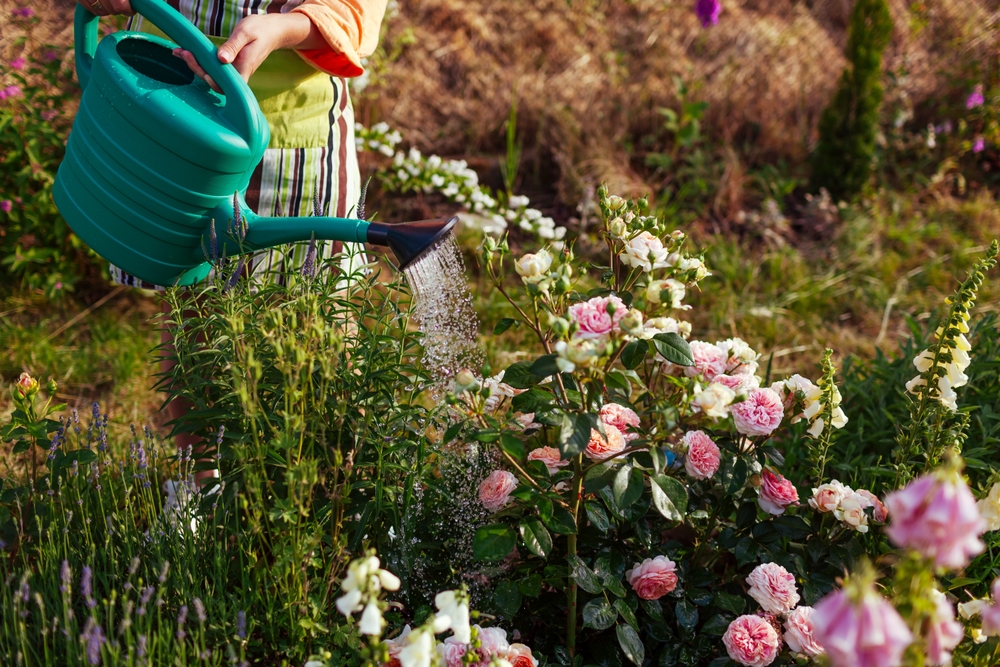
Watering habits play a major role in how well a garden handles heat, and timing matters more than most people realize. Early morning watering gives plants a chance to absorb moisture before the sun begins pulling it away. Deep watering also encourages roots to grow downward instead of staying shallow near the surface. Shallow roots struggle quickly in heat, while deep roots access cooler, more stable moisture below ground. These small adjustments create stronger plants that can withstand longer dry stretches.
Soil management also transforms how gardens respond to heat stress. Adding organic matter improves soil structure and helps it hold onto moisture longer. Compost works like a sponge that releases water slowly instead of letting it vanish too quickly. Mulch acts like a protective blanket that keeps soil temperatures lower and reduces evaporation. Gardeners who combine smart watering with healthy soil often notice fewer wilted plants even during intense summer afternoons.
Shade, Mulch, and Microclimates That Save Struggling Gardens
Shade becomes a powerful ally when the sun refuses to ease up. Gardeners use taller plants, trellises, and even patio furniture placement to create pockets of relief for more delicate species. These shaded areas give plants a break during the hottest part of the day and help prevent leaf burn. Even partial shade can dramatically improve plant performance in extreme heat conditions. Thoughtful placement turns a harsh environment into a more balanced growing space.
Microclimates also play a surprising role in heat-tolerant gardening success. Areas near walls, fences, or structures often trap or redirect heat in unique ways. Some spots stay warmer longer, while others remain cooler and more stable throughout the day. Observing these patterns helps gardeners place plants where they naturally perform best. Mulch ties everything together by stabilizing soil temperature and reducing water loss across all these zones.
Mistakes That Drain Energy and Damage Heat-Stressed Gardens
One common mistake involves overwatering during hot weather, which can suffocate roots instead of helping them. Plants stressed by heat often need better soil conditions, not constant saturation. Another issue comes from planting too densely, which restricts airflow and increases moisture loss competition. Crowded plants struggle to cool themselves and become more vulnerable to disease. Spacing plants properly allows air to circulate and helps leaves recover after hot afternoons.
Gardeners also sometimes ignore soil quality in favor of quick visual results. Poor soil forces plants to work harder just to survive, especially during heat waves. Skipping mulch creates another problem by exposing roots directly to temperature swings. These mistakes often stack up and create gardens that look tired long before summer ends. Fixing them brings noticeable improvement without requiring a complete garden overhaul.
The Secret Behind Heat-Resilient Gardens That Keep Going Strong
Heat-resilient gardens succeed because they prioritize adaptation over control. Every choice, from plant selection to watering habits, works together to reduce stress on the entire system. Gardeners who embrace this approach notice fewer plant losses and more consistent seasonal growth. The garden becomes less about constant rescue missions and more about steady, predictable care. That shift brings a calmer, more rewarding gardening experience even during the hottest weeks of the year.
What changes have made the biggest difference in summer gardening for your space? Let’s chat about it below in our comments!
You May Also Like…
10 Flowers That Bloom Even During Extreme Heat
10 Plants That Can Survive Brutal Southern Summers
7 Cool-Night Tolerant Picks That Handle Temperature Drops
The Secret to a Non-Stop Summer Harvest? These 7 Vegetables
9 Backyard Projects That Make Summer More Enjoyable Without Spending Much

Brandon Marcus is a staff writer for FrugalGardening.com at District Media, Inc., where he delivers practical gardening advice with a relatable, no-nonsense style. An avid amateur gardener, he holds a BA degree and with over ten years of professional writing experience, he is also an award-winning published author whose first book, Questions For Deep Thinkers, was released by Adams Media. His work has appeared in major publications including Fandom.com, CHUD.com, TheColdWire.com, and Fansided.com.
Leave a Reply