A trip to the garden center can feel like stepping into a candy store for plant lovers. Bright flowers, shiny tools, miracle fertilizers, and colorful bags of soil promise bigger harvests and healthier plants. Unfortunately, many gardening purchases stem from myths that have circulated for decades. Those misconceptions often encourage gardeners to spend money on products and practices that offer little benefit.
Smart gardening does not require an unlimited budget. In fact, some of the most successful gardens rely on simple, practical methods instead of expensive shortcuts. Experienced gardeners often discover that many popular gardening “rules” actually drain wallets without improving results.
1. More Fertilizer Always Means Better Plants
Garden centers dedicate entire aisles to fertilizers, and marketing often suggests that more nutrients equal bigger plants. Many gardeners respond by applying fertilizer frequently and heavily throughout the growing season. Unfortunately, excess fertilizer can create weak growth, reduce flowering, and even damage roots. Plants need balanced nutrition, not endless feeding.
Over-fertilized tomatoes often produce lush leaves while delivering fewer fruits. Lawns can develop excessive growth that requires more mowing and watering. A simple soil test usually reveals exactly what nutrients the soil needs, which prevents unnecessary spending. In many cases, gardeners can cut fertilizer purchases dramatically while improving plant health.
2. Gravel in Pots Improves Drainage
This myth refuses to disappear despite decades of evidence proving otherwise. Many gardeners still place rocks or gravel at the bottom of containers before adding potting mix. The idea sounds logical, but water actually collects above the gravel layer instead of draining through it efficiently. That situation can increase the risk of root problems.
Skipping the gravel saves money and creates more room for roots. Quality potting mix provides all the drainage most containers need. Gardeners can simply choose pots with drainage holes and fill them completely with soil. Plants generally perform better without the extra layer of rocks.
3. Expensive Tools Produce Better Gardens
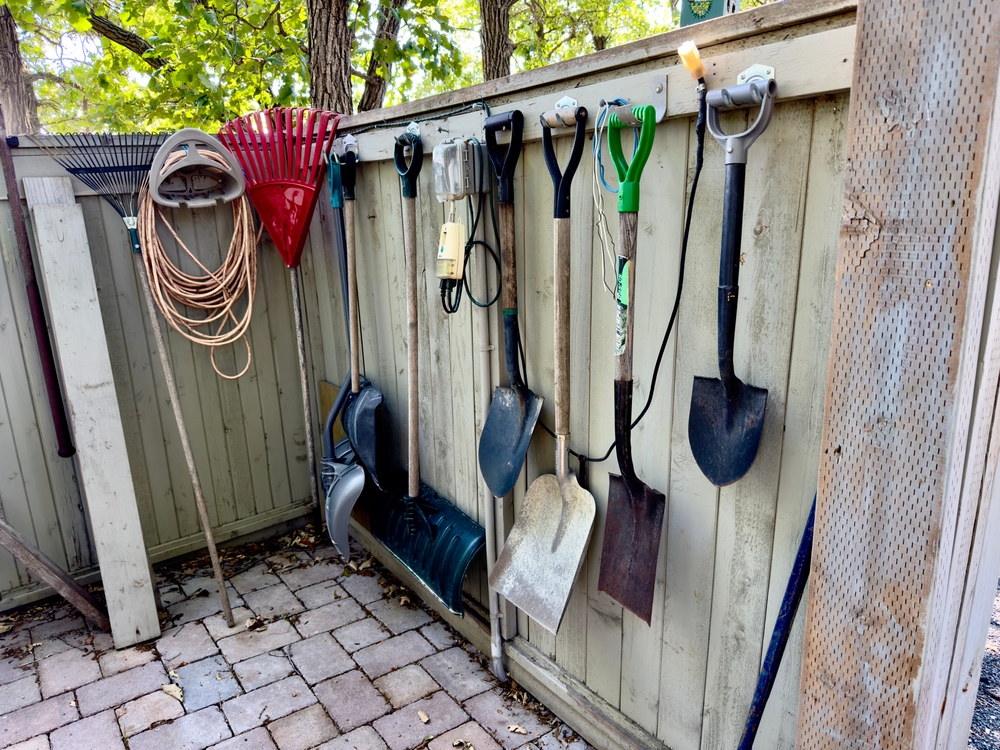
Tool manufacturers love convincing gardeners that every task requires a specialized gadget. Stores sell dozens of pruning devices, planting tools, soil gadgets, and weed-removal inventions. While some tools certainly make work easier, many end up gathering dust in garages and sheds. A handful of reliable basics often accomplishes nearly every gardening task.
Sharp pruners, a sturdy shovel, a trowel, and a garden fork handle most jobs efficiently. Many experienced gardeners use the same core tools for years with excellent results. Spending hundreds on specialty equipment rarely produces healthier plants. Good gardening skills matter far more than fancy gear.
4. New Plants Need Daily Watering
New gardeners often assume frequent watering helps plants settle into their new homes. While fresh transplants require consistent moisture, daily watering can create shallow root systems. Plants then become dependent on constant irrigation instead of developing deeper roots. That cycle increases water bills and maintenance demands.
Deep watering a few times each week often delivers better results than light daily watering. Roots grow downward in search of moisture and become stronger over time. Gardeners save water while encouraging healthier growth. The result benefits both the landscape and the budget.
5. Organic Products Are Always Cheaper in the Long Run
Organic gardening offers many benefits, but some gardeners automatically assume every organic product saves money. Premium organic fertilizers, pest controls, and specialty soil amendments can cost significantly more than conventional alternatives. Marketing frequently encourages unnecessary purchases under the assumption that natural equals essential.
Successful organic gardening often focuses on composting, mulching, and improving soil naturally. Homemade compost can reduce the need for many store-bought products. Smart gardeners evaluate each purchase carefully instead of buying every organic item on the shelf. Thoughtful choices keep costs under control while supporting healthy soil.
6. Plants Need Constant Pest Treatments
The appearance of a few insects often sends gardeners rushing to buy sprays and treatments. However, many garden insects actually help control harmful pests. Ladybugs, lacewings, and predatory wasps provide valuable natural pest management. Immediate treatment can eliminate beneficial insects along with problem species.
Healthy gardens usually maintain a natural balance over time. Careful observation often reveals that pest populations fluctuate without causing serious damage. Gardeners who avoid unnecessary treatments frequently save money and support stronger ecosystems. Not every bug requires a chemical response.
7. Bigger Plants Are Always the Better Buy
Large plants often command premium prices at nurseries. Shoppers naturally assume bigger specimens provide faster results and better value. In reality, smaller plants frequently establish themselves more quickly after transplanting. Younger plants often adapt better to new growing conditions.
A small shrub that costs one-third the price of a larger specimen may catch up within a few seasons. Many landscapers intentionally choose younger plants because they experience less transplant stress. Buying smaller plants stretches gardening budgets considerably. Patience often delivers better value than instant gratification.
8. Bagged Soil Fixes Every Problem
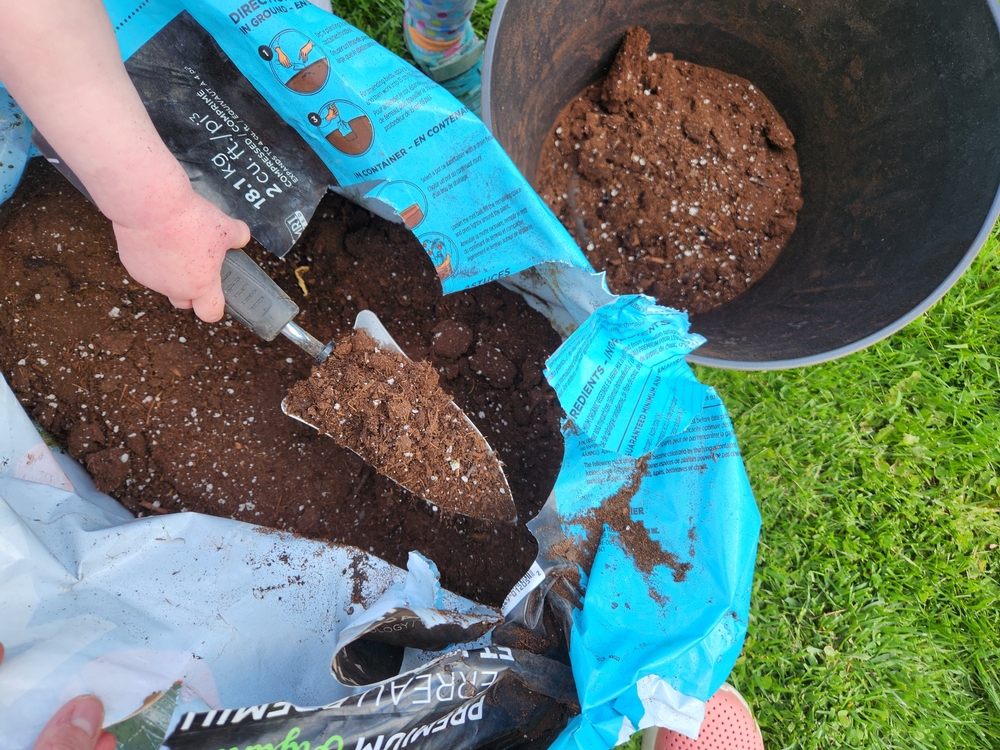
Rows of specialty soil mixes promise solutions for nearly every gardening challenge imaginable. Some gardeners spend significant amounts replacing existing soil instead of improving it gradually. While quality soil products have their place, many soil issues respond well to simple amendments and proper management.
Adding compost improves soil structure, moisture retention, and nutrient availability over time. Mulch helps regulate temperature and reduces erosion. Those basic practices often produce better long-term results than repeatedly purchasing expensive soil blends. Healthy soil develops through consistent care rather than quick fixes.
9. More Mulch Is Always Better
Mulch provides tremendous benefits when applied correctly. It suppresses weeds, conserves moisture, and improves soil conditions. However, some gardeners pile mulch excessively around trees, shrubs, and flower beds. Thick layers can trap moisture, encourage disease, and damage plant stems.
A mulch layer of two to four inches usually works best for most landscapes. Excess mulch wastes money and can create new problems. Gardeners often achieve better results by spreading smaller amounts over larger areas. Proper application matters far more than quantity.
10. Every Gardening Problem Requires a Purchase
Perhaps the most expensive myth of all involves the belief that every challenge requires a new product. Clever marketing often promotes sprays, fertilizers, gadgets, and treatments as solutions for nearly every issue. Many common problems actually result from watering mistakes, poor plant selection, or improper placement. No product can compensate for fundamental gardening basics.
A struggling plant may simply need more sunlight or better drainage. Yellow leaves may indicate watering issues rather than nutrient deficiencies. Experienced gardeners typically investigate the cause before opening their wallets. That habit saves money while producing better outcomes.
The Best Garden Investment Costs Very Little
Gardening success rarely comes from buying the newest product or following every trend. Knowledge, observation, and patience consistently outperform expensive shortcuts. Many common gardening myths survive because they sound reasonable, not because they deliver results. Separating fact from fiction allows gardeners to spend wisely and enjoy better outcomes.
The next time a product promises miraculous results, it pays to pause and ask whether the purchase addresses a real need or simply a long-standing myth. A thoughtful approach often leads to healthier plants, lower costs, and a more rewarding gardening experience.
What gardening myth have you discovered was costing money without improving your garden? Share your experiences and tips in the comments below!
You May Also Like…
Which Plant Pairings Naturally Reduce Pests and Improve Yields
March Garden Pests That Hide Underground
10 Garden Structures Worth Building While Bugs Are Gone
5 Bugs in Your Garden That Could Be Destroying Your Home’s Foundation
8 Beginning Gardening Tips That Will Make You a Better Grower

Brandon Marcus is a staff writer for FrugalGardening.com at District Media, Inc., where he delivers practical gardening advice with a relatable, no-nonsense style. An avid amateur gardener, he holds a BA degree and with over ten years of professional writing experience, he is also an award-winning published author whose first book, Questions For Deep Thinkers, was released by Adams Media. His work has appeared in major publications including Fandom.com, CHUD.com, TheColdWire.com, and Fansided.com.
Leave a Reply