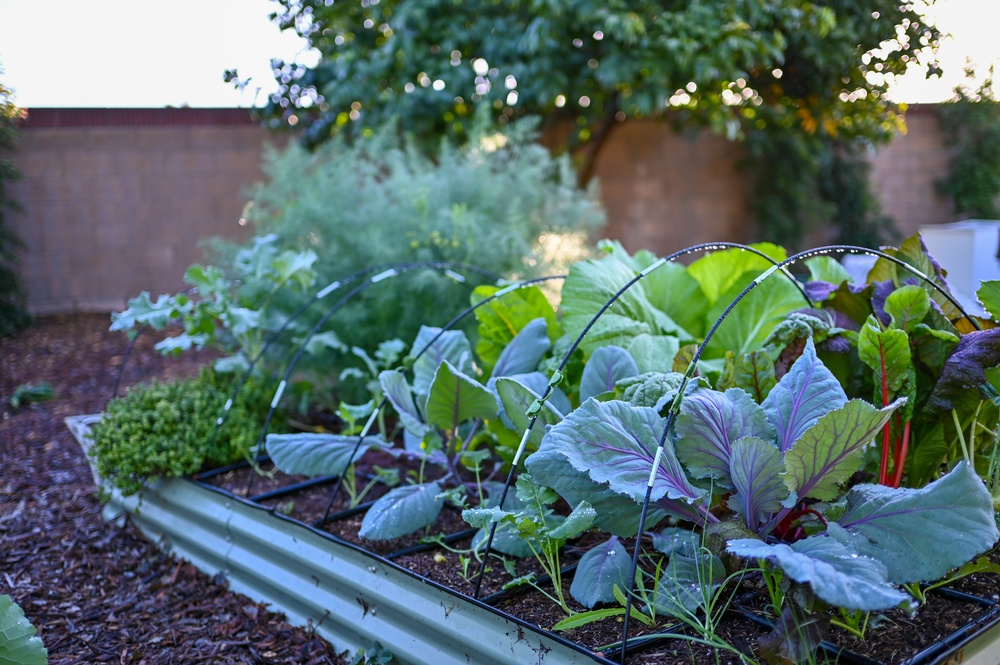
Gardens across the United States often hit a surprising moment when everything seems to slow down, even when care stays consistent. Leaves stop stretching with the same enthusiasm, blooms hesitate, and vegetables look like they are taking a long coffee break. This slowdown does not signal failure, and it does not mean plants lost their potential. Instead, seasonal transitions create environmental pressure that forces plants to recalibrate their internal systems. Temperature shifts, daylight changes, and soil fluctuations all team up to reshape growth patterns in ways many gardeners overlook.
Every yard tells the same story twice a year, once in spring and again in fall, when growth momentum dips before adjusting to new conditions. Plants respond to environmental cues long before humans notice visible changes, which makes the slowdown feel sudden. A strong garden strategy recognizes these natural pauses and works with them instead of against them. Once gardeners learn what triggers these transitions, every slowdown becomes an opportunity for smarter growth management rather than frustration.
Why Seasonal Transitions Slow Garden Growth in American Yards
Seasonal transitions disrupt plant metabolism because plants rely heavily on stable temperature patterns. When daytime warmth clashes with cold nights, plants struggle to regulate energy use efficiently. Growth hormones respond to these fluctuations by slowing cell expansion, which creates visible pauses in development. Many gardeners in the United States notice this pattern most during early spring and late fall. Plants essentially wait for consistency before they commit energy to new growth again.
Light cycles also play a major role in this slowdown process. Shortening or lengthening daylight hours sends strong signals that trigger internal recalibration in plants. Many species interpret these signals as cues to conserve energy or prepare for dormancy-like behavior. Growth slows not because plants weaken, but because they prioritize survival and adaptation. This natural response explains why gardens often look “stuck” even when conditions appear favorable on the surface.
Soil Temperature Swings That Stall Root Development
Soil temperature changes affect roots more than any other part of the plant system. Roots function best within a narrow temperature range, and seasonal shifts often push soil outside that comfort zone. Cold soil slows nutrient uptake, while overly warm soil can stress delicate root structures. Plants react by limiting new root expansion until conditions stabilize. This creates a domino effect that slows visible growth above ground.
Moisture retention also shifts when soil temperatures fluctuate. Cooler soil holds water longer, which can reduce oxygen availability around roots. Warmer soil dries faster, forcing roots to work harder to access hydration. Both conditions disrupt the balance roots need for steady development. Gardeners who monitor soil temperature gain a major advantage in preventing this hidden growth bottleneck.
Watering Mistakes That Amplify the Slowdown Problem
Seasonal transitions often trick gardeners into overwatering or underwatering plants. Slower growth creates the illusion that plants need less water, but root systems may still require steady moisture. Overwatering during cool transitions leads to soggy soil that suffocates roots and reduces nutrient flow. Underwatering during warm shifts stresses plants that already struggle to adjust. Both mistakes intensify the natural slowdown.
Timing also plays a critical role in watering effectiveness. Morning watering works best during transitional seasons because it allows soil to stabilize throughout the day. Evening watering during cool periods often leaves soil too wet overnight, which increases disease risk. Plants rely on consistent moisture patterns to maintain steady growth, even when visible changes slow down. Adjusting watering habits keeps the system balanced during unpredictable seasonal shifts.
Smart Fertility Adjustments That Restart Growth Momentum
Fertilizer use during seasonal transitions requires careful timing and moderation. Heavy feeding during a slowdown often overwhelms plants that already operate in conservation mode. Light, balanced nutrients support gradual recovery without forcing rapid growth. Plants respond better to steady nutrient availability rather than sudden boosts during unstable weather periods. This approach prevents unnecessary stress on already sensitive systems.
Soil biology also shifts during transitions, which affects nutrient absorption rates. Microbial activity slows in cooler soil, reducing how efficiently plants process fertilizers. Organic amendments like compost work well because they release nutrients gradually and support long-term soil health. Many gardeners across the United States use this method to maintain steady growth even when conditions fluctuate. Smart fertility strategies focus on support, not acceleration, during seasonal shifts.
How Gardeners Across the U.S. Keep Plants Thriving Through Seasonal Shifts
Experienced gardeners across different American climates use observation as their most powerful tool. They track temperature patterns, soil conditions, and plant behavior instead of relying on fixed schedules. This allows them to adjust care routines based on real-time garden needs. Flexibility creates stronger plants that handle transitions with less stress. Consistency in attention matters more than consistency in routine.
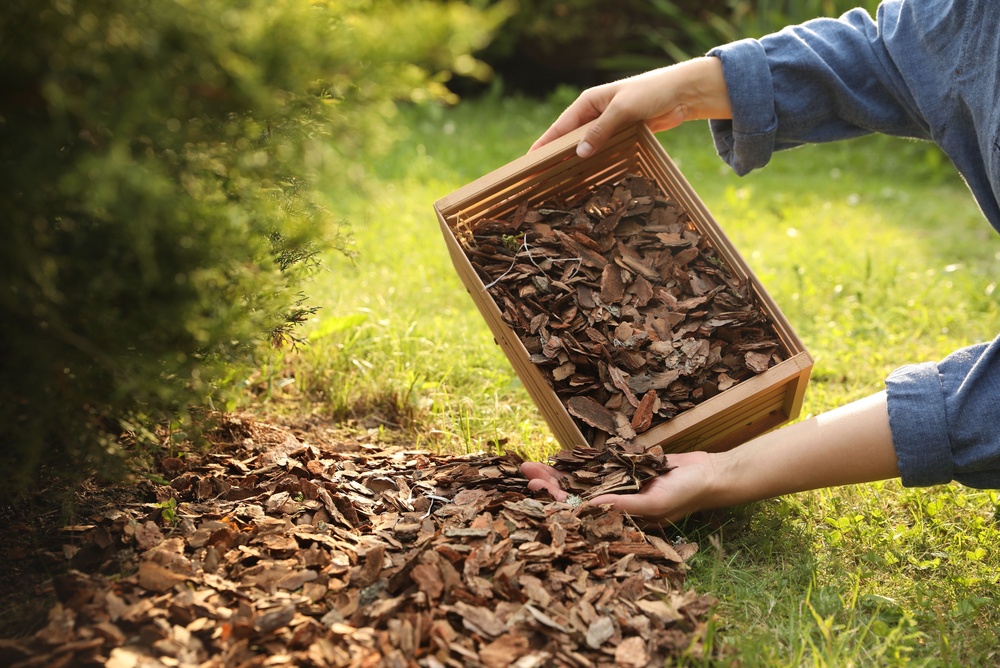
Mulching also plays a major role in stabilizing garden conditions. A protective layer helps regulate soil temperature and moisture levels during unpredictable weather swings. This simple step reduces root stress and supports steady growth beneath the surface. Many gardeners also stagger planting schedules to avoid exposing all crops to transition stress at once. These combined strategies create resilient gardens that stay productive through seasonal changes.
The Real Trick Behind Seasonal Slowdowns in Gardens
Seasonal slowdowns do not represent failure; they signal a natural recalibration process that every healthy garden experiences. Plants adjust internally before they push forward again, which creates the illusion of inactivity. Gardeners who recognize this pattern gain a major advantage because they respond with support instead of panic. Soil care, watering balance, and gentle fertility adjustments keep systems stable during these periods. Once stability returns, growth often rebounds with surprising strength.
A successful garden thrives on timing, observation, and respect for natural rhythms. Seasonal transitions test patience, but they also reveal how resilient plants can become under thoughtful care. Every slowdown carries a hidden opportunity to strengthen roots, improve soil health, and prepare for stronger growth ahead. Gardens that embrace these cycles consistently outperform those that fight them. The slowdown, in many ways, builds the foundation for everything that follows.
What seasonal slowdown patterns have appeared in your garden, and how did they affect your plants?
You May Also Like…
5 Natural Growth Boosters That Strengthen Roots
The Overcrowding Issue That Reduces Growth Potential
Why Early Growth Doesn’t Always Lead to Strong Yields
The Sunlight Rule: Why Placement Determines Growth Success
6 Low-Cost Ways to Improve Heavy Clay Soil for Better Plant Growth

Brandon Marcus is a staff writer for FrugalGardening.com at District Media, Inc., where he delivers practical gardening advice with a relatable, no-nonsense style. An avid amateur gardener, he holds a BA degree and with over ten years of professional writing experience, he is also an award-winning published author whose first book, Questions For Deep Thinkers, was released by Adams Media. His work has appeared in major publications including Fandom.com, CHUD.com, TheColdWire.com, and Fansided.com.
Leave a Reply