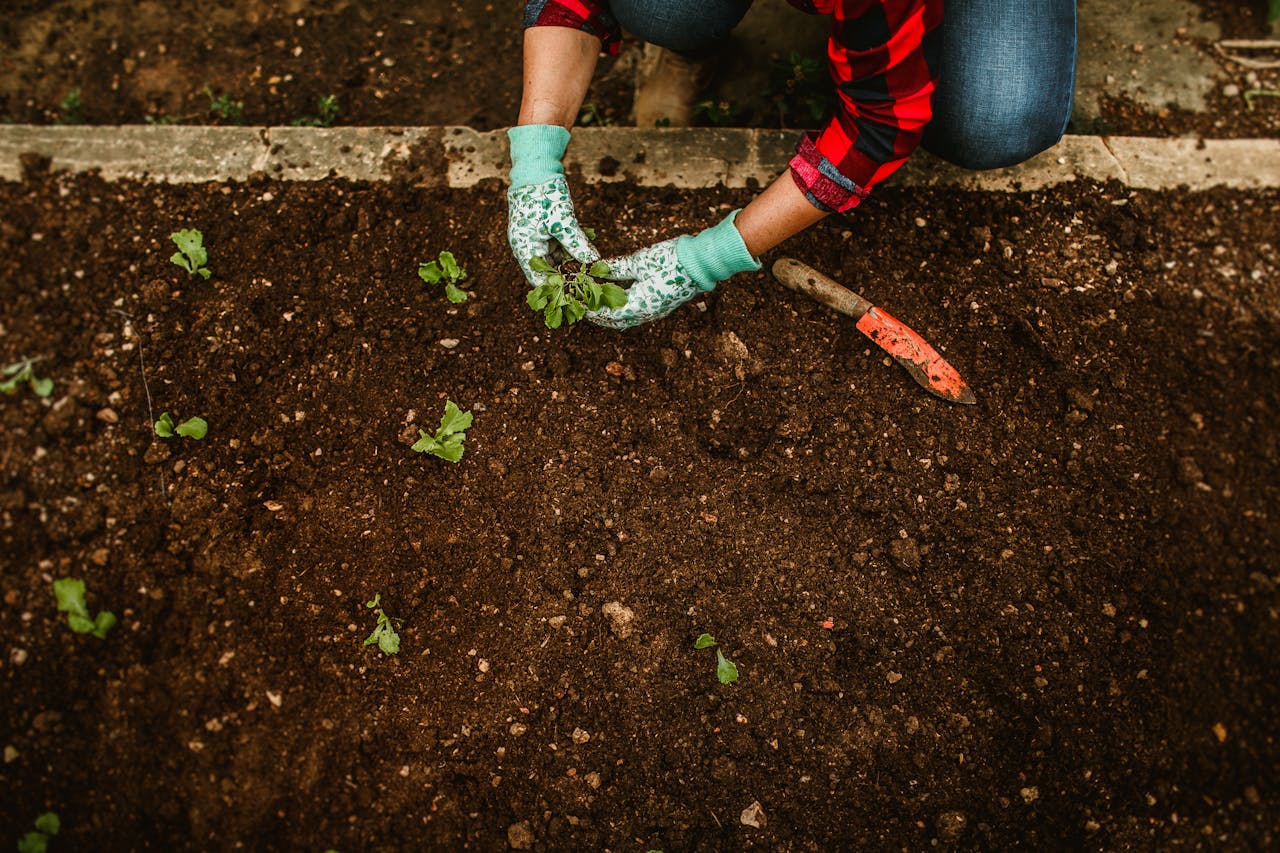
Gardens rarely fail because plants lack effort; they fail because soil quietly underperforms beneath the surface. Strong, thriving plants always start with living, nutrient-rich soil that supports roots like a dependable foundation. When soil lacks structure, nutrients, or microbial life, even the best seeds struggle to shine. The good news arrives quickly for anyone willing to upgrade what goes into the ground.
Certain soil additions start working fast, often showing visible plant improvements within just a few weeks. Leaves look greener, growth speeds up, and soil begins to feel more alive and cooperative. A wise gardener does not wait seasons for change when a few targeted amendments can spark rapid transformation.
1. Compost That Rebuilds Soil Life Like a Slow Magic Trick
Compost acts like a full-course meal for tired soil, delivering nutrients in a balanced and natural way. Microorganisms explode into action after compost enters the garden bed, breaking down organic matter and feeding plant roots. Soil structure improves quickly, allowing water to drain properly while still holding enough moisture for steady growth. Plants respond with stronger stems and richer color because they finally receive consistent nutrition without chemical spikes. Gardeners often notice visible improvement in leaf vibrancy within just a few weeks of application.
Compost also reduces the risk of nutrient leaching, which keeps valuable minerals right where plants need them. It encourages earthworms to move in and start aerating the soil naturally, which boosts root expansion. Many gardeners underestimate how fast compost changes soil behavior, assuming it works only over long periods. However, even a thin layer worked into the topsoil creates immediate biological activity. Consistent use turns average soil into a self-sustaining ecosystem that keeps improving season after season.
2. Worm Castings That Supercharge Growth Without Overfeeding Plants
Worm castings deliver one of the most nutrient-dense organic boosts available to gardeners today. These tiny pellets pack beneficial microbes, enzymes, and plant-available nutrients in a form roots absorb instantly. Plants respond quickly with accelerated growth because castings never overwhelm soil chemistry or burn delicate roots. Gardeners often describe the effect as “plant energy on demand” because results appear so quickly.
Worm castings also improve soil moisture retention while still keeping the texture light and breathable. Seedlings especially benefit from this addition since it encourages strong early root systems. Many gardeners mix castings directly into seed-starting soil to give young plants a head start. Even established plants show noticeable improvement in leaf color and overall vigor within a short time. This amendment works quietly but delivers powerful, consistent results without any dramatic risks or side effects.
3. Aged Manure That Feeds Soil Slowly but Changes It Quickly
Aged manure introduces a steady stream of organic nutrients that soil microbes immediately begin processing. Fresh manure risks burning plants, but well-aged material transforms into a gentle, plant-friendly fertilizer. Soil texture improves noticeably as organic matter binds with mineral particles and increases aeration. Plants respond with stronger root systems that explore deeper layers of the garden bed.
Gardeners often see faster leaf growth and improved flowering once aged manure integrates into the soil. It also increases microbial diversity, which strengthens the soil’s natural ability to recycle nutrients. Many vegetable crops especially benefit from this amendment because it supports sustained feeding during rapid growth phases. Consistent application helps prevent nutrient deficiencies that often cause stunted or pale plants. Over time, aged manure builds long-term fertility while still delivering short-term improvements.
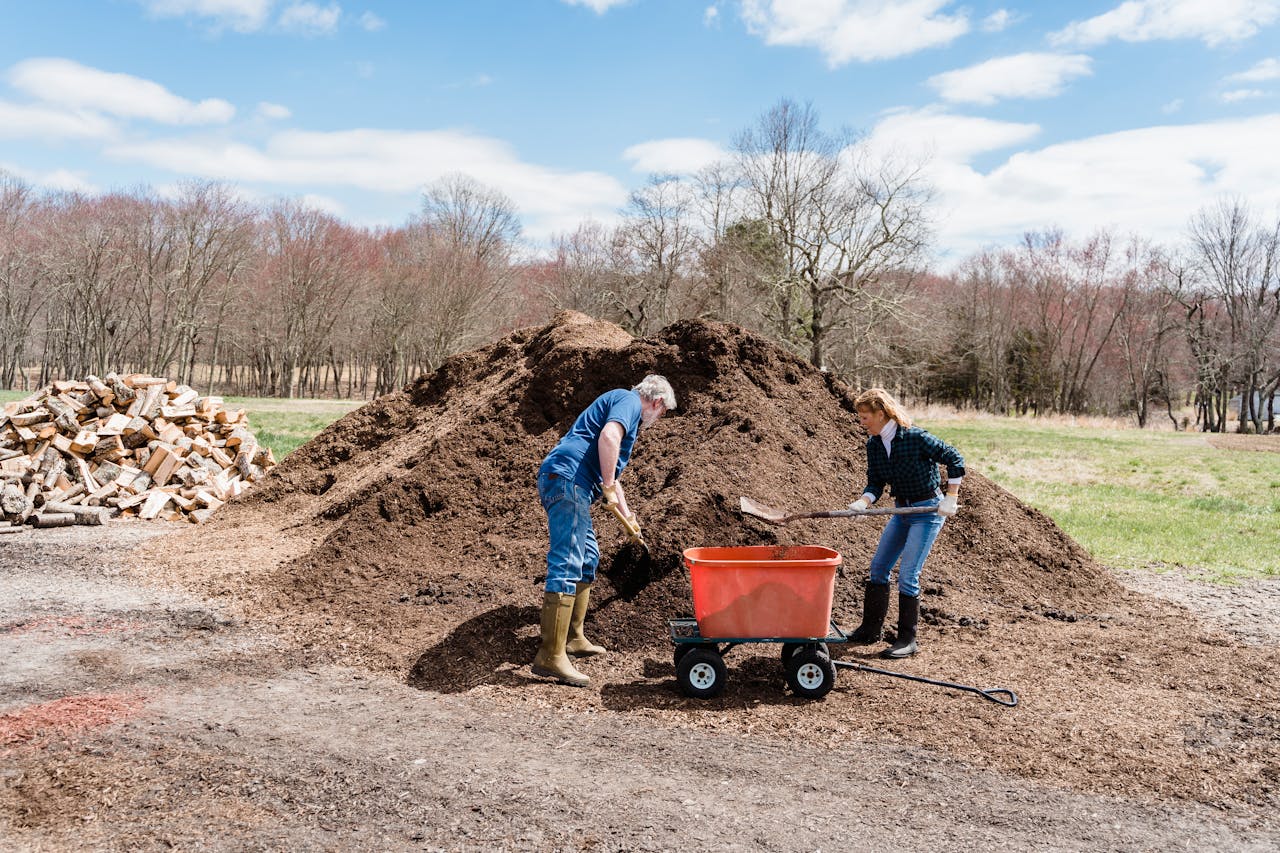
4. Biochar That Locks in Nutrients and Stabilizes Soil Performance
Biochar acts like a sponge for nutrients, trapping them in tiny porous structures that roots can access gradually. This stability prevents fertilizer loss and improves long-term soil efficiency. Gardeners notice improved water retention almost immediately after mixing biochar into garden beds. Plants thrive because nutrients stay available instead of washing away during watering or rainfall.
Biochar also creates a habitat for beneficial microbes, which multiply rapidly inside its porous structure. This microbial activity strengthens soil resilience and improves plant health in noticeable ways. Many gardeners combine biochar with compost to activate it faster and maximize its benefits. Within weeks, soil begins to feel more structured, balanced, and easier to work with. This amendment does not act flashy, but it transforms soil behavior in powerful and lasting ways.
5. Mycorrhizal Fungi That Build Underground Partnerships for Faster Growth
Mycorrhizal fungi form partnerships with plant roots, extending their reach far beyond normal limits. These fungi act like underground supply lines, delivering water and nutrients directly to plants in exchange for sugars. Plants respond quickly with stronger growth because they suddenly access a much larger nutrient network. Gardeners often see improved transplant success when they introduce this amendment at planting time.
Soil benefits expand rapidly as fungal networks connect multiple plants into a shared support system. This improves drought resistance, nutrient uptake, and overall plant stability. Many gardeners overlook this living component of soil, even though it plays a critical role in plant health. Once established, these fungi continue working season after season without reapplication in many cases. The result creates a hidden but powerful boost that shows up above ground in healthier, more resilient plants.
When Soil Starts Working Smarter, Everything in the Garden Changes
Healthy soil does not rely on luck; it depends on intentional additions that spark biological activity and improve structure fast. Compost, worm castings, aged manure, biochar, and mycorrhizal fungi each bring unique strengths that work together beautifully. These amendments do not just feed plants—they rebuild the entire underground ecosystem that supports them. Gardeners who use them consistently notice faster growth, stronger plants, and fewer frustrating setbacks in the growing season.
The real transformation happens beneath the surface first, even before leaves show visible change. Once soil biology wakes up, plants respond with surprising speed and resilience. These five additions turn ordinary soil into a dynamic, living foundation that supports long-term success. Small changes below ground lead to dramatic improvements above it, often within just a few weeks.
What soil addition has delivered the biggest surprise in your garden’s performance so far? Let’s chat about it below in our comments section.
You May Also Like…
Why Soil Testing Matters More Before Summer Than Any Other Time
The Overwatering Problem: Why Soggy Soil Kills More Gardens Than Drought
Stop Buying Fertilizer: 6 Free Kitchen Scraps That Supercharge Your Soil
Why Your Hairbrush Holds the Secret to Better Soil Nitrogen
Why Winter Cover Crops Boost Soil Health

Brandon Marcus is a staff writer for FrugalGardening.com at District Media, Inc., where he delivers practical gardening advice with a relatable, no-nonsense style. An avid amateur gardener, he holds a BA degree and with over ten years of professional writing experience, he is also an award-winning published author whose first book, Questions For Deep Thinkers, was released by Adams Media. His work has appeared in major publications including Fandom.com, CHUD.com, TheColdWire.com, and Fansided.com.
Leave a Reply