Next year’s garden can start long before the first seed packet hits the shopping cart. In fact, some of the best preparation happens when this year’s garden still has plenty going on, because fall offers free materials, mature seeds, fallen leaves, fading plants, and plenty of opportunities to set up a better growing season without throwing money at the garden center.
That does not mean turning the backyard into a frantic autumn work zone. A few simple jobs now can save money later and make spring gardening much easier. The biggest payoff comes from paying attention to what the garden already provides, then putting those materials to work instead of hauling them to the curb.
Save Seeds From the Plants That Earned Their Spot
Seed saving gives gardeners a remarkably inexpensive way to build a supply for next year, particularly with open-pollinated plants that produce seeds similar to the parent plant. Tomatoes, beans, peas, lettuce, peppers, and many flowers can provide useful seeds, although some hybrids may not produce offspring that resemble the original plant. Let a few healthy plants mature fully, then collect seeds from ripe fruits or dry seed heads when the seeds reach maturity. Tomatoes need a little extra attention because gardeners can scoop the seeds from ripe fruit, ferment them briefly in water, rinse them thoroughly, and dry them before storage. Beans and peas offer an easier route because gardeners can leave the pods on the plant until they become dry and crisp.
Good labeling matters more than it seems, especially after several months have passed and every little envelope starts looking mysteriously identical. Write the plant name and collection year on each packet, and store completely dry seeds somewhere cool, dark, and dry. A small paper envelope works beautifully, and an airtight container can provide another layer of protection when gardeners keep the seeds thoroughly dry. Skip seeds from diseased plants, since saving seed from a problem plant makes little sense when healthy alternatives exist. Also remember that some plants cross-pollinate readily, so saved seeds may produce unexpected colors, shapes, or flavors when different varieties grow close together.
Turn Leaves Into Free Garden Gold
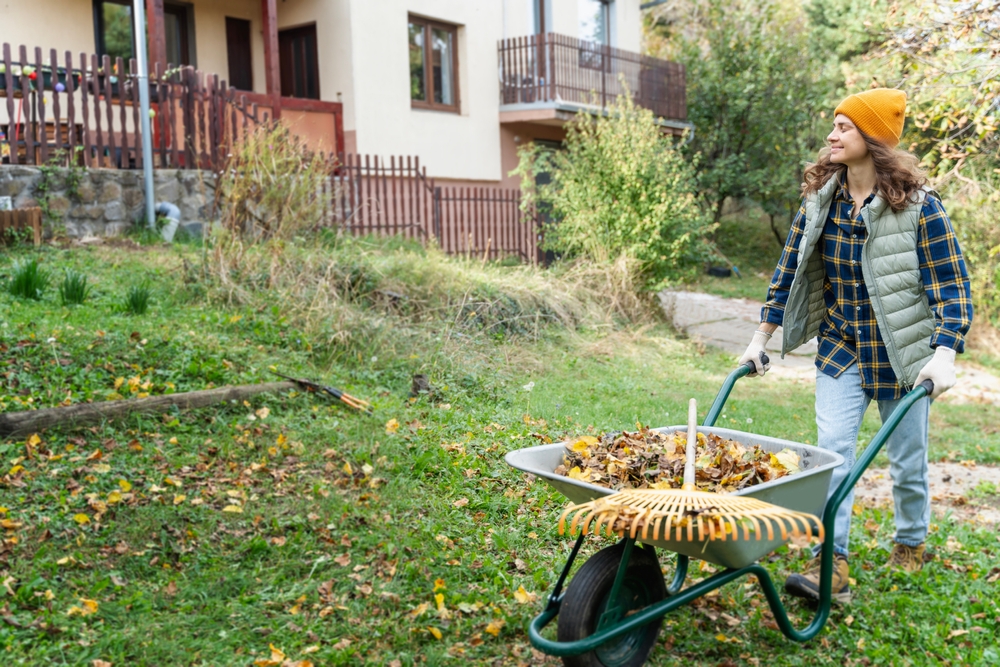
Fallen leaves can become one of the cheapest soil-building materials available, and the neighborhood often supplies them for free. Shredded leaves can go directly onto garden beds as a mulch layer, where they help protect soil from temperature swings, reduce erosion, and gradually add organic matter as they break down. A lawn mower can chop a thin layer of leaves into smaller pieces, making them easier to handle and helping them break down faster. Gardeners can also collect dry leaves in bags or bins and save them for future composting. Just avoid collecting leaves from lawns or areas that received herbicide treatments when the intended use could expose garden plants to those chemicals.
Leaf mold offers another clever option for gardeners with patience and a little storage space. Instead of mixing leaves with a busy compost pile, gardeners can pile dampened leaves in a simple bin or contained heap and let fungi slowly break them down. The resulting material looks dark and crumbly and works especially well as a soil amendment or mulch. It does not require fancy equipment, expensive additives, or a complicated recipe, although moisture helps the process along. A pile of leaves may look unimpressive in October, but that humble heap can become useful garden material later.
Divide Perennials Instead of Buying More Plants
Fall also offers an opportunity to multiply certain established perennials without visiting a garden center. Plants such as hostas, daylilies, irises, and many other clump-forming perennials can produce new divisions when gardeners separate mature crowns or root sections correctly. The best timing varies by plant and climate, so gardeners should check the specific plant’s needs before grabbing a shovel and slicing through the root ball. Each division needs enough roots and healthy growth to establish itself successfully. Water new divisions well after planting and give them enough time to settle in before harsh weather arrives.
Plant division can also solve a problem that gardeners often overlook: overcrowding. A perennial that has outgrown its space can become an opportunity to create another planting area rather than a reason to buy something new. Give extra divisions to friends, swap them with fellow gardeners, or use them to fill empty sections of the landscape. Avoid dividing plants that show signs of disease or serious stress, because propagation should start with healthy material. A garden that supplies its own replacement plants starts looking a lot less expensive over time.
Prepare the Soil Before Spring Gets Busy
Spring gardening becomes considerably easier when the soil already has a plan. Gardeners can remove diseased plant debris, pull weeds before they drop more seeds, and add finished compost to beds when appropriate. A simple soil test can also reveal whether a bed actually needs amendments, which can prevent the classic gardening mistake of buying a bag of something simply because the package promises miraculous results. Soil tests can identify issues such as pH and nutrient levels, giving gardeners useful information before they spend money. Avoid working wet clay soil, because digging or tilling saturated soil can damage its structure and leave gardeners with a lumpy mess.
Fall also provides a chance to rethink where everything went this year. Maybe the tomatoes sprawled into the walkway, the zucchini attempted a hostile takeover, or the lettuce received far too much summer sun. Make a few notes while the evidence remains fresh, including which varieties performed well, which plants struggled, and where problems appeared. Those observations can guide next year’s planting decisions far better than a vague winter memory that says, “Something went wrong over there.” A garden notebook, phone note, or simple sheet of paper can become one of the most valuable free tools in the whole garden.
The Cheapest Garden Center Is Sometimes the Garden Itself
A productive garden does not need to begin with a shopping spree. Seeds can come from successful plants, mulch can come from fallen leaves, compost can come from kitchen and yard materials, and new perennial plants can come from divisions already growing in the landscape. Even small savings add up when gardeners repeat those habits every year. More importantly, these jobs give gardeners a head start while providing useful information about what their particular soil, plants, and growing conditions actually need. The garden can supply far more than vegetables and flowers if gardeners take the time to notice.
The smartest fall preparation often looks surprisingly ordinary. Save a few seeds, gather some leaves, divide an overcrowded perennial, clean up problem areas, and make a few notes about what worked. None of those tasks requires a cart full of shiny new supplies, yet each one can make next spring feel more organized and considerably less expensive. By the time planting season arrives, the groundwork will already exist. That is a pretty good return from a little attention now.
You May Also Like…
A Small Fall Garden Can Keep Producing Long After Summer Tomatoes Are Gone
Your Grocery Bill May Help Decide What Belongs in Your Fall Garden
8 Fall Garden Purchases That Are Usually Cheaper at the End of Summer
How Climate Change Is Quietly Changing Fall Gardening Forever
10 Backyard Gardening Trends Taking Over Summer 2026

Brandon Marcus is a staff writer for FrugalGardening.com at District Media, Inc., where he delivers practical gardening advice with a relatable, no-nonsense style. An avid amateur gardener, he holds a BA degree and with over ten years of professional writing experience, he is also an award-winning published author whose first book, Questions For Deep Thinkers, was released by Adams Media. His work has appeared in major publications including Fandom.com, CHUD.com, TheColdWire.com, and Fansided.com.
Leave a Reply