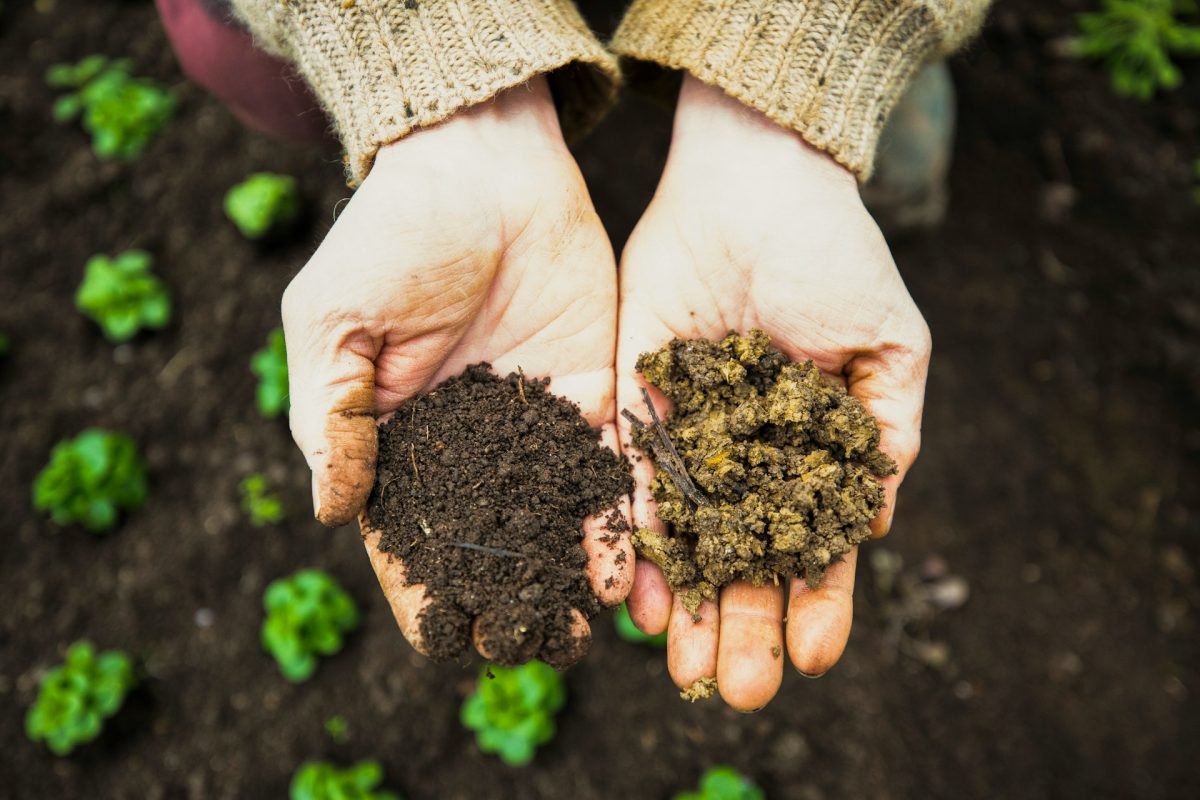
Soil testing gives gardeners a powerful head start before summer heat stresses plants and exposes weak soil conditions. Warm-weather growth demands more nutrients, and untested soil often hides imbalances that stunt vegetables, flowers, and lawns. Many gardens struggle in July not because of pests or watering mistakes, but because soil conditions never supported strong growth from the start. Early testing reveals what the soil lacks long before plants show visible stress. Smart gardeners treat soil testing as the opening move in a winning summer strategy.
Summer places extreme pressure on plants, and soil becomes the silent factor that determines success or failure. Without testing, gardeners often guess at fertilizers and accidentally overload or starve their soil. That guessing game leads to patchy growth, weak roots, and disappointing harvests. Soil testing removes uncertainty and replaces it with clear, actionable information.
What Soil Tests Reveal Beneath the Surface
Soil tests uncover essential details like pH levels, nutrient availability, and organic matter content. These factors control how well plants absorb nitrogen, phosphorus, and potassium during peak growth. A slightly acidic or overly alkaline soil can block nutrient uptake even when fertilizers sit in the ground. That invisible barrier often explains why plants look healthy but fail to thrive. Testing transforms mystery soil into a readable blueprint for better gardening decisions.
Most gardeners focus on what they see above ground, but soil chemistry drives everything underground. A proper test shows whether soil supports leafy growth, strong roots, or vibrant flowering. It also reveals deficiencies that cause yellow leaves, slow growth, or poor fruit production. Many extension offices and garden centers offer affordable testing kits that deliver surprisingly detailed results. These results give gardeners a scientific edge without requiring advanced expertise.
The Summer Problems Soil Testing Prevents Before They Start
Summer heat amplifies every soil weakness, turning small issues into major garden problems. Poor drainage can suffocate roots during heavy watering cycles. Low nutrient levels can stall growth just when plants need energy most. Even compacted soil can block water absorption and create drought stress despite regular watering. Soil testing identifies these risks before they turn into visible plant damage.
Pests and diseases often target stressed plants, and poor soil conditions create that stress silently. Weak soil leads to weaker plants, and weaker plants invite more insects and infections. Gardeners often blame weather or pests first, but soil imbalance frequently starts the chain reaction. Testing breaks that cycle by revealing the real source of plant struggle. Strong soil builds strong plants that naturally resist summer pressure.
Why Timing Soil Testing Before Summer Changes Everything
Spring offers the ideal window for soil testing because gardeners still have time to correct problems before peak growing season. Waiting until midsummer leaves little room for adjustment, especially when plants already struggle. Soil amendments like lime, compost, or sulfur take time to work into the soil structure. Early testing ensures those changes take effect right when plants need them most. Timing transforms soil testing from a diagnostic tool into a strategic advantage.
Many gardeners overlook how slowly soil responds to change, which makes early action essential. Nutrient adjustments do not happen overnight, and soil biology needs time to rebalance. A spring test allows gardeners to prepare beds with precision instead of reacting mid-season. That proactive approach leads to stronger harvests and healthier landscapes. Timing turns information into results before summer stress arrives.
How to Take a Soil Sample Like a Pro Gardener
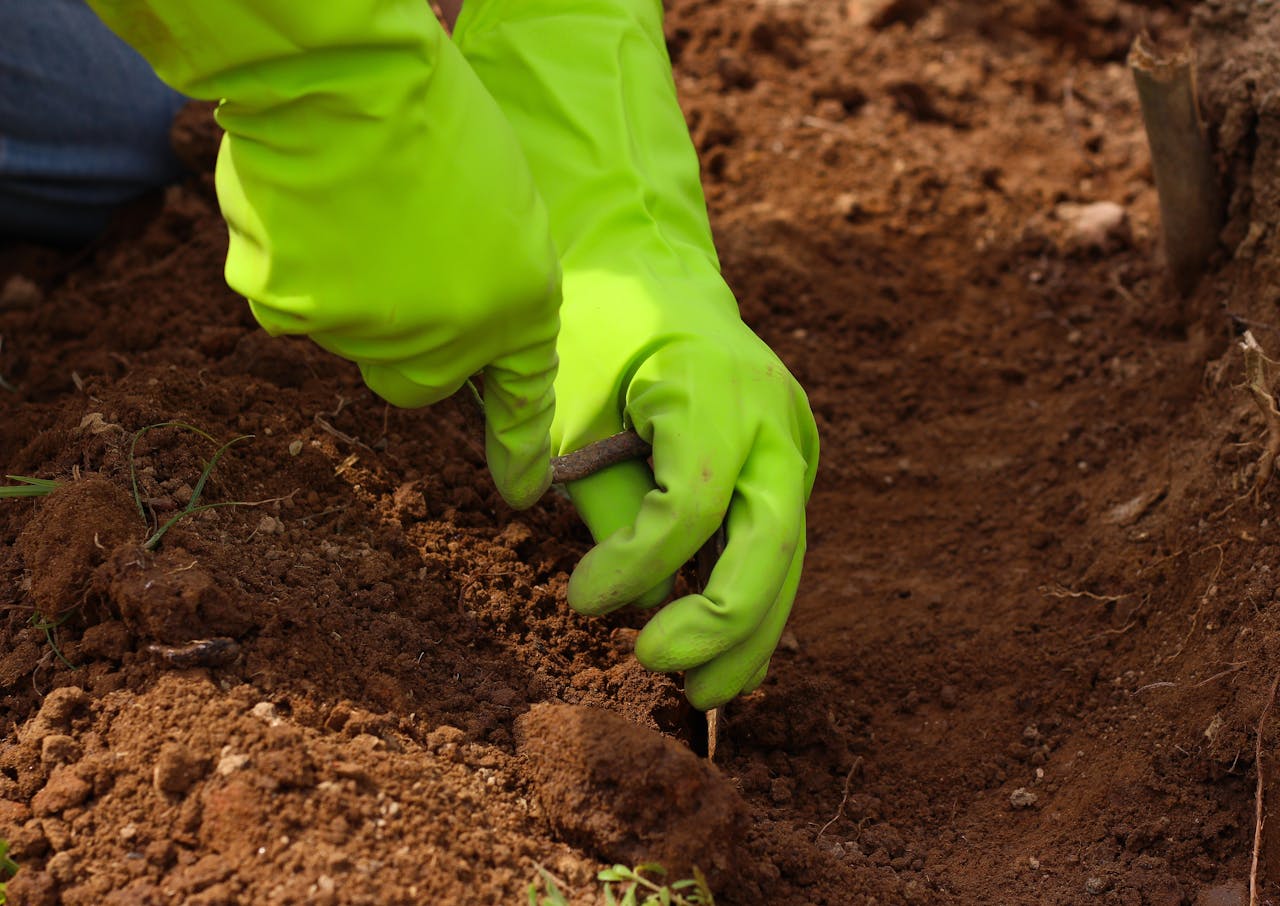
Proper soil sampling starts with collecting small sections from multiple spots in the garden. Mixing samples together creates a balanced picture of the entire growing area. Gardeners should dig about six inches deep to reach the active root zone. Clean tools and dry containers help avoid contamination that can skew results. Careful sampling ensures the test reflects reality, not random variation.
Once collected, the soil should air dry before sending it to a testing lab or using a home kit. Labeling different garden areas helps track variations between flower beds, lawns, and vegetable plots. Many gardeners rush this step and miss critical differences in soil conditions. A thoughtful sampling process leads to more accurate recommendations and better outcomes. Precision at this stage pays off all summer long.
Making Sense of Soil Test Results Without Overwhelm
Soil test reports often look technical, but they follow a clear structure once broken down. pH levels indicate acidity or alkalinity, which affects nutrient absorption. Nutrient ratings show whether soil lacks nitrogen, phosphorus, or potassium. Organic matter levels reveal how well soil retains moisture and supports microbial life. Each section connects directly to plant performance in the garden.
Gardeners gain the most value by focusing on a few key adjustments instead of overcorrecting everything at once. Small changes like adding compost or adjusting pH can dramatically improve plant health. Confusion often leads to over-fertilizing, which damages soil balance and wastes money. Clear interpretation builds confidence and prevents costly mistakes. Simple, targeted action produces stronger and more stable summer growth.
Turning Soil Test Results Into a Thriving Summer Garden
Soil test results shine brightest when gardeners use them to guide specific improvements before planting peaks. Adding compost boosts organic matter and improves soil structure for better root growth. Adjusting pH levels ensures plants can actually access the nutrients already in the soil. Targeted fertilization supports steady growth instead of explosive but unsustainable spikes. Every adjustment builds toward a more balanced and productive garden.
Successful summer gardens depend on preparation that happens months before peak heat arrives. Soil testing acts as the foundation for every strong harvest, lush flower bed, and healthy lawn. Gardeners who act on results create systems that support plants naturally instead of forcing growth. That approach reduces stress, improves yields, and strengthens resilience against summer challenges. Strong soil always sets the stage for a thriving season.
The Reason Smart Gardeners Test Soil Before Summer Hits
Soil testing before summer gives gardeners control over outcomes instead of leaving success to chance. It transforms hidden soil conditions into clear guidance for smarter decisions. Gardens respond quickly when soil meets their needs at the right time. Early action builds stronger plants, fewer problems, and better harvests. Every great summer garden begins with knowing exactly what lies beneath the surface.
What changes would you make if your plant’s needs were visible from the start? Do you have thoughts on summer soil sampling? If so, share them below.
You May Also Like…
The Overwatering Problem: Why Soggy Soil Kills More Gardens Than Drought
Why Your “Organic” Soil Might Be Hiding a Dirty Secret
Why Your Hairbrush Holds the Secret to Better Soil Nitrogen
5 Garden Tasks You Should Finish Before Summer Begins
The Hidden Risks of Improper Pruning That Reduce Summer Harvests

Brandon Marcus is a staff writer for FrugalGardening.com at District Media, Inc., where he delivers practical gardening advice with a relatable, no-nonsense style. An avid amateur gardener, he holds a BA degree and with over ten years of professional writing experience, he is also an award-winning published author whose first book, Questions For Deep Thinkers, was released by Adams Media. His work has appeared in major publications including Fandom.com, CHUD.com, TheColdWire.com, and Fansided.com.
Leave a Reply