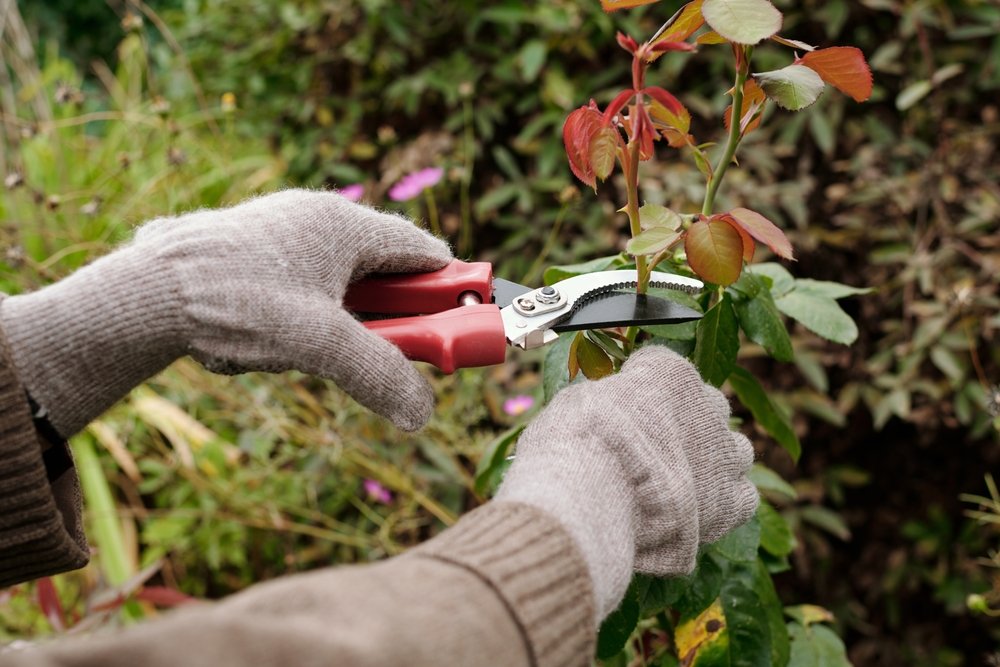
There’s a moment in every growing season when everything looks promising, green, and unstoppable—and then something quietly goes wrong. Not a dramatic pest invasion or a sudden frost, but something far more frustrating because it feels avoidable. Pruning, that seemingly simple act of trimming back growth, holds more power than most realize. Done right, it fuels vibrant plants and heavy harvests. Done wrong, it can sabotage months of effort without any warning signs until it’s too late to fix.
Sharp shears don’t guarantee success, and confidence doesn’t replace timing or technique. Improper pruning can stress plants, disrupt their growth cycles, and even block fruit production entirely. The frustrating part comes from how invisible the damage looks at first, because plants often respond slowly. By the time weak growth, fewer blooms, or disappointing yields show up, the mistake already locked itself in weeks earlier.
When Timing Turns Into Trouble
Pruning at the wrong time doesn’t just slow plants down—it throws their entire rhythm out of sync. Many plants follow specific growth cycles, and cutting them back at the wrong moment interrupts everything from leaf production to flowering. Early pruning can remove developing buds before they ever get the chance to bloom, while late pruning can force plants into a growth phase when they should conserve energy. That mismatch leads to weaker stems, delayed fruiting, and a noticeable drop in overall yield. Fruit trees, especially, react strongly to timing mistakes because their buds form months before harvest season. A poorly timed cut can wipe out a significant portion of future fruit without any visible warning.
Gardeners often assume more trimming equals better growth, but plants don’t operate on guesswork—they rely on predictable seasonal signals. Spring-flowering plants, for example, set buds on old wood, so cutting them back too early erases the entire display before it begins. Summer-fruiting plants, on the other hand, need careful shaping during dormancy to encourage strong production later. Ignoring those distinctions leads to confusion when plants fail to perform. The solution involves learning each plant’s schedule and respecting it, even when everything looks overgrown. A little patience beats aggressive pruning every single time.
Over-Pruning: The Silent Yield Killer
Cutting too much feels productive in the moment, but plants don’t bounce back as quickly as people expect. Every leaf removed takes away a piece of the plant’s ability to photosynthesize, which directly affects energy production. Without enough energy, plants struggle to support fruit development, and that leads to smaller harvests or none at all. Over-pruning also exposes plants to environmental stress, including sunburn on previously shaded areas and increased vulnerability to disease. Instead of encouraging growth, excessive cutting forces plants into survival mode.
Balance matters more than enthusiasm when it comes to pruning. Removing dead or damaged branches helps plants thrive, but stripping away healthy growth creates unnecessary setbacks. Plants need their foliage to regulate temperature, manage moisture, and fuel development. When too much disappears, the plant redirects its energy toward recovery instead of production. The best approach involves stepping back and evaluating what actually needs removal instead of cutting for the sake of tidiness. Strategic pruning supports growth, while aggressive trimming quietly undermines it.
Dirty Tools, Big Problems
Pruning tools might look harmless, but they can spread trouble faster than any pest if they aren’t properly maintained. Dirty blades carry bacteria, fungi, and viruses from one plant to another, turning a simple trim into a full-blown infection risk. Each cut creates an open wound, and contaminated tools introduce harmful pathogens directly into that vulnerable space. The result can include wilting, discolored leaves, and reduced productivity across the entire garden. Even healthy plants can struggle after exposure to unseen contaminants.
Clean tools don’t require complicated routines, but they do demand consistency. A quick wipe with disinfectant between plants dramatically reduces the risk of spreading disease. Sharp blades also play a critical role because clean cuts heal faster and minimize stress. Dull tools crush stems instead of slicing them, which increases damage and creates entry points for infection. Taking a few extra minutes to maintain tools protects every plant in the garden. That small habit often makes the difference between a thriving harvest and a disappointing one.
Cutting Without a Plan Backfires Fast
Random pruning might feel intuitive, but it rarely leads to strong results. Plants grow with structure, and each branch plays a role in supporting overall health and productivity. Cutting without understanding that structure disrupts airflow, light exposure, and growth direction. Poor airflow increases the risk of fungal issues, while uneven light distribution limits photosynthesis in shaded areas. That combination leads to weak growth and inconsistent fruit production.
Intentional pruning shapes plants in a way that encourages strength and balance. Removing crowded branches improves airflow and allows sunlight to reach deeper into the plant. That exposure promotes even growth and supports healthier fruit development. Without a clear plan, pruning can create more problems than it solves, leaving plants struggling to recover. Taking time to observe how a plant grows before making cuts leads to smarter decisions and better long-term results. Thoughtful pruning always beats impulsive trimming.
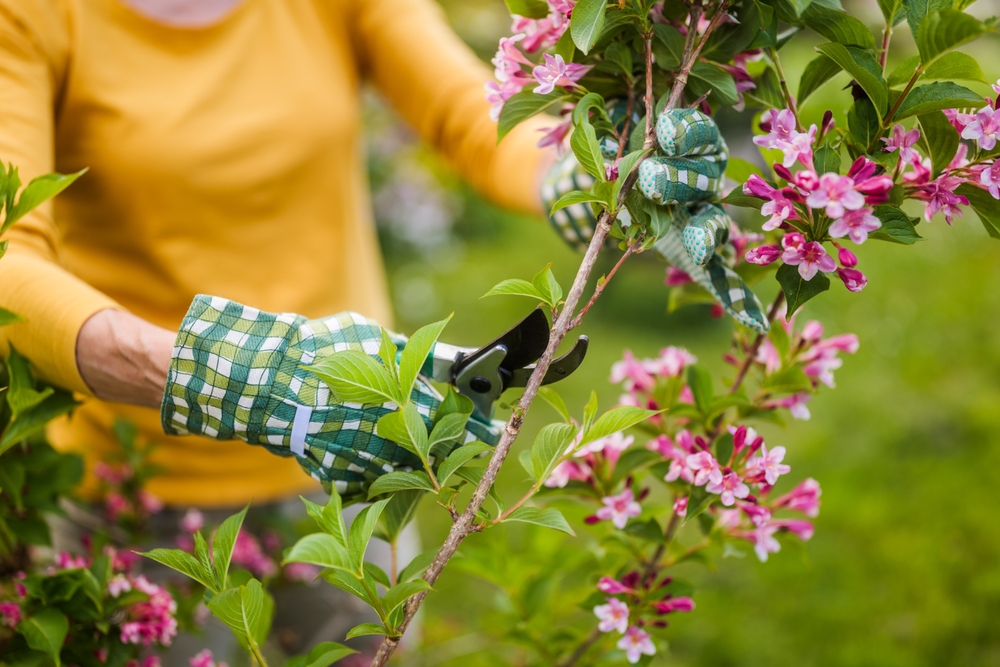
Ignoring Plant-Specific Needs Costs You
Not all plants respond to pruning the same way, and treating them as if they do leads to disappointing outcomes. Some plants thrive with regular trimming, while others require minimal interference to perform well. Fruit-bearing plants, in particular, demand precise care because their productivity depends on how and where growth occurs. Cutting the wrong branches can eliminate fruiting wood entirely, which means no harvest regardless of how healthy the plant looks.
Understanding each plant’s unique needs transforms pruning from a guessing game into a strategic advantage. Tomatoes, for example, benefit from removing certain suckers to focus energy on fruit production, while other plants rely on those same growth points. Shrubs, trees, and vegetables all follow different rules, and ignoring those differences leads to uneven results. A little research goes a long way when it comes to maximizing yield. Matching pruning techniques to specific plants unlocks their full potential instead of limiting it.
Prune Smarter, Harvest Bigger
Pruning doesn’t need to feel complicated, but it absolutely demands intention. Every cut sends a signal to the plant, shaping how it grows, produces, and survives through the season. Thoughtful timing, clean tools, and a clear understanding of each plant’s needs create a foundation for strong, productive growth. Rushing through the process or relying on guesswork often leads to subtle damage that only shows up when harvest time arrives with less to offer.
What strategies have made the biggest difference in your garden, or what pruning lessons have completely changed the way things grow? Share your thoughts and ideas in the comments.
You May Also Like…
March Pruning Mistakes That Reduce Summer Harvests
Why Pruning Too Early Can Kill Your Shrubs Before Spring
Why Fall Pruning Sets Trees Up for Spring Growth
The Root Pruning Hack That Supercharges Growth
The Unexpected Insect That Devours New Leaves Before You Notice Damage

Brandon Marcus is a staff writer for FrugalGardening.com at District Media, Inc., where he delivers practical gardening advice with a relatable, no-nonsense style. An avid amateur gardener, he holds a BA degree and with over ten years of professional writing experience, he is also an award-winning published author whose first book, Questions For Deep Thinkers, was released by Adams Media. His work has appeared in major publications including Fandom.com, CHUD.com, TheColdWire.com, and Fansided.com.
Leave a Reply