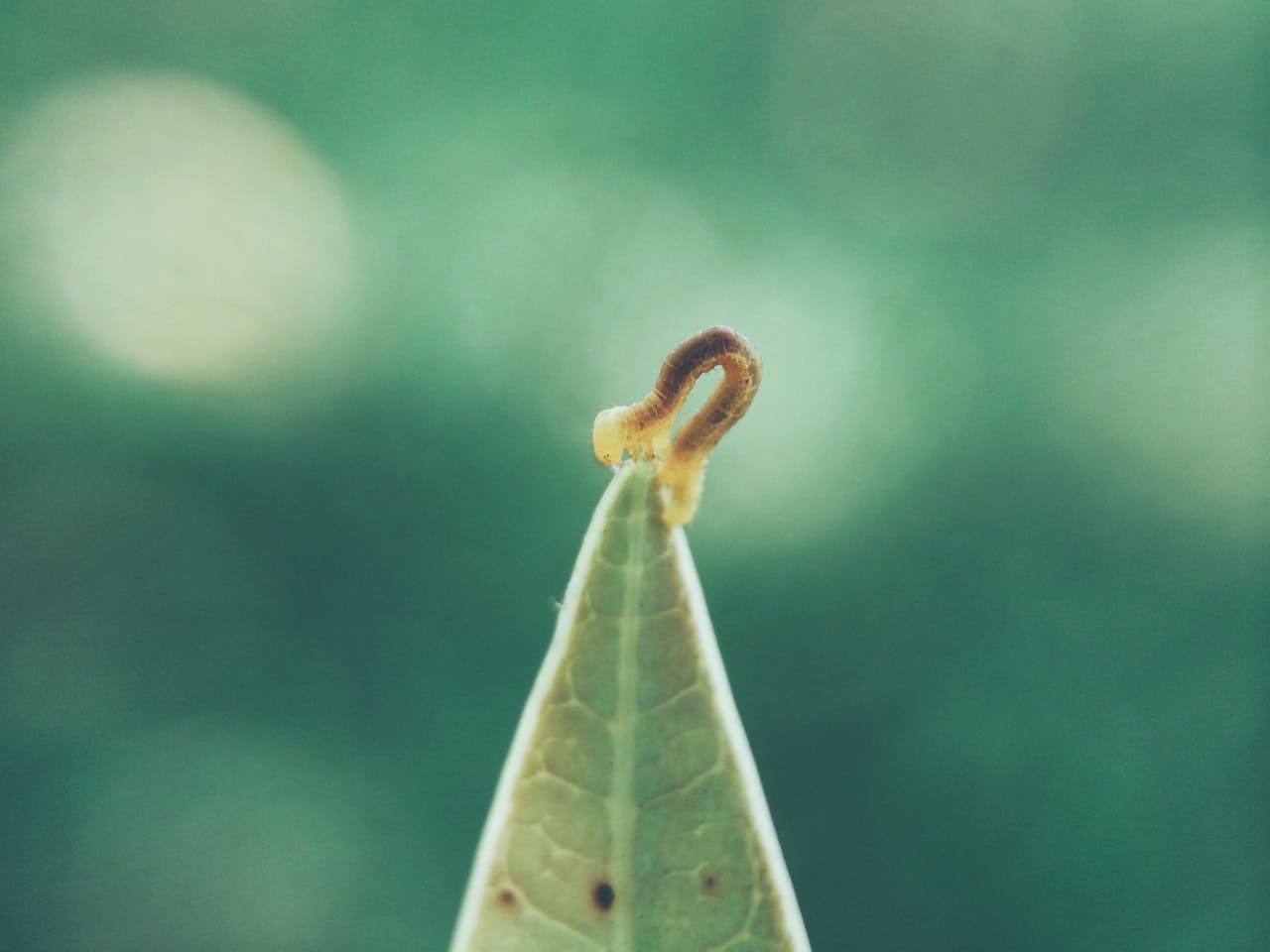
A garden can look perfectly healthy one day and completely lifeless the next, and no dramatic storm or obvious disaster needs to show up for that shift to happen. One tiny, wriggling invader can quietly wreck everything from the roots up, leaving behind soil that looks like it belongs in a coffee filter instead of a thriving ecosystem. This isn’t a horror movie plot or some exaggerated gardening myth. It’s a real and growing problem that continues to spread faster than many people realize.
Jumping worms don’t just hang out in the soil like their more helpful earthworm cousins. They tear through it with a level of speed and destruction that shocks even experienced gardeners. Plants lose their footing, nutrients vanish, and once-rich soil turns into dry, grainy pellets that refuse to hold moisture. That moment when the ground crumbles like used coffee grounds signals a serious problem. Knowing what to look for and how to respond can make the difference between saving a garden and starting over from scratch.
Meet the Jumping Worm: The Garden Wrecker You Never Saw Coming
Jumping worms sound almost harmless at first, but their behavior quickly proves otherwise. These invasive worms thrash wildly when disturbed, almost like tiny snakes, which makes them stand out from the slow, steady movement of regular earthworms. Their color usually leans toward a dark gray or brown, and a smooth, milky-white band encircles their body instead of the raised clitellum seen on common worms. That band wraps all the way around and sits flush with the body, which gives a clear visual clue for identification.
Gardeners often mistake them for beneficial earthworms, which makes the problem worse because they unknowingly protect or even spread them. Unlike traditional worms that enrich soil over time, jumping worms consume organic matter at a rapid pace and leave behind a dry, crumbly waste. That waste doesn’t support plant life the same way healthy soil does, and it actively works against strong root systems. Plants begin to struggle as nutrients disappear faster than they can absorb them.
These worms reproduce without mating, which means a single worm can start a full-blown infestation. Their cocoons survive harsh winters and hatch when conditions improve, which allows populations to explode quickly in spring and summer. Once they establish themselves in an area, removing them becomes extremely difficult. That reality makes early detection one of the most powerful tools available.
Coffee Grounds Soil? That’s Not a Trend—That’s Trouble
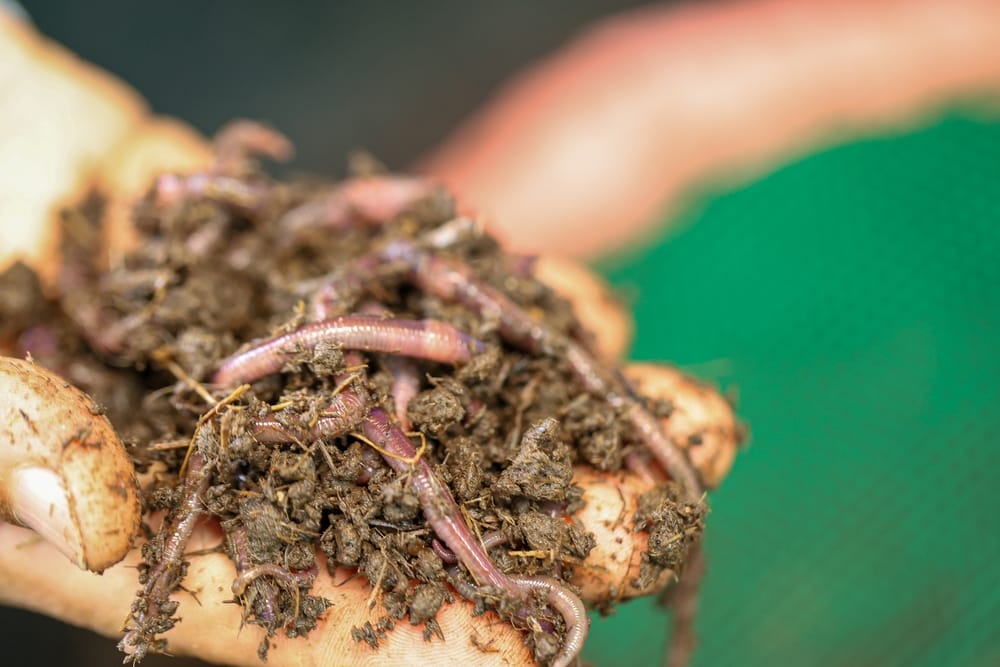
Healthy soil feels rich, slightly moist, and full of life, but jumping worms transform it into something completely different. Their feeding habits break down organic material so aggressively that the soil loses its structure. Instead of holding water and nutrients, it dries out and clumps into granules that resemble coffee grounds. That change doesn’t just look strange; it signals a serious loss of soil health.
Plants rely on stable soil to anchor their roots and access nutrients. When jumping worms invade, roots struggle to grip the loose, crumbly ground, which leads to instability and poor growth. Even well-established plants can suddenly wilt or topple because the soil no longer supports them. Garden beds that once thrived start to look patchy and weak, and new plantings fail to take hold.
Mulch layers also disappear quickly because these worms consume them at an alarming rate. That leaves soil exposed to sun and erosion, which adds another layer of stress for plants. Moisture evaporates faster, and temperature fluctuations become more extreme. All of these factors combine into a frustrating cycle where plants weaken and the soil continues to degrade.
How They Spread Faster Than You Think
Jumping worms don’t need dramatic conditions to move from one place to another. They hitch rides in potted plants, compost, mulch, and even on gardening tools or shoes. A single transfer of contaminated soil can introduce them into a brand-new area. That ease of spread makes them especially difficult to control once they enter a community.
Nurseries and plant swaps sometimes unknowingly distribute contaminated soil, which expands their reach even further. That doesn’t mean gardeners should avoid buying plants, but it does highlight the importance of checking soil carefully. Simple awareness can slow their spread significantly, especially when combined with a few preventative habits.
What To Do Immediately If You Spot Them
Spotting a jumping worm should trigger quick action because waiting allows the population to grow. Start by confirming identification using the physical traits and behavior already described. Once confirmed, remove visible worms by hand and place them in a sealed bag. Freezing or exposing them to direct sunlight inside the bag can help eliminate them safely.
Avoid moving soil from the affected area to other parts of the yard. That includes compost, mulch, and even small amounts stuck to tools. Cleaning equipment thoroughly after working in an infested space helps prevent accidental spread. Isolating the problem area gives a better chance of containing the worms before they take over the entire garden.
Solarization offers another option for treatment. Covering soil with clear plastic during hot weather raises the temperature enough to kill worms and their cocoons. This method requires patience and consistent sunlight, but it can reduce populations significantly. While no single method guarantees complete removal, combining approaches improves the chances of control.
Smart Gardening Moves That Keep Them Away
Prevention plays a huge part in managing jumping worms because eliminating them completely proves difficult. Start by sourcing mulch and compost from trusted suppliers who monitor for invasive species. Homemade compost should heat up properly to kill potential cocoons before use. That extra step can make a big difference over time.
Inspect new plants for pests carefully before introducing them into the garden. Look at the soil, check for unusual texture, and keep new additions isolated for a short period if possible. That habit reduces the risk of bringing in unwanted guests. Even small precautions can protect an entire garden from infestation.
Limit the sharing of soil and compost unless there is confidence that it remains free of jumping worms. Encourage others to stay informed as well, since community awareness helps slow their spread. Gardening thrives on shared knowledge, and this situation proves just how important that knowledge can be.
The Soil Comeback Plan Starts Now
Jumping worms bring chaos, but they don’t get the final say if action happens early and consistently. Paying attention to soil texture, plant health, and unusual worm behavior can catch the problem before it spirals out of control. A strong response combined with smart prevention strategies can protect gardens and restore balance over time. Every small step, from checking new plants to cleaning tools, contributes to a healthier growing space.
Have you ever spotted something strange in your soil or dealt with a pest that completely changed your garden? Share your experience or tips in the comments.
You May Also Like…
Which Plant Pairings Naturally Reduce Pests and Improve Yields
March Garden Pests That Show Up Before You Notice the Damage
March Garden Pests That Hide Underground
12 Of The Worst Garden Pests And How To Get Rid Of Them

Brandon Marcus is a staff writer for FrugalGardening.com at District Media, Inc., where he delivers practical gardening advice with a relatable, no-nonsense style. An avid amateur gardener, he holds a BA degree and with over ten years of professional writing experience, he is also an award-winning published author whose first book, Questions For Deep Thinkers, was released by Adams Media. His work has appeared in major publications including Fandom.com, CHUD.com, TheColdWire.com, and Fansided.com.
Leave a Reply