Why toss perfectly good food when it can come back to life? That stub of green onion, that lonely lettuce core, that garlic clove hanging on for dear life—they are not trash. They are the beginning of another meal, another grocery trip avoided, and another small win for both the wallet and the environment. This is not complicated gardening or some weekend-long project that requires expensive tools. This is simple, practical, and surprisingly satisfying.
The best part? Most of these regrowth tricks require nothing more than water, sunlight, and a little patience. No backyard, no problem. A windowsill works just fine. A jar, a bit of dirt, and some consistency can turn leftovers into fresh ingredients that keep showing up like loyal kitchen companions. Once this process starts, it becomes hard to unsee the potential hiding in everyday scraps.
1. Green Onions That Refuse to Quit
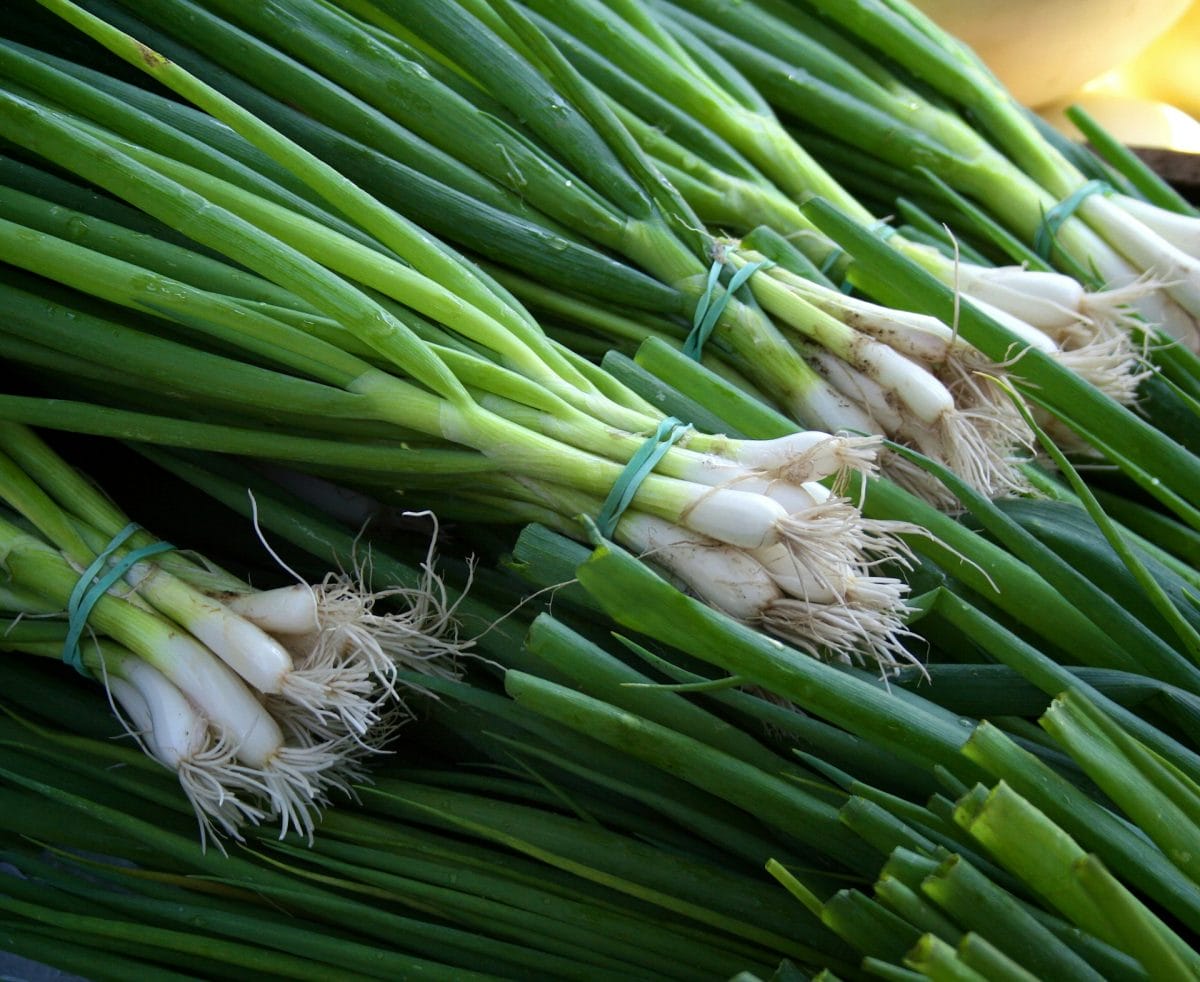
Green onions deliver one of the easiest wins in the regrowing world, and they do not ask for much in return. After slicing off the green tops, the white bulb with roots still attached holds all the power needed for a comeback. Placing that base in a glass of water, with just enough to cover the roots, sparks regrowth almost immediately. Within days, fresh green shoots start pushing upward, and they grow fast enough to feel almost magical.
Keeping the water clean makes a huge difference. Changing it every couple of days prevents bacteria buildup and keeps the roots healthy. Once the shoots reach a good height, trimming what is needed allows the plant to continue producing more. That cycle can repeat several times before the plant slows down. Moving the onions into soil can extend their life even further and lead to stronger, thicker growth.
This simple trick turns one purchase into multiple harvests, which adds up quickly over time. It also ensures a steady supply of fresh flavor without constant trips to the store. Adding these to eggs, soups, or tacos suddenly feels more rewarding when they come straight from a kitchen counter. That sense of control over food feels empowering in a way that store-bought convenience never quite matches.
2. Lettuce That Grows Back From the Core
Romaine lettuce might look like a one-and-done ingredient, but the base tells a different story. That leftover core holds enough energy to sprout new leaves with just a little care. Placing it in a shallow dish with water allows the bottom to stay hydrated while the top remains exposed to air. Within a few days, tiny leaves begin to form right in the center.
Sunlight plays a key role in this process. Setting the container near a bright window helps the plant grow stronger and greener. Rotating it occasionally ensures even growth and prevents leaning. While the regrown lettuce may not form a full head like the original, it produces enough fresh leaves for sandwiches, wraps, and garnishes. That alone makes it worth the effort.
Transferring the plant into soil can boost its growth and extend its life. With proper care, it continues producing leaves for a longer period. This method reduces waste and stretches grocery budgets in a practical way. It also adds a small but meaningful connection to food, turning something ordinary into something interactive and productive.
3. Garlic That Sprouts Into Flavor Power
Garlic often surprises people with its ability to regrow, especially when a clove starts sprouting on its own. Instead of tossing it, planting that clove in soil can lead to an entirely new bulb over time. Positioning it root-side down and giving it sunlight encourages steady growth. Green shoots appear first, and those shoots already pack a mild garlic flavor that works beautifully in cooking.
These shoots, often called garlic greens, can get snipped and used like chives. They add a fresh, subtle kick to dishes without overpowering them. Meanwhile, the plant continues developing underground. With patience, it eventually forms a new bulb that can get harvested and used again. That full-circle moment makes the process feel incredibly rewarding.
Consistency matters here. Watering regularly without overdoing it keeps the plant healthy. Garlic prefers well-drained soil, so avoiding soggy conditions helps prevent rot. This method may take longer than others, but it delivers both short-term and long-term benefits. Fresh greens now and a full bulb later create a double win that feels worth the wait.
4. Celery That Comes Back Crunchy
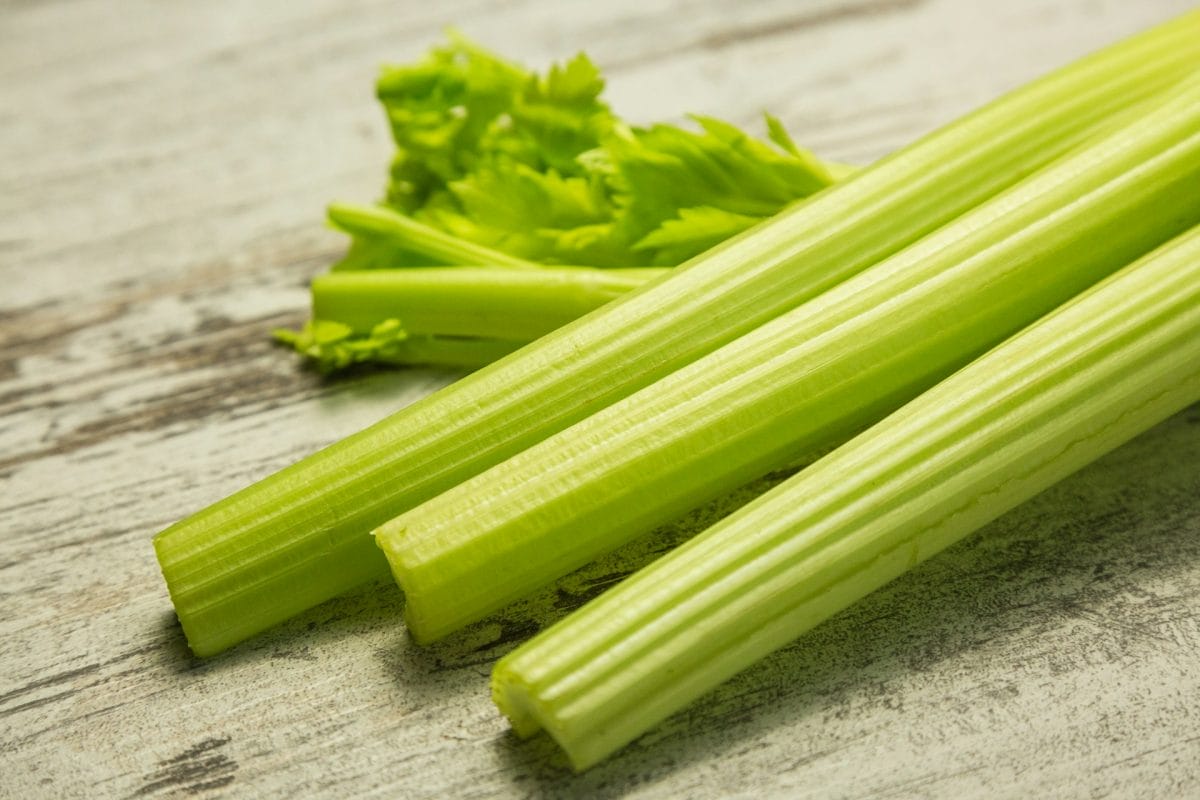
Celery may seem like kitchen filler, but its base hides serious regrowth potential. After cutting off the stalks, the bottom portion can go straight into a shallow bowl of water. Within days, new leaves and shoots start emerging from the center. That quick turnaround makes celery one of the more exciting scraps to regrow.
Sunlight keeps the process moving forward. Placing the bowl in a bright spot encourages stronger growth and better color. Once the plant shows enough development, transferring it into soil helps it continue maturing. Over time, it produces new stalks that can get harvested and used in meals.
The regrown celery may not look identical to store-bought versions, but it still delivers flavor and crunch. Using it in soups, salads, or snacks keeps it practical and useful. This approach reduces waste while adding a steady supply of fresh ingredients. It turns something usually discarded into something genuinely valuable.
5. Potato Eyes That Multiply Fast
Potato often develops small sprouts known as eyes, and those eyes hold the key to regrowth. Cutting a potato into chunks, each with at least one eye, creates multiple planting opportunities. Letting those pieces dry for a day helps prevent rot once planted in soil. After that, planting them a few inches deep sets the stage for new growth.
Potatoes thrive in loose, well-drained soil with plenty of sunlight. Watering consistently without flooding the soil keeps the plants healthy. As the plant grows, adding more soil around the base encourages more tubers to form underground. This process, known as hilling, increases the yield significantly.
Harvesting feels like uncovering hidden treasure. Digging up fresh potatoes that grew from scraps creates a sense of accomplishment that store-bought produce cannot match. This method requires a bit more space and patience, but the payoff makes it worthwhile. Turning one potato into several new ones delivers serious value over time.
6. Carrot Tops That Keep Giving Greens
Carrot does not regrow the root itself, but the top can still produce fresh greens worth using. Placing carrot tops in a shallow dish of water allows them to sprout leafy growth within days. These greens carry a slightly bitter, earthy flavor that works well in salads, pesto, or garnishes.
Sunlight helps the greens grow fuller and more vibrant. Changing the water regularly keeps the tops healthy and prevents mold. While this method does not produce new carrots, it still extends the usefulness of the vegetable. That extra yield adds flavor and reduces waste at the same time.
Planting the tops in soil can encourage even more growth. The greens continue developing and provide a steady supply for various dishes. This approach highlights how even partial regrowth can still deliver value. It shifts the mindset from all-or-nothing to making the most of every ingredient.
7. Pineapple Tops That Turn Tropical
Pineapple brings a bold twist to the regrowing game. The leafy top, often tossed aside, can grow into a new plant with the right care. Twisting it off, removing some lower leaves, and letting it dry for a day prepares it for planting. Once placed in soil, it begins developing roots over time.
This process requires patience, but the visual transformation keeps things interesting. The plant grows slowly, forming a spiky, tropical look that adds character to any space. With enough time and proper care, it can eventually produce a new pineapple. That journey may take a couple of years, but the novelty alone makes it worth trying.
Sunlight and well-drained soil play key roles in success. Watering moderately keeps the plant healthy without causing rot. Even without fruit, the plant itself adds a unique decorative element. It turns a leftover into something long-lasting and surprisingly fun.
From Scraps to Strategy: Turning Waste Into Wins
Saving money and reducing waste does not require extreme changes or complicated systems. These simple regrowth techniques prove that small actions can deliver meaningful results. Each scrap holds potential, and recognizing that potential shifts the entire approach to food. Instead of seeing leftovers as the end, it becomes easy to see them as the beginning of something new.
What scraps have turned into surprising successes in the kitchen? Share favorite regrowing tips, creative ideas, or even experiments that did not go as planned in the comments.
You May Also Like…
How to Turn Kitchen Scraps Into Nutrient-Rich Fertilizer
How to Improve Soil Using Kitchen Waste
These 5 Kitchen Items Are Secretly Contaminating Your Garden Soil
How to Turn Kitchen Scraps Into Nutrient-Rich Fertilizer
How to Use Grocery Scraps to Grow a Second Harvest

Brandon Marcus is a staff writer for FrugalGardening.com at District Media, Inc., where he delivers practical gardening advice with a relatable, no-nonsense style. An avid amateur gardener, he holds a BA degree and with over ten years of professional writing experience, he is also an award-winning published author whose first book, Questions For Deep Thinkers, was released by Adams Media. His work has appeared in major publications including Fandom.com, CHUD.com, TheColdWire.com, and Fansided.com.
Leave a Reply