
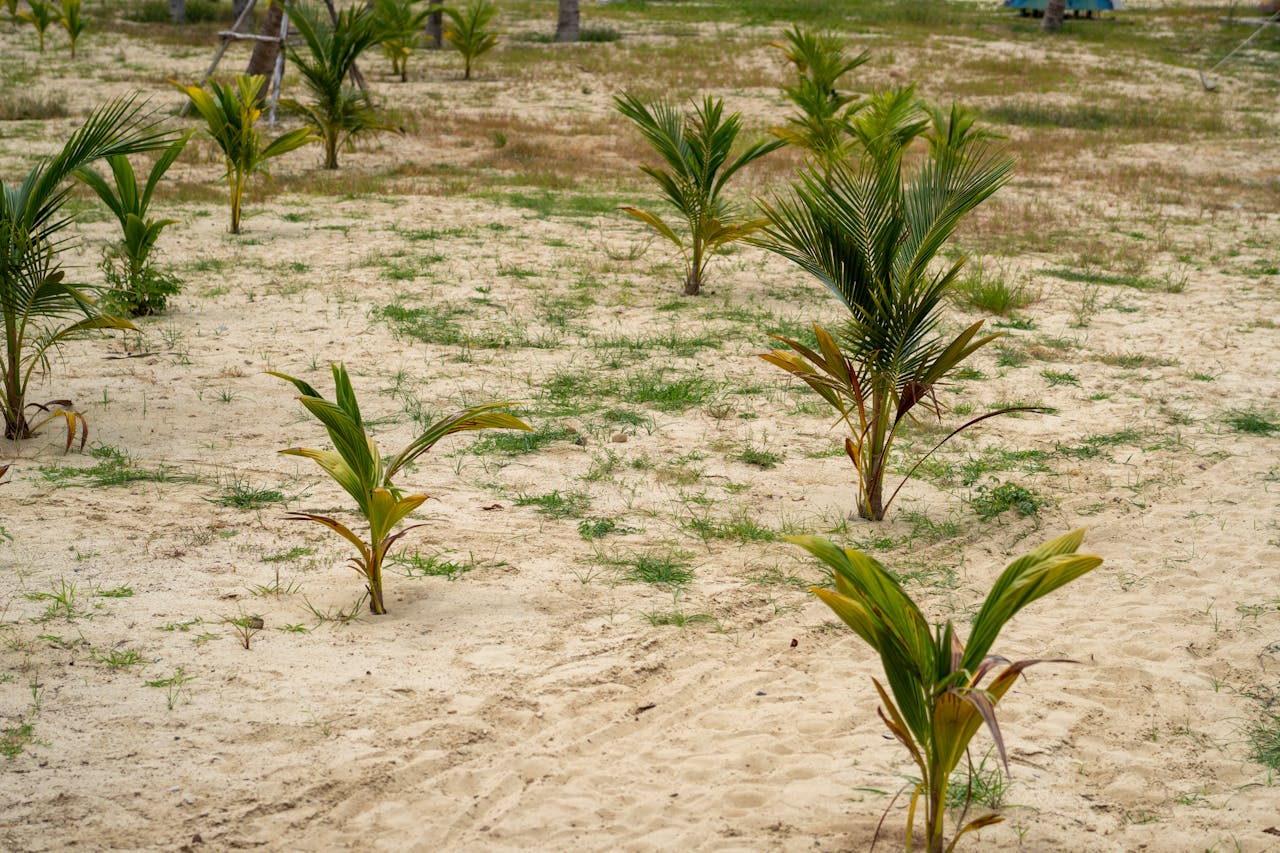
A garden should not feel like a losing battle against gravity and time, yet sandy soil pushes everything in that direction. Water rushes through it, nutrients vanish almost instantly, and plants struggle to hold on like they landed in the wrong universe. Anyone hoping for lush greenery or even a modest harvest quickly realizes that sand does not play fair. It refuses to cooperate unless someone steps in with a strategy that actually works.
The good news brings a surprising twist: sandy soil does not need a total overhaul or years of frustration to behave. A few targeted changes can turn it from a stubborn drain into a supportive growing environment that holds moisture, feeds plants, and resists erosion. The trick lies in choosing fixes that stay put instead of washing away after the next heavy rain.
Turn That Sand Into a Sponge
Sandy soil fails because it cannot hold onto anything for long, so the fastest way to fix it starts with building its ability to retain moisture and nutrients. Organic matter steps in as the real hero here, because it binds loose particles together while creating pockets that trap water instead of letting it escape. Compost leads the charge, especially when it includes a mix of kitchen scraps, yard waste, and well-decomposed materials that break down into rich, dark humus. That humus acts like a sponge, soaking up water and slowly releasing it back to plant roots instead of letting it disappear underground.
Adding compost once does not solve the problem permanently, though, because sandy soil needs consistent feeding to maintain its new structure. A steady rhythm of top-dressing every few months keeps the soil improving instead of slipping back into its old habits. Mulch plays a powerful supporting role, especially when it covers the surface with wood chips, straw, or shredded leaves that reduce evaporation and protect against erosion. Together, compost and mulch create a system that holds water longer, keeps temperatures stable, and prevents nutrients from washing away.
The payoff shows up quickly in how the soil feels and performs, because it starts to look darker, feel softer, and stay moist longer after watering. Plants respond almost immediately with stronger growth and healthier leaves, since they finally get consistent access to what they need. This transformation does not require expensive tools or complicated techniques, just a commitment to feeding the soil instead of fighting it. Once that shift happens, sandy soil begins to work with the garden instead of against it.
Lock It Down With the Right Add-Ins
Some soil amendments sound impressive but disappear too quickly to make a real difference in sandy conditions. The goal here focuses on materials that stay put and actively improve structure over time, rather than washing away at the first sign of rain. Coconut coir offers a strong option because it absorbs water efficiently while resisting breakdown, which gives sandy soil a longer-lasting boost. Peat moss can also improve water retention, although it requires careful use to avoid over-acidifying the soil.
Biochar enters the conversation as one of the most durable and effective solutions available today. This charcoal-like material locks into the soil structure and holds onto nutrients while providing a home for beneficial microbes. Once it integrates into sandy soil, it does not wash away easily, which makes it an excellent long-term investment. Mixing biochar with compost before adding it to the soil amplifies its effectiveness, since it arrives pre-loaded with nutrients instead of pulling them from the surrounding environment.
Clay-based amendments also deserve attention, even though they might sound counterintuitive at first. Small amounts of clay help bind sandy particles together, creating a more balanced texture that retains water without turning into a dense, compact mess. The key lies in moderation, because too much clay can swing the soil too far in the opposite direction. When used carefully alongside organic matter, these add-ins create a stable structure that resists erosion and supports healthy plant growth.
Stop the Washout Before It Starts
Water erosion turns sandy soil into a constant headache, especially in areas that experience heavy rain or strong irrigation flow. Instead of trying to fix the damage after it happens, a smarter approach focuses on slowing water down before it carries soil away. Ground cover plants provide one of the most effective defenses, because their roots anchor the soil while their leaves reduce the impact of raindrops hitting the surface. Low-growing plants like creeping thyme or clover create a living barrier that protects the soil without competing aggressively with larger plants.
Strategic landscaping choices also play a major role in controlling runoff. Slight slopes can direct water gently across the surface instead of letting it rush downhill and strip away nutrients. Raised beds offer another practical solution, especially when filled with improved soil that stays contained and protected from heavy flow. Edging materials such as stones or wood help keep everything in place, adding an extra layer of defense against erosion.
Mulch deserves another mention here, because it acts like a shield that absorbs the force of rain while keeping soil particles from scattering. A thick layer of mulch slows evaporation and keeps moisture where plants need it most, which reduces the need for frequent watering. That combination of protection and efficiency makes mulch one of the simplest yet most powerful tools for stabilizing sandy soil. With the right setup, water becomes an ally instead of an enemy that strips the garden bare.
Feed the Soil, Not Just the Plants
Quick fixes often focus on feeding plants directly, but sandy soil demands a different mindset that prioritizes long-term health over short bursts of growth. Fertilizers alone cannot solve the problem, because they wash through sandy soil too quickly to provide lasting benefits. Slow-release fertilizers offer a better option, since they deliver nutrients gradually and reduce the risk of runoff. Organic fertilizers such as bone meal, fish emulsion, or composted manure integrate more naturally into the soil and support microbial life.
Healthy soil thrives when it hosts a vibrant community of microorganisms that break down organic matter and make nutrients available to plants. Adding compost regularly encourages this ecosystem to grow, which strengthens the soil’s ability to sustain itself over time. Cover crops like legumes can also improve sandy soil by fixing nitrogen and adding organic matter when they decompose. These plants work quietly behind the scenes, building fertility without requiring constant attention.
Watering habits matter just as much as what goes into the soil, because frequent shallow watering encourages roots to stay near the surface where conditions change quickly. Deep, less frequent watering pushes roots to grow deeper, which helps plants access moisture that remains in the soil longer. This approach reduces stress on plants while making the most of every drop of water. When everything works together, the soil begins to support consistent, healthy growth instead of forcing plants to fight for survival.
Soil That Finally Works With You
Sandy soil does not need to stay frustrating, unpredictable, or impossible to manage. A combination of organic matter, smart amendments, erosion control, and thoughtful care can transform it into something surprisingly productive. Each step builds on the last, creating a system that holds water, retains nutrients, and supports strong plant growth without constant intervention. The process requires patience, but it rewards that effort with soil that feels alive and responsive.
What strategies have worked best for improving tough soil conditions, and what unexpected tricks have made a real difference? Share your ideas and experiences in the comments.
You May Also Like…
Low-Cost Ways to Improve Sandy Soil
Tips for Growing Strong Roots in Tight, Compacted Soil
7 Simple Soil Tests You Can Do at Home Without Special Tools
Why Some Seeds Don’t Germinate
Why Spring Transplants Sometimes Fail

Brandon Marcus is a staff writer for FrugalGardening.com at District Media, Inc., where he delivers practical gardening advice with a relatable, no-nonsense style. An avid amateur gardener, he holds a BA degree and with over ten years of professional writing experience, he is also an award-winning published author whose first book, Questions For Deep Thinkers, was released by Adams Media. His work has appeared in major publications including Fandom.com, CHUD.com, TheColdWire.com, and Fansided.com.
Leave a Reply