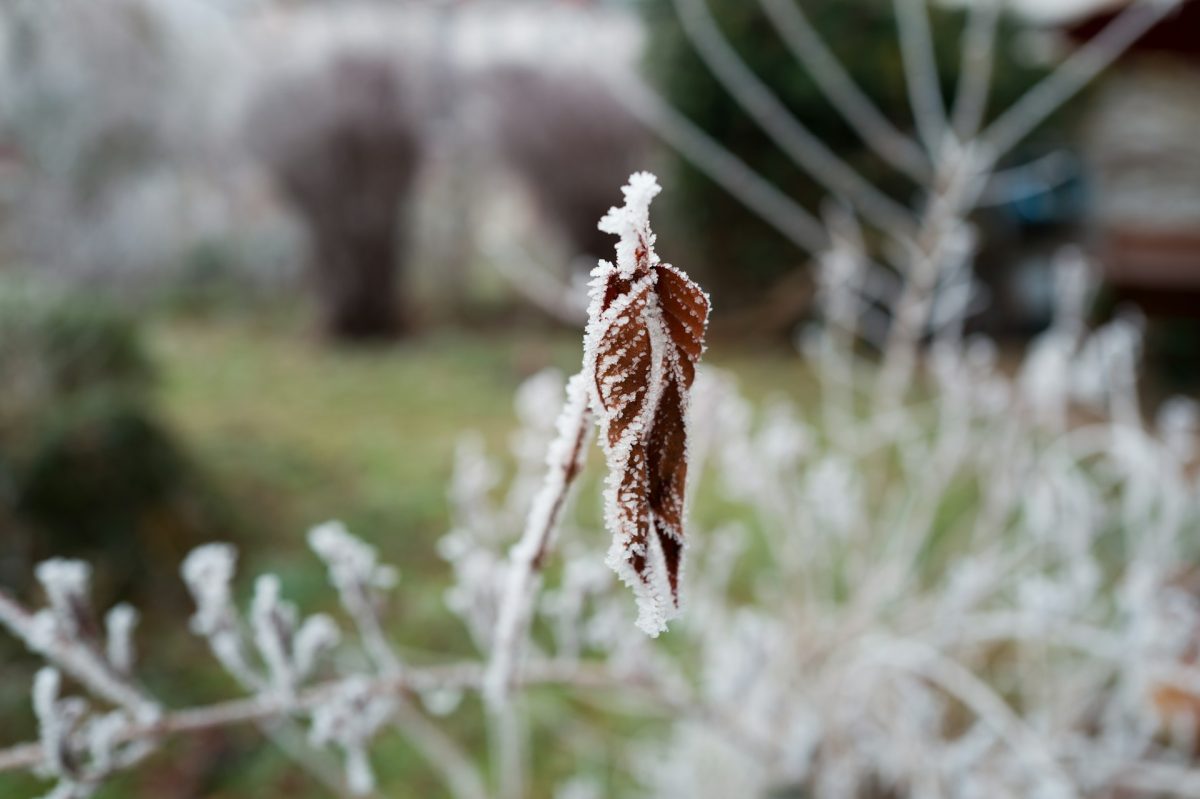
An unexpected cold snap can wipe out weeks of careful planting in a single night, and that reality hits hard when tender greens or young seedlings suddenly face freezing air. Gardeners who stay ahead of the temperature swings gain a serious advantage, and that’s where garden cloches step in as quiet heroes. These simple covers trap warmth, shield delicate leaves, and create tiny pockets of protection that can mean the difference between thriving plants and total loss. The best part? A garden cloche doesn’t require a big budget or complicated tools to work its magic.
Creative DIY cloches turn everyday items into powerful plant protectors, and they bring a surprising amount of personality into the garden at the same time. From upcycled kitchen containers to clever backyard builds, these solutions deliver both function and charm.
1. Mason Jars and Kitchen Containers That Pull Double Duty
Glass mason jars and sturdy kitchen containers offer one of the simplest and most effective ways to shield small plants from cold air. These everyday items trap heat during the day and release it slowly at night, which helps maintain a stable temperature around delicate seedlings. A clear glass jar works best because it allows sunlight to pass through freely while still creating that protective barrier. Gardeners often overlook how powerful this simple setup can be, especially for herbs and young vegetable starts. Placement matters, so positioning jars over plants before sunset ensures that warmth stays locked in as temperatures drop. Removing the covers during the day prevents overheating and keeps airflow healthy, which protects plants from excess moisture buildup.
Plastic containers, such as large yogurt tubs or salad boxes, also work surprisingly well when cleaned and repurposed properly. Cutting the bottom off a container creates a quick cloche that can slide easily over a plant, and leaving the lid slightly open provides ventilation when needed. This approach keeps costs low while reducing waste, which makes it a win on multiple levels. Transparent containers outperform opaque ones because plants still need light to grow, even in colder weather. A thoughtful gardener rotates and adjusts these covers depending on the daily forecast, ensuring that plants receive enough air and light without exposure to frost. This small routine quickly becomes second nature and adds a satisfying rhythm to garden care.
2. Plastic Bottles Turned Into Plant Armor
Empty plastic bottles rarely look exciting, but they transform into powerful plant protectors with just a few quick cuts. A standard two-liter bottle creates a nearly perfect mini greenhouse when the bottom gets removed and the cap stays adjustable for airflow. This setup allows gardeners to fine-tune ventilation while still locking in warmth during chilly nights. The curved shape of the bottle naturally directs condensation downward, which helps keep leaves dry and reduces the risk of disease. Plants like lettuce, spinach, and small peppers benefit greatly from this type of protection, especially during unpredictable early spring weather.
Cutting multiple bottles and placing them across a garden bed creates a uniform, almost futuristic look that adds visual interest while serving a practical purpose. This method works particularly well for rows of seedlings, where consistency helps maintain even growing conditions. Anchoring the bottles slightly into the soil prevents them from tipping over during windy conditions, which often accompany cold fronts. Gardeners who want extra insulation sometimes add a thin layer of mulch around the base of each bottle to trap additional heat. This combination of recycled materials and smart placement delivers a surprisingly strong defense against frost. It also proves that effective gardening solutions often hide in plain sight.
3. Wire Frames and Fabric Covers for Flexible Protection
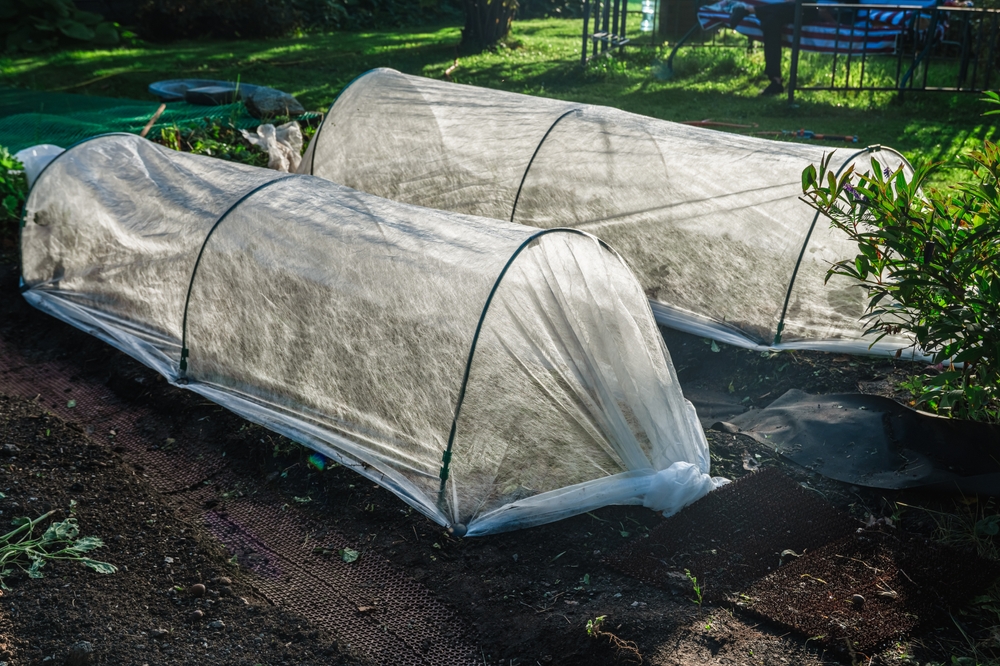
Wire frames paired with breathable fabric create a more adaptable cloche system that works for larger plants or entire garden rows. A simple wire hoop, bent into shape and anchored into the soil, forms the backbone of this design. Draping frost cloth, burlap, or even lightweight blankets over the frame creates a protective tunnel that shields plants from cold air and wind. Unlike solid covers, fabric allows some airflow while still retaining enough warmth to protect against light frost. This balance helps prevent the humidity issues that sometimes occur with fully enclosed cloches.
This setup shines when temperatures fluctuate frequently because it allows quick adjustments throughout the day. Lifting the fabric during warmer hours prevents overheating, and securing it again before nightfall keeps plants safe. Gardeners often use clips or clothespins to attach the fabric securely, which makes the system easy to manage without specialized tools. Adding a second layer of fabric during particularly cold nights boosts insulation without requiring a complete redesign.
4. Buckets, Bins, and Big Covers for Serious Cold Snaps
When temperatures drop sharply, larger covers like buckets and storage bins step in as heavy-duty protectors. These options work well for medium-sized plants that need more room than a jar or bottle can provide. Flipping a bucket over a plant creates an instant shield against frost, and adding a small weight on top keeps it from blowing away. Opaque buckets block light, so timing becomes crucial—placing them over plants in the evening and removing them in the morning keeps everything balanced. This method works especially well for short-term cold protection during sudden weather changes.
Storage bins offer even more space and can cover multiple plants at once, which makes them ideal for garden beds with closely spaced crops. Cutting small ventilation holes near the top helps regulate temperature while still maintaining a protective environment. Gardeners sometimes line the inside of these bins with reflective material to bounce heat back toward the plants, which enhances their effectiveness. Pairing this setup with mulch or straw around the base of plants adds another layer of insulation.
5. Cold Frames and Mini Greenhouses Without the Price Tag
For those ready to step things up, DIY cold frames deliver a more permanent and robust solution for cold protection. A basic cold frame uses a wooden box with a transparent lid, often made from an old window or clear plastic sheet. This structure captures sunlight during the day and traps warmth inside, creating a stable microclimate that supports plant growth even in colder conditions. Positioning the frame to face the sun maximizes its effectiveness and ensures consistent heat retention. Gardeners often place cold frames over garden beds or use them to harden off seedlings before transplanting.
Building a cold frame from reclaimed materials keeps costs low while adding a sense of craftsmanship to the garden. Hinged lids allow easy access for watering and ventilation, which helps maintain the right balance of temperature and humidity. Adding insulation along the sides, such as straw bales or soil mounds, improves performance during colder months. This setup supports a wider range of plants compared to smaller cloches, including leafy greens and root vegetables. It also extends the growing season significantly, which makes it a valuable addition to any garden. A well-built cold frame becomes more than just a tool—it becomes a reliable partner in year-round gardening.
A Garden That Refuses to Freeze
Cold weather doesn’t have to shut down a garden or limit what grows successfully, and these DIY cloche ideas prove that creativity can outsmart the elements. Each method offers a unique balance of simplicity, cost, and effectiveness, which allows gardeners to mix and match based on their needs. A jar might protect a single herb, while a cold frame can support an entire bed, and both play equally important roles. Smart timing, proper ventilation, and a willingness to experiment turn these simple tools into powerful allies. The garden transforms into a dynamic space that adapts to changing weather instead of struggling against it.
Which of these DIY cloche ideas feels like the perfect fit for the next cold snap, and what creative twist might make it even better? Share thoughts, strategies, or clever hacks in the comments.
You May Also Like…
6 DIY Trellis Designs That Support Plants Without Breaking Your Budget
How to Protect Seedlings From Cold Nights Without Buying Covers
Low-Cost Ways to Protect Seedlings From March Cold Snaps
This Common Cold Snap Hack Is Suffocating Seedlings — Experts Warn Gardeners to Stop
These Potted Fruit Trees Are Failing in Cold Weather — Experts Explain Why

Brandon Marcus is a staff writer for FrugalGardening.com at District Media, Inc., where he delivers practical gardening advice with a relatable, no-nonsense style. An avid amateur gardener, he holds a BA degree and with over ten years of professional writing experience, he is also an award-winning published author whose first book, Questions For Deep Thinkers, was released by Adams Media. His work has appeared in major publications including Fandom.com, CHUD.com, TheColdWire.com, and Fansided.com.
Leave a Reply