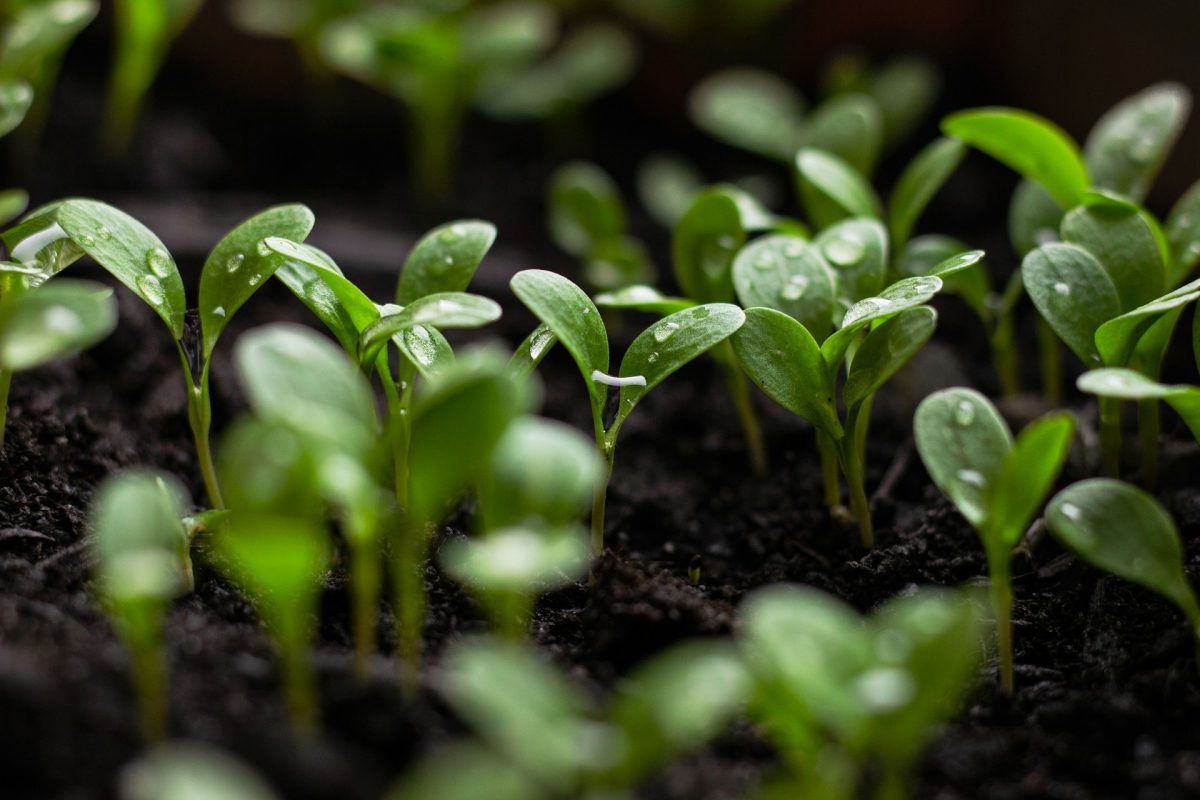
There’s a moment in every gardener’s life that feels equal parts terrifying and exhilarating: it’s the moment you stare down a tray of seedlings and realize they’re multiplying faster than expected. Tiny green shoots, delicate stems, and leaves smaller than a fingernail suddenly demand attention. It’s not just about nurturing life—it’s about making a choice that will shape the strength, size, and yield of your plants. Those crowded little sprouts might look cute, but when they compete for light, nutrients, and air, even the heartiest seedling can suffer. The clock is ticking, and knowing exactly when to thin can mean the difference between a garden that thrives and one that limps along.
Thinning seedlings isn’t just a chore—it’s a superpower for any gardener who wants robust, healthy plants. Done at the right moment, it can transform a packed tray into a nursery of champions. You aren’t just cutting a stem here or there; you’re orchestrating an environment where each surviving seedling gets enough space to grow roots strong enough to support luscious leaves, vibrant flowers, or hefty vegetables. It’s a mix of timing, observation, and a touch of courage.
Timing Is Everything: Spot the Sweet Spot
The golden rule of thinning seedlings is simple: wait until the seedlings have at least two sets of true leaves. These are the leaves that appear after the initial seed leaves (cotyledons) and indicate that the plant is strong enough to survive a little pruning. If you thin too early, the plants might be too fragile to handle the disturbance, and if you wait too long, overcrowding will stunt growth and create competition for light, water, and nutrients. Timing isn’t just a guideline—it’s a science. Watch the growth rate carefully. Fast-growing seedlings, like lettuce or radishes, need attention sooner, whereas slower growers, such as tomatoes or peppers, benefit from a slightly longer wait to develop sturdier stems.
Spacing plays a big role in timing as well. Each species has a recommended distance for optimal growth. For example, carrots thrive with 2 to 3 inches between plants, while kale needs closer to 6 to 8 inches. When seedlings are too close, they’ll twist and reach toward light, creating weak, spindly stems that are more prone to disease. By thinning at just the right moment, you can give each plant breathing room to develop a robust root system. This isn’t a rigid step-by-step—observe, measure, and act when the seedlings look crowded and ready.
Tools of the Trade: Make Thinning Easy
You don’t need a full toolbox, but a few simple tools make thinning seedlings safer and more effective. A pair of sharp scissors, tweezers, or even fingernails can help remove overcrowded seedlings without damaging the roots of the survivors. Using scissors instead of pulling ensures that the remaining plants’ roots aren’t disturbed, which is critical for maintaining growth momentum. If seedlings are extremely small, thinning by snipping at the base is gentler and prevents accidental uprooting.
Container choice matters too. Seedlings in trays or small pots need a delicate touch, while those in larger beds can tolerate a bit more aggressive thinning. Finger spacing is a quick reference, but measuring helps prevent mistakes. Always consider hygiene: clean tools prevent disease transfer, and some gardeners even dip scissors in rubbing alcohol before trimming. Pairing proper tools with timing precision can make thinning feel less like a chore and more like sculpting a miniature garden masterpiece.
Pulling vs. Snipping: The Debate
Gardeners often debate whether it’s better to pull seedlings out or snip them at the soil line. Both methods work, but each has advantages depending on the situation. Pulling is quick and works well for slightly larger seedlings that can handle a gentle tug. Snipping works best for delicate or tightly packed sprouts and ensures that roots of nearby plants stay intact. Mistakes happen, but learning to observe the root structure before acting prevents accidental damage.
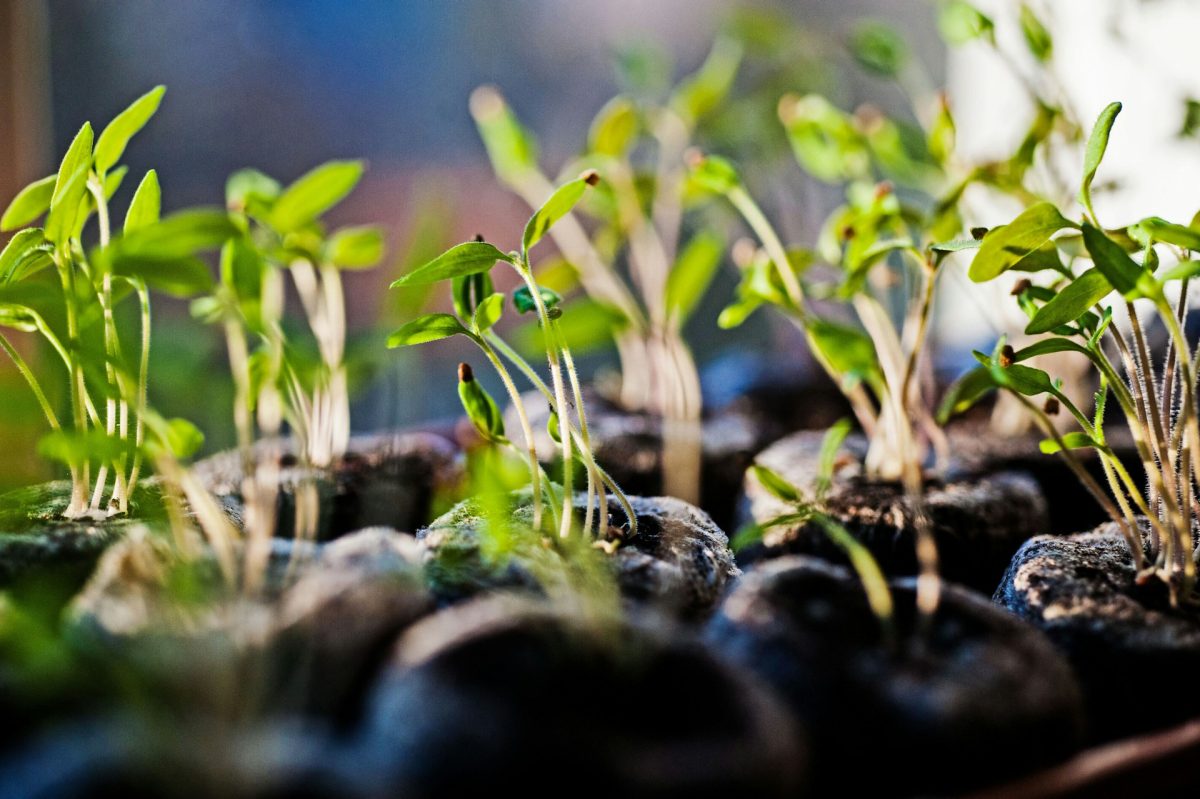
The goal is always to protect the strongest seedlings while removing weaker ones. Often, gardeners make the mistake of leaving the tallest seedlings thinking they are the healthiest. In reality, the tallest often grew that way because of competition—they stretched to reach light, resulting in weaker stems. Choose the healthiest, most well-balanced seedlings instead: short, stocky, and evenly green. This ensures every remaining plant has the foundation to thrive.
Nutrients and Growth: Thinning’s Hidden Bonus
Thinning isn’t just about space—it directly affects nutrient distribution. Overcrowded seedlings compete for water, minerals, and sunlight, which can stunt growth or cause uneven development. By thinning at the right moment, each remaining plant gains access to more resources, translating into faster, healthier growth. For vegetable gardens, this means bigger, juicier harvests. For flowers, it means sturdier stems and more abundant blooms. The effect is both immediate and long-term, giving plants the breathing room they need to thrive.
Nurturing the soil is crucial too. Even after thinning, seedlings need consistent water, appropriate light, and occasional fertilization. When done right, thinning enhances the efficacy of these efforts, ensuring nutrients reach the plants that can make the most of them. Think of it as pruning for productivity: every seedling that survives gets a stronger chance to reach its full potential.
Common Mistakes to Avoid
Even experienced gardeners stumble when thinning seedlings. A common mistake is removing too many plants at once, which can shock the remaining seedlings. Another is thinning too early or too late, both of which hinder development. Overcrowding also encourages fungal diseases like damping-off, which thrives in humid, tight spaces. Vigilance and careful observation are key.
Another pitfall is treating all seedlings equally. Some species tolerate tighter spacing than others. Leafy greens, for example, can grow closer together than root vegetables. Planning ahead, understanding your plants’ requirements, and adjusting thinning techniques accordingly keeps your seedlings healthy and productive. Avoid guesswork—measure, observe, and trim deliberately.
Give Them Space, Watch Them Flourish
Thinning seedlings isn’t just a gardening task—it’s a growth strategy. Knowing when to thin, how to do it, and why it matters gives plants room to breathe, access to nutrients, and the foundation for strong, healthy development. Each carefully removed seedling strengthens the ones left behind, creating a vibrant, productive garden that rewards attention, timing, and care.
How do you decide when to thin your seedlings, and what strategies do you use to help them thrive? Share your thoughts, stories, or techniques in the comments.
You May Also Like…
5 DIY Bird Deterrents That Protect Seeds and Seedlings
Why Some Seeds Never Germinate and How to Improve Your Success Rate
9 Seed Spacing Mistakes That Kill Crops Before They Mature
Smart March Garden Moves for Budget-Minded Growers
How to Stop Birds From Digging Up Seeds

Brandon Marcus is a staff writer for FrugalGardening.com at District Media, Inc., where he delivers practical gardening advice with a relatable, no-nonsense style. An avid amateur gardener, he holds a BA degree and with over ten years of professional writing experience, he is also an award-winning published author whose first book, Questions For Deep Thinkers, was released by Adams Media. His work has appeared in major publications including Fandom.com, CHUD.com, TheColdWire.com, and Fansided.com.
Leave a Reply